
Copa Brasil de Águas Abertas — Guaratuba
- Nov 21 – 22, 2026
- Distances from 1.5km to 4km
At a glance
- Next edition date
- November 21 – 22, 2026
- Distances
- 1.5 km · 2.5 km · 4 km
- Where
- Sea · Guaratuba, Paraná, Brazil
- Entry fee
- 193 BRL
- Wetsuit
- Follows FINA/CBDA open water rules regarding water temperature and wetsuit usage.
- Registration
- cbda.org.br
About the race
Between the headlands of Morro de Caieiras and Morro do Cristo, a 2.4-kilometer ocean arc opens onto the coast of Paraná. This curved expanse of shoreline sets the stage for the Copa Brasil de Águas Abertas — Guaratuba, an open-water sea swimming race held in Guaratuba and organized by the CBDA - Confederação Brasileira de Desportos Aquáticos. The event brings swimmers to the Atlantic Ocean in November, offering three separate distances of 1,500 meters, 2,500 meters, and 4,000 meters along the broad ocean waterfront. The open-water course is laid out along the curved ocean shoreline of Praia Central, flanked by the two natural headlands that define the bay's edge. While Praia Central serves as the town's lively main hub and is popular for kitesurfing due to its open and breezy waterfront, the sea during competition mornings typically runs calm and hospitable for distance swimming.
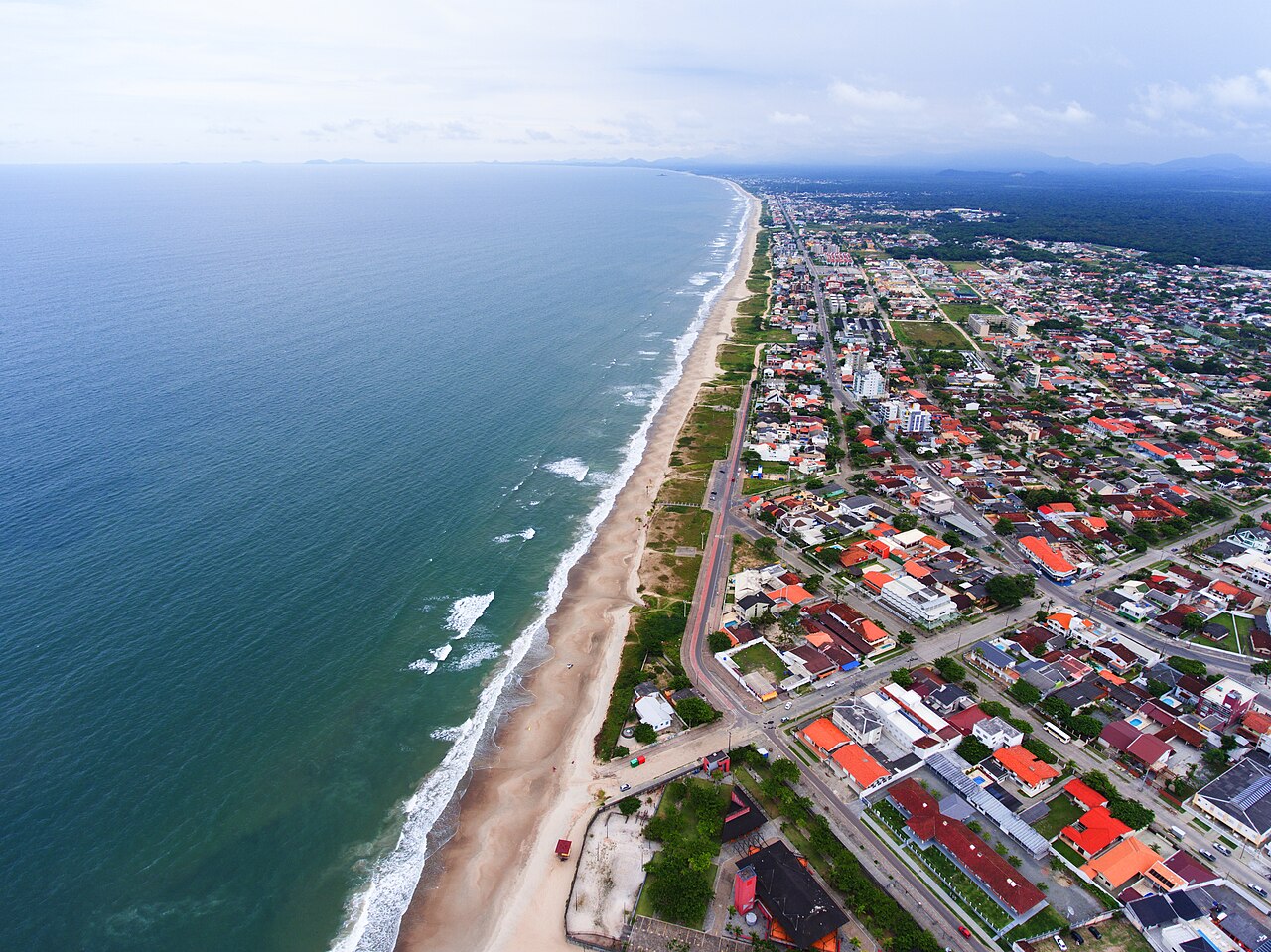
The sheltered coastal contour smooths out the surface chop, creating steady conditions where sighting the turn markers remains straightforward throughout the laps. Swimmers navigating the course find water conditions remarkably similar to the coastal bays of neighboring Santa Catarina. The gentle swell allows athletes to settle into a clean, rhythmic stroke across the middle stretches of the bay without having to fight heavy surf. Throughout every heat, a dedicated safety perimeter supports the fleet, with lifeguards, spotters in kayaks, and firefighter water rescue craft patrolling alongside the buoys to assist anyone who needs guidance or rest.
The Guaratuba sea crossing: a local swim tradition since 1987
Separate from the Copa Brasil, Guaratuba has a traditional sea crossing that has been held since 1987. The crossing returned in January 2023 after a break of 12 years, with a record number of entries and about 300 community athletes plus 50 firefighters. The start was in front of the Hotel Caieiras Vila Real. Swimmers from 12 to 80 years old raced in three events, over 1500 m, 750 m and 400 m. Water scooters, rescue boats, kayaks and stand-up paddleboards were on hand for the swimmers. The course was measured by GPS.
Guaratuba Bay: where coastal waters meet the peninsula
The city of Guaratuba occupies a distinctive sandy peninsular plain, wedged between the open Atlantic Ocean on one side and the calm waters of Guaratuba Bay on the other. Artificial containment walls have been built along vulnerable sections of the shore to stabilize the peninsular coastline against the constant movement of tides and sand. Behind this urban spit stretches the second largest bay in the state of Paraná, a vast estuarine body that cuts deeply into the coastal lowlands. Inside the bay, the open maritime landscape yields to a labyrinth of quiet channels and protected islands, including Ilha do Capim and Ilha da Sepultura. These interior waters are fringed by extensive mangrove ecosystems that thrive where salt water mingles with incoming river currents.
For decades, traversing this wide watery gap was a slow journey: starting in the 1960s, a dedicated ferry-boat service was the exclusive way for vehicles and travelers to cross Guaratuba Bay. That historic ferry era came to an end with the inauguration of the Guaratuba Bridge, an engineering link measuring 1,244 meters in length that now spans the mouth of the bay.
Sambaquis and early routes across Paraná
Long before modern swimmers raced along the coastal crescent, prehistoric populations inhabited the edges of Guaratuba Bay. The surrounding shoreline preserves 131 identified archaeological sites known as sambaquis. These massive shell mounds were built by ancient coastal societies, consisting of deep layers of mollusk shells, crustacean remains, and discarded fish bones. They stand as physical records of early human reliance on the rich marine resources that still characterize the regional waters. During the era of colonial exploration, this coastal geography offered a strategic gateway into the southern interior. The historical trail known as the Caminho do Ambrósios traversed this coastal strip, serving as an important route for early Iberian settlers to enter and explore the rugged territory of Paraná. Guaratuba was officially founded as a settlement in 1770, growing slowly along the sheltered edge of the bay.
The mangroves and birdlife of Guaratuba Bay
The bay area is historically known for its population of guarás, the striking red-plumaged birds that once gathered in large numbers. To protect these fragile wetland environments, regional authorities established Boguaçu State Park in 1998, situated about nine kilometers from the race beach. Covering 6,052 hectares in the municipality of Guaratuba, the park forms an integral part of the wider Lagamar mosaic of conservation units and lies inside the broader Guaratuba Environmental Protection Area. This extensive wetland corridor shelters an exceptional variety of wildlife, with bird surveys documenting 322 distinct avian species across the marshes, mangroves, and coastal plains. Among them are ten species threatened with extinction, as well as the elusive marsh antwren, a specialized marsh-dwelling bird discovered within the protected area in 1995. The coastal wetlands and surrounding bays also provide vital habitat for migratory wildlife, offering a seasonal resting ground for traveling swallows, loons, and tortoises.
Morro do Cristo and the Guaratuba seafront
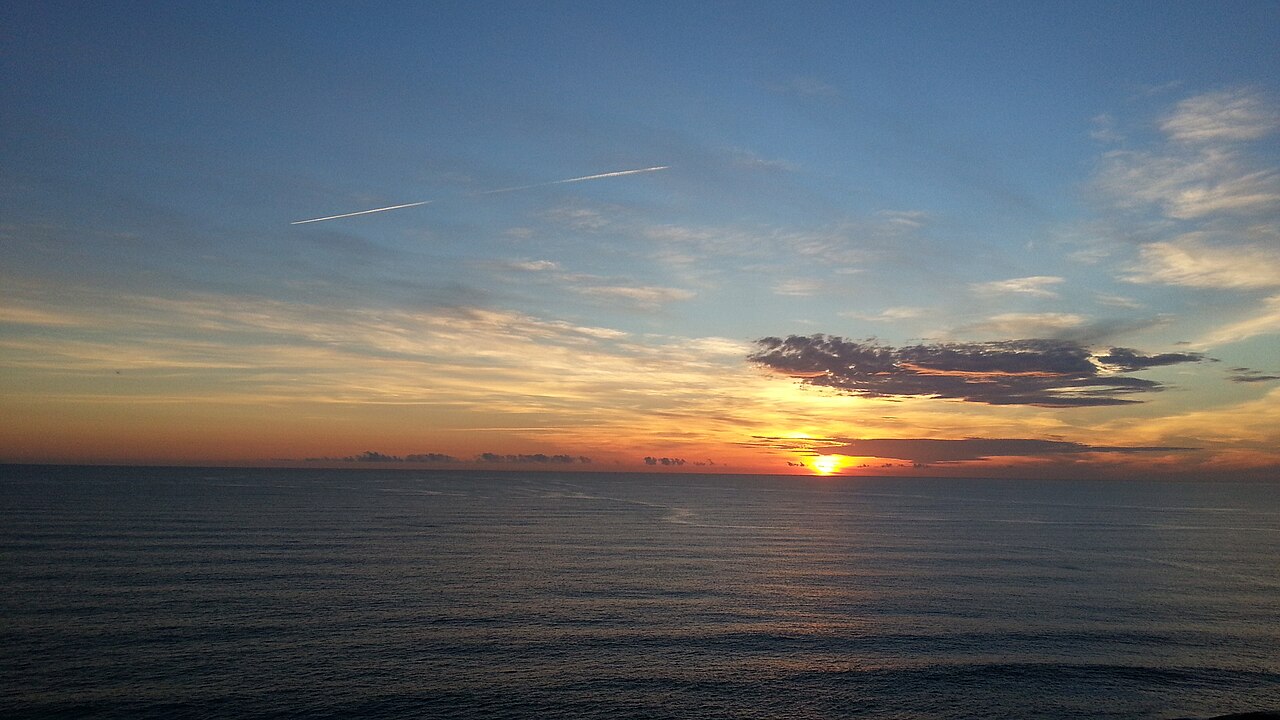
The Christ the Redeemer statue stands atop Morro do Brejatuba, commonly called Morro do Cristo. This coastal hilltop anchors the southern end of the race beach, functioning as a panoramic natural lookout point that offers views across the entrance of Guaratuba Bay. To the north, the headland of Morro de Caieiras rises above the surf to complete the natural amphitheater that cradles the competition waters. Guaratuba unfolds across twenty-two kilometers of beaches, retaining the relaxed rhythm and bucolic atmosphere of its origins as a traditional fishing colony. In the late afternoon, swimmers and supporters make their way to the historic waterfront along the inner bay, a favored local vantage point for watching the sunset over the still waters.
The bay is famous for its oyster beds, and along the Caminho das Ostras, waterfront stalls and small eateries serve freshly harvested shellfish against a backdrop of distant coastal peaks. Those looking to spend quiet time off the race course can travel by boat to Praia das Caieiras, a secluded stretch of sand tucked beneath the northern headland that preserves an authentic fishing village atmosphere.
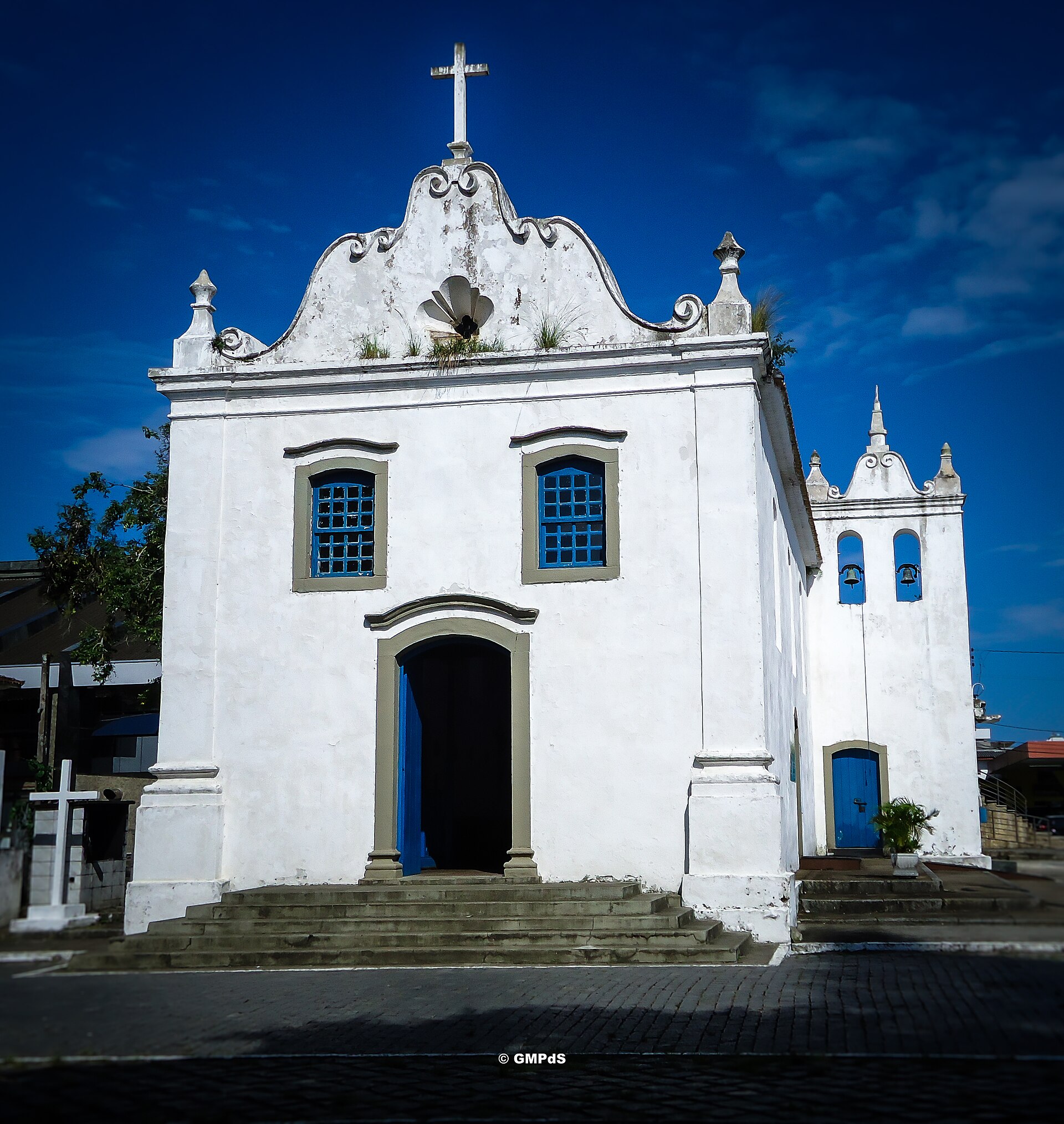
Sources: Guaratuba Environmental Protection Area · Guaratuba · Baía de Guaratuba · Igreja Matriz de Nossa Senhora do Bom Sucesso · Guaratuba Bridge · Saint-Hilaire/Lange National Park
Course
Awards
- Age group awards
- Master/Elite separated
- Wetsuit/No-wetsuit separated
Awards follow standard CBDA championship protocols for age categories.
How to get there
Copa Brasil de Águas Abertas — Guaratuba
Frequently asked questions
- When is Copa Brasil de Águas Abertas — Guaratuba?
- Copa Brasil de Águas Abertas — Guaratuba takes place on November 21 – 22, 2026.
- What distances does Copa Brasil de Águas Abertas — Guaratuba offer?
- Copa Brasil de Águas Abertas — Guaratuba offers 1.5 km, 2.5 km, and 4 km.
- How much is the entry fee for Copa Brasil de Águas Abertas — Guaratuba?
- The entry fee is 193 BRL. Standard fee for federated athletes according to the CBDA Fee Regulations (affiliated athletes: 491 BRL)
- Is a wetsuit required at Copa Brasil de Águas Abertas — Guaratuba?
- Follows FINA/CBDA open water rules regarding water temperature and wetsuit usage.
- Where does Copa Brasil de Águas Abertas — Guaratuba take place?
- Copa Brasil de Águas Abertas — Guaratuba is a sea swim. Location: Guaratuba, Paraná, Brazil.
- How do I register for Copa Brasil de Águas Abertas — Guaratuba?
- The reference page for registering for Copa Brasil de Águas Abertas — Guaratuba is https://www.cbda.org.br/aguas-abertas.
Where to stay
Guaratuba offers a range of options from simple seaside guesthouses and family-run pousadas to beachfront apartments. The city maintains a mix of traditional fishing-village architecture and modern summer rentals. During the November race period, expect to find double-occupancy rooms ranging from $50 to $120 per night, depending on proximity to the central beach area. Booking ahead is recommended as the city is a popular destination for regional events.
Things to do nearby
Beyond the race, the region is defined by its deep environmental protection areas. Visitors can explore the mangroves by kayak to spot the endemic birdlife or take a trekking route through the Atlantic Forest trails. The local culture is best experienced through the fresh seafood markets, where traditional fishing techniques are still practiced. Archaeological enthusiasts can visit the local museums dedicated to the coastal sambaqui civilizations, while SUP tours are available around the calmer reaches of the bay and the nearby islands.
Swimmers
Similar races


Comments
Transparency: some links on this page (stays, flights, experiences, gear) are affiliate links — if you book or buy through them, Omniathlon may earn a commission from the partner at no extra cost to you. As an Amazon Associate we earn from qualifying purchases.