
Copa Laguna de Paca
- Jun 13, 2026
- Last edition date
- Distances from 1.5km to 6km
At a glance
- Last edition date
- June 13, 2026
- Distances
- 1.5 km · 3 km · 6 km
- Where
- Lake · Laguna de Paca, Jauja, Junín, Peru
- Registration
- qorirun.com
About the race
At 3,418 metres above sea level in the Peruvian Andes, diving into Laguna de Paca tests swimmers against the crisp, oxygen-thin mountain air and clear spring-fed waters. Copa Laguna de Paca is an open water swimming race held in the freshwater lake of Laguna de Paca, located just outside Jauja in the Junín department of Peru. Entering these mountain shallows brings an immediate jolt of Andean chill across the vast surface. Swimmers take their starting marks along the shore, looking out across an open expanse where physical endurance meets high-altitude resilience. The event offers three separate courses suited to different ambitions: a 1,500-metre sprint, a 3,000-metre mid-distance swim, and an arduous 6,000-metre test of pacing.
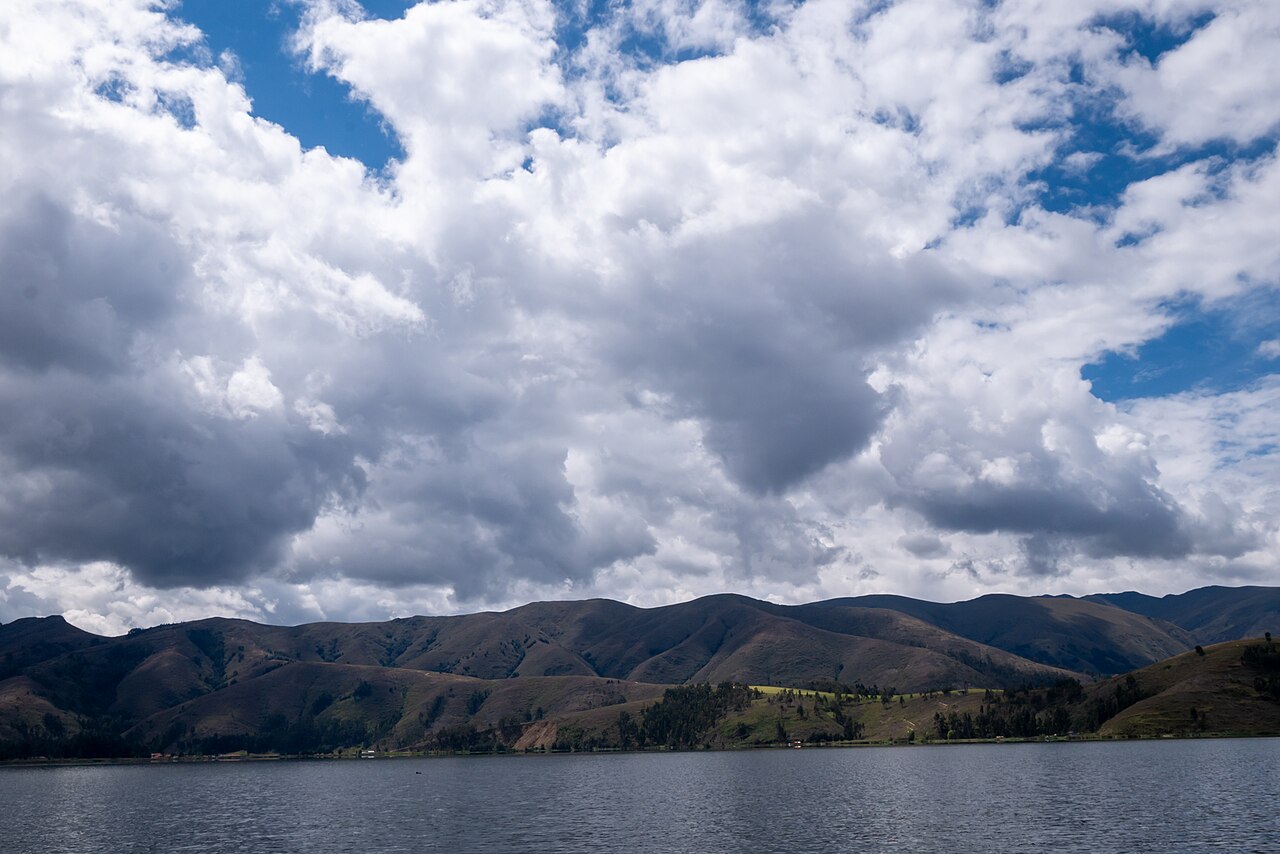
Organised by Club Aqua Sport alongside Running4Peru, the gathering takes place in June, when the highland weather presents conditions for open water competition. Every swimmer who powers through the high-altitude circuit and crosses the shoreline arch receives a finisher medal, while category winners and top three podium finishers earn individual awards alongside trophies presented to the leading three clubs. For those travelling to Peru from the Pacific coast, this highland challenge can be paired on the same trip with the Miraflores Swim Open Water 2026, organized by the same club in Miraflores just seven days earlier. Moving from the open sea swell of the capital to the still, rarefied atmosphere of the Andes offers one of the most striking contrasts in South American open water swimming.
Age groups, the first edition and the lake's edge
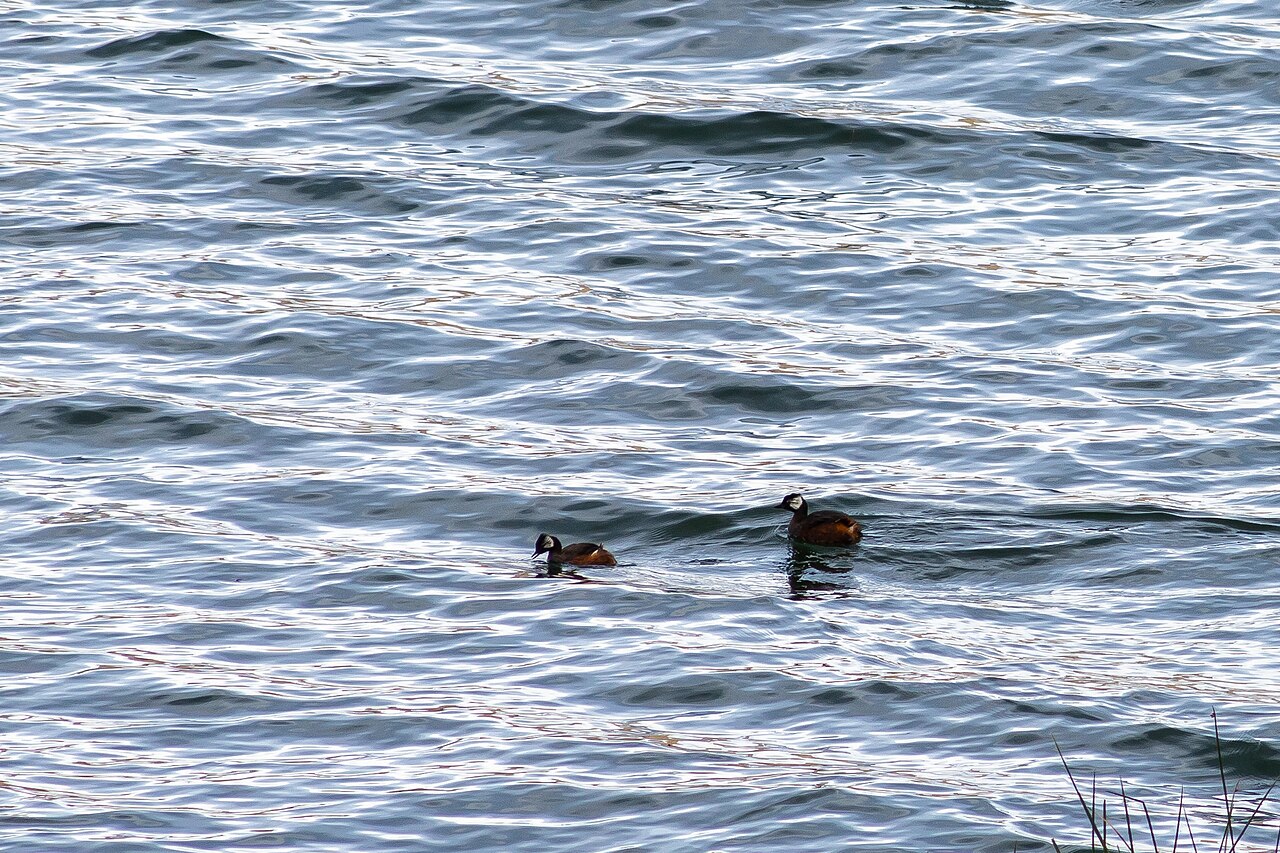
In the 1.5 km and 3 km swims of the Copa Laguna de Paca, the promotional categories cover ages 12 to 15 and 16 to 19, followed by masters in ten-year bands from 20 to 29 years upward. The 6 km swim of the Copa Laguna de Paca has masters categories only, in ten-year bands starting from 20 to 29 years. The first Copa Laguna de Paca, announced in 2014, had two distances: 1,500 and 3,000 metres. For that first Copa Laguna de Paca the organisers announced kayak escorts, medical assistance and a duly marked route. Ahead of that first edition on Laguna de Paca, the water temperature was given as 18 °C (64 °F). On Laguna de Paca, floating mats of rushes and sedges cover the south side of the lake.
The spring-fed waters of Laguna de Paca and the Mantaro basin
Located 4 kilometres north of Jauja, Laguna de Paca spans an impressive surface area of 21.4 square kilometres. Beyond the lake perimeter, the regional waters feed into the expansive drainage network of the Mantaro River, which flows past Jauja across an alluvial plain. The river is fed along its path by tributary streams including the Paca, Masma, and Yanamarca. In the surrounding Mantaro Valley, about twenty-six kilometres away from the race area, the river cuts through dramatic geography, emerging from a steep rocky gorge at the northern rim before plunging into another narrow canyon at the southern end. Military history also touches this river system: about seven kilometres away at Huaripampa, Chilean military forces made an amphibious crossing of the Mantaro River in mid-April 1882. Today, the river and its highland tributaries create a fertile corridor bordered by tranquil mountain banks.
Huanca stone ruins and the Inca heritage along the shore
The shores of Laguna de Paca preserve tangible relics of ancient civilizations that settled the Andean highlands centuries before modern trails were marked. Scattered close to the water stand circular stone buildings and architectural ruins left behind by the pre-Inca Huanca and Xauxa cultures. Local folklore remains deeply intertwined with the water and the silhouette of the mountains surrounding the basin. According to a local legend passed down through generations, an ancient soldier plunged into Laguna de Paca captivated by a mermaid, and the shape of his sleeping body can still be traced along the crest of the surrounding mountain range. The valley also bears the monumental footprint of the Inca Empire.
About twenty-six kilometres away along the winding path of the Mantaro River, Inca builders erected 2,573 stone storage silos, with roughly half of them organized into 48 separate storehouse compounds. These archaeological landmarks emphasize how critical this waterway and its surrounding plains were for highland trade and sustenance throughout ancient Andean history.
The dry Andean climate and the peaks of Huaytapallana
The valley around Jauja experiences a dry climate, with bright sun and powerful mountain winds that blow across the landscape between August and October. In June, the event takes place before the onset of the gustiest season. The lake elevation of 3,418 metres demands disciplined pacing and focused breathing, as the cool water and thin mountain air test lung capacity with every stroke. About twenty-six kilometres away, the towering peak of Nevado Huaytapallana provides an essential water reservoir for the whole drainage system feeding the Mantaro River. While the mountain holds noticeably less glacial ice today compared to thirty years ago, its snowmelt remains a vital lifeline for the surrounding highland ecosystems.
The wider Junín region is defined by remarkable mountain lagoons that showcase the diverse hydrology of the central Andes. When rains are heaviest, Laguna Tragadero accumulates up to 9 million cubic metres of water, regulated by a natural underground sinkhole whose final subterranean exit remains undiscovered. Local authorities carry out periodic cleanings of this Millpun sinkhole to control the water volume and protect nearby settlements from flooding. Fed by two natural springs located 500 metres and 1,000 metres away, Laguna Ñahuinpuquio's waters display a striking greenish-blue hue caused by resident algae, flanked by thick belts of totora reeds. Ñahuinpuquio hosts exotic trout, native ducks, and occasional morning swans that appear through the mist, alongside floating mats of woven vegetation known as pulichampa capable of supporting the weight of walking humans.
Further across the Junín highlands lie remote alpine waters, including Mancacocha, positioned east of Llacsacocha, southwest of Chalhuacocha lake, and south of mountain Chalhuacocha. Mancacocha connects directly to Lake Chaquipaque, situated at the base of Mount Chaquipaque. High in the Paryaqaqa or Waruchiri mountain range sits Putkaqucha, alongside a smaller western lake sharing the same name.
Sources: Jauja · Lake Paca · Laguna Tragadero · Laguna Ñahuinpuquio · Mantaro Valley · Mancacocha · Putkaqucha (Yauli)
Course
Open water swimming race at Laguna de Paca, Jauja (Junín, Peru). Planned distances: 1.5K, 3K, and 6K. Categories available: with fins and without fins. Staggered starts beginning at 9:30 AM.
Useful info
Registration open from March 12 to June 5 via bank deposit (BCP/BBVA) or Yape/Plin and completion of the online form. Age-based categories (from 12 years old and up). Medals for all finishers and for the top 3 in each category. Age calculated as of December 31, 2026.
How to get there
Jauja Airport (JAU) is 5km away. Flights from Lima (LATAM). Alternatively, bus from Lima (8-9 hours). To reach the race site: local taxis or mototaxis from the center of Jauja. Parking available at Laguna de Paca. Paved roads until the entrance, followed by packed dirt.
Copa Laguna de Paca
Frequently asked questions
- When was the last edition of Copa Laguna de Paca?
- The last edition of Copa Laguna de Paca took place on June 13, 2026.
- What distances does Copa Laguna de Paca offer?
- Copa Laguna de Paca offers 1.5 km, 3 km, and 6 km.
- Where does Copa Laguna de Paca take place?
- Copa Laguna de Paca is a lake swim. Location: Laguna de Paca, Jauja, Junín, Peru.
- How do I register for Copa Laguna de Paca?
- The reference page for registering for Copa Laguna de Paca is https://qorirun.com/evento/copa-laguna-de-paca-2026-15k-3k-6k-jauja.
Where to stay
Jauja offers modest, authentic lodging options ranging from traditional guest houses in the historic center to simple lakeside lodges. Travelers can secure rooms in family-run inns or converted colonial-era homes, with rates typically falling between $30 and $70 per night for a double room. For those preferring proximity to the water, small hostels near the shore provide basic amenities suitable for athletes, though booking in advance is advised during the race weekend.
Things to do nearby
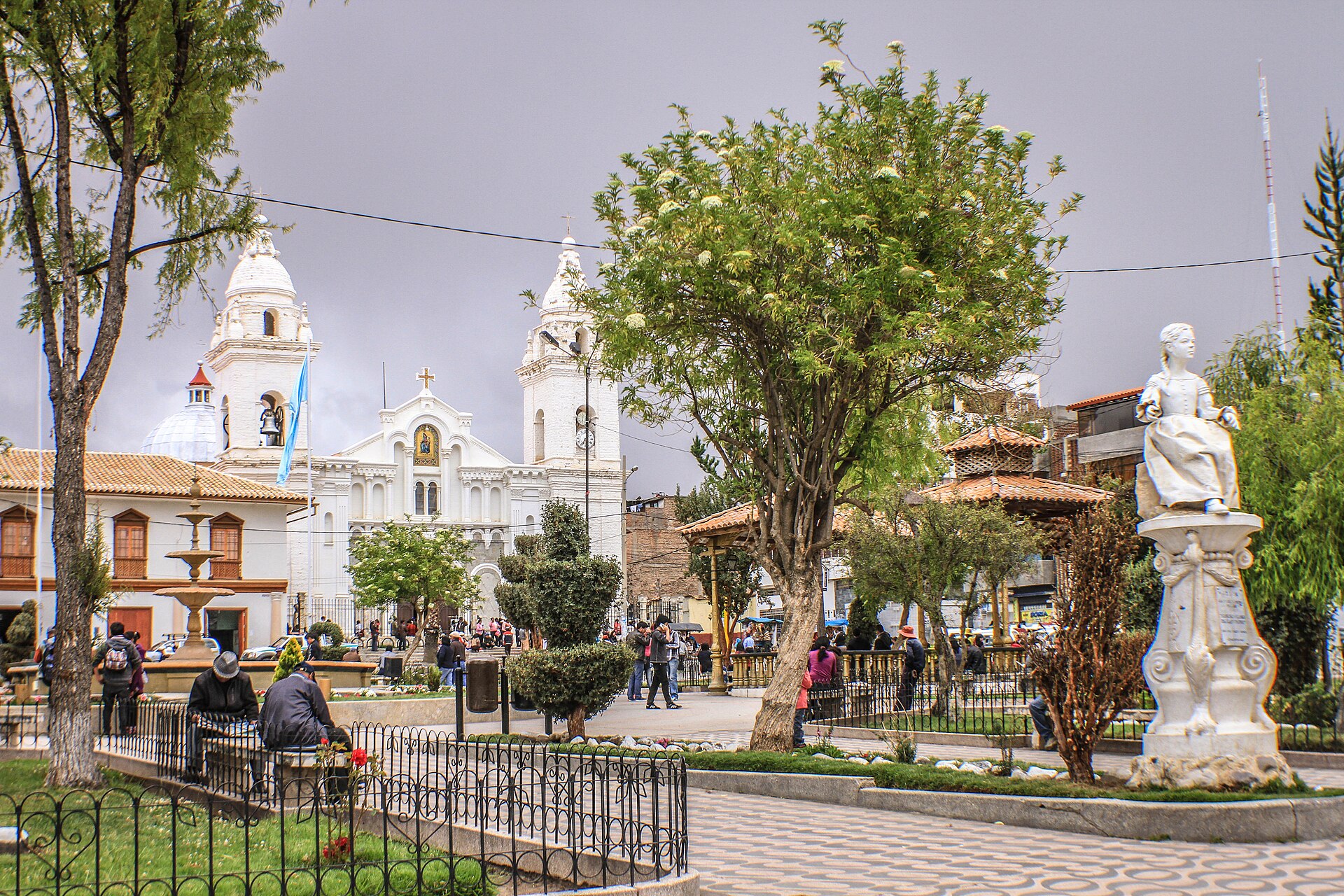
The Jauja region invites exploration beyond the lake. Visitors often prioritize walking tours of the historic colonial center to see the gothic architecture, or trekking the high-altitude trails of the Mantaro Valley. Gastronomy enthusiasts can sample local Andean dishes in town, while the proximity to natural hot springs offers a recovery method favored by locals. The area is also known for traditional craft markets and historical site visits that detail the region’s role during the Viceroyalty era.
Swimmers
What to see around
1. Laguna de Paca (water sports and relaxation), 2. Tunanmarca archaeological site (historical trekking), 3. Santa Rosa de Ocopa Convent (colonial architecture), 4. Mantaro Valley (local gastronomy and crafts), 5. Mirador de la Capilla (panoramic view of the valley).
Other races by this organiser
- Miraflores Swim Open Water 2026Miraflores, PE
- SwimTrail San Marino PiscoPisco, PE
Similar races



Comments
Transparency: some links on this page (stays, flights, experiences, gear) are affiliate links — if you book or buy through them, Omniathlon may earn a commission from the partner at no extra cost to you. As an Amazon Associate we earn from qualifying purchases.