
Swimming NSW Open Water Classic
- Nov 21, 2026
- Distance: 2.5km
At a glance
- Next edition date
- November 21, 2026
- Distances
- 2.5 km
- Where
- Lake · Sydney International Regatta Centre, Penrith, New South Wales, Australia
About the race
A purpose-built Olympic racing basin is dead flat and completely sheltered from ocean swells. The Swimming NSW Open Water Classic is an open water swimming event hosted in this freshwater lake at the Sydney International Regatta Centre in western New South Wales, Australia. Constructed as a competition venue for the Sydney 2000 Olympic Games, the regatta centre offers a glassy, sheltered arena for the 2.5-kilometre swim, isolated entirely from breaking waves, ocean swell, shifting tidal currents, and marine life. Swimmers on the 2,500-metre course encounter late-spring water temperatures that typically hover between 20°C (68 °F) and 22°C (72 °F), creating ideal conditions for both wetsuit users and skin swimmers. With no cross-currents to pull you off line, you can focus purely on finding an uninterrupted stroke rhythm and sighting straight down the course.
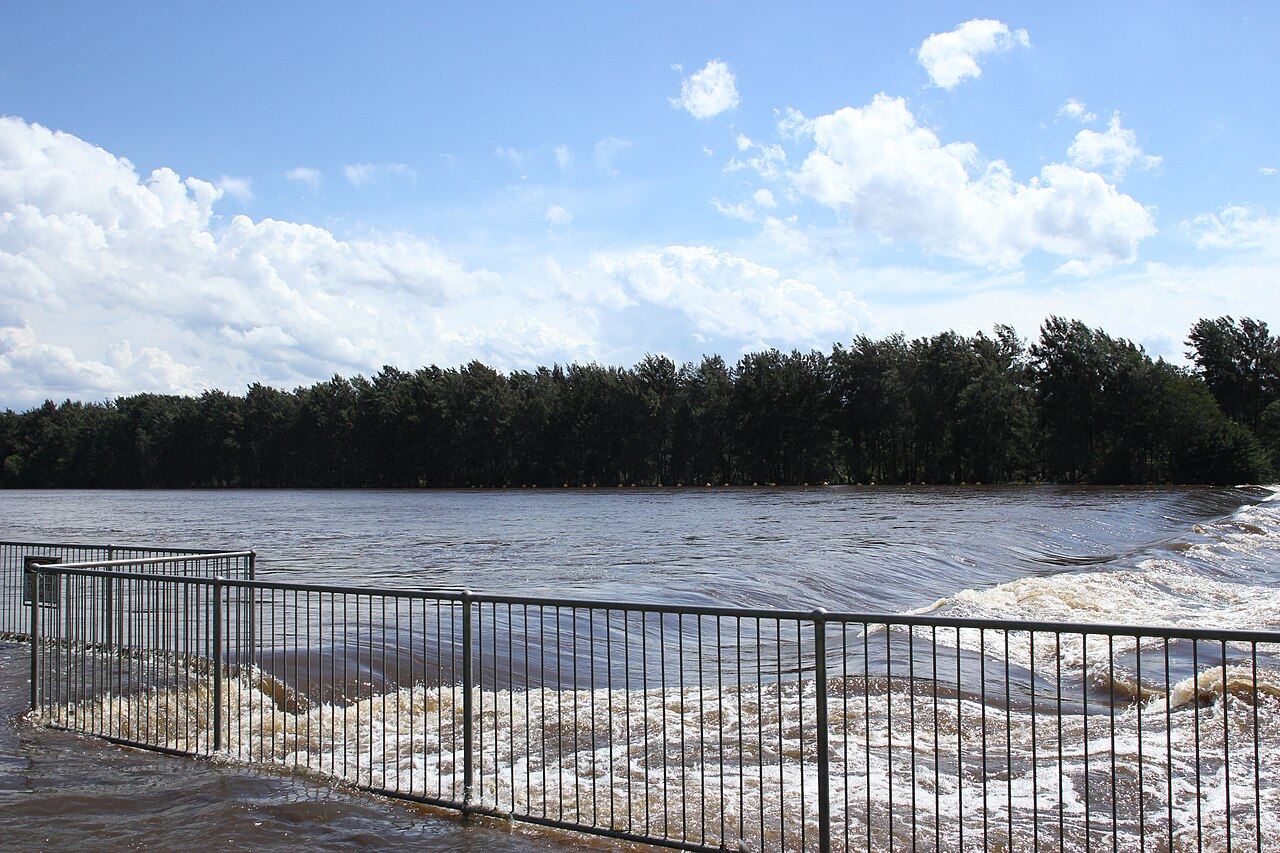
The event often takes place alongside elite competition during the NSW State Open Water Championships, filling the venue with an energetic atmosphere where spectators can cheer from the main grandstand or walk right beside the action along the shoreline. Organized by Swimming NSW as part of the SNSW Open Water Classic Series, the competition lake is ringed by a continuous five-kilometre paved loop track popular with cyclists and runners.
Penrith Lakes: from industrial gravel quarries to an engineered aquatic ecosystem
The tranquil water body where swimmers compete was once part of Australia's largest sand and gravel quarrying operation. Spanning twelve massive excavated basins across Penrith Lakes, industrial mining reshaped this flood plain from the 1880s until commercial extraction finally ended in 2015. Rather than leaving derelict gravel pits behind, engineers transformed the vast industrial site into a sophisticated chain of recreational lakes. The lakes are fed entirely by fresh rainwater and underground aquifers rather than the Nepean River. The purpose-built racing lake measures 170 metres across with an average depth of five metres, engineered with shoreline revetments along the banks to control erosion and disperse boat and swimmer wakes. More than 50,000 native water plants, including dense meadows of ribbon-weed, were planted across the lakebed to sustain a balanced aquatic habitat, keeping the water clean enough to meet primary contact swimming standards 95 percent of the time since 1996.
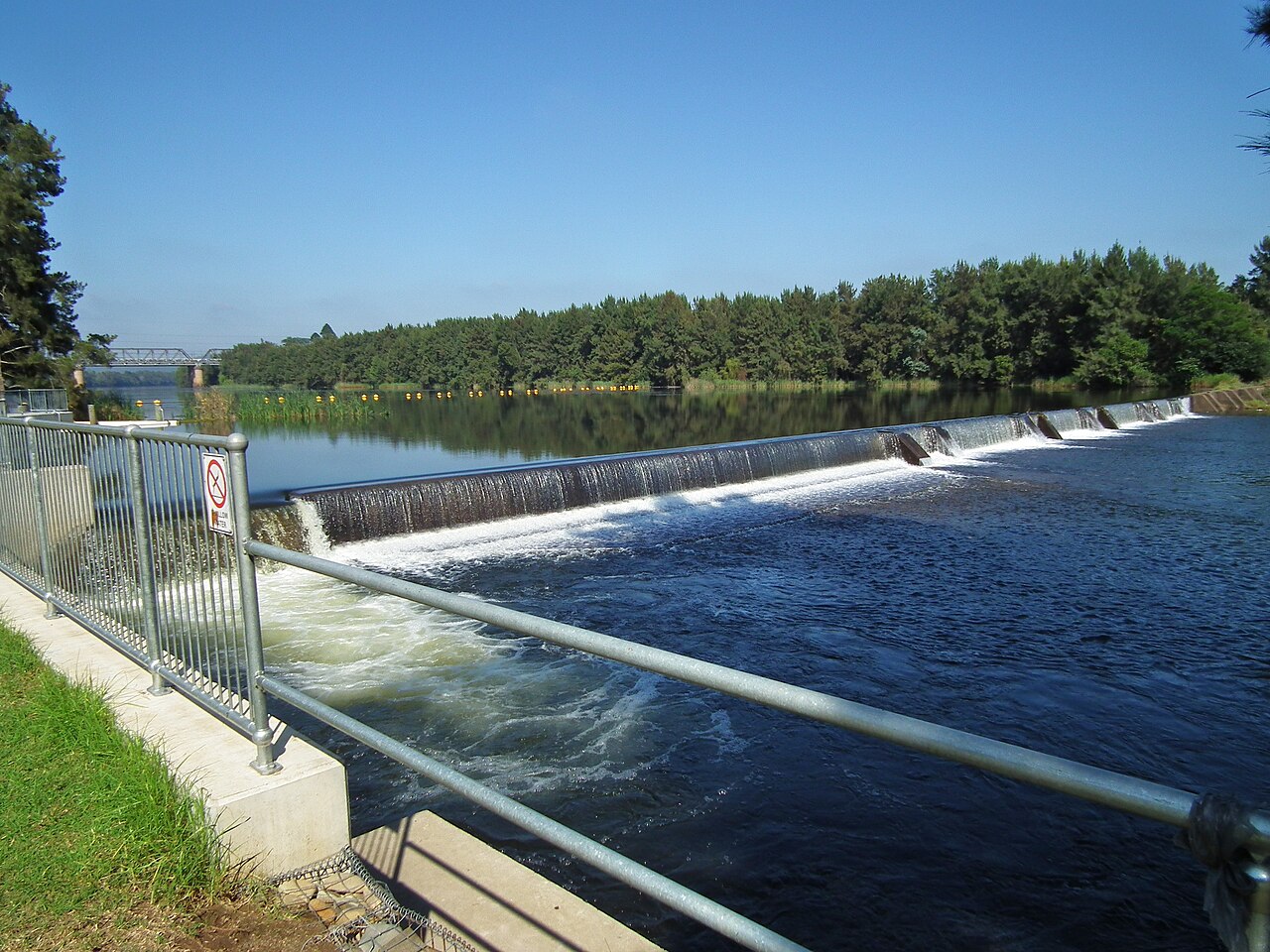
The competition and warm-up lakes at the regatta centre
The Sydney International Regatta Centre, venue of the Swimming NSW Open Water Classic, consists of a 2300m competition lake and a 1500m warm up lake. Together the competition lake and the warm up lake at the Sydney International Regatta Centre make up 98-hectares of water surface. The 196-hectare Sydney International Regatta Centre was completed in 1995 as part of the Penrith Lakes Scheme.
The Nepean River at Victoria Bridge: historic crossings and nineteenth-century rowing
Less than a kilometre from the regatta complex flows the Nepean River, an ancient natural waterway with deep ties to early transport and Australian rowing history. Before any bridges spanned the river, settlers and travellers had to cross the moving current via the shallow Emu Ford or by boarding a river punt from Punt Road. The first wooden crossing was finished in 1855, but destructive floods swept it away in 1857 and again in 1860, highlighting the fierce power of the river catchment. Colonial engineers answered the floods by constructing Victoria Bridge, an imposing continuous iron through-bridge resting on hollow stone piers, completed on June 6, 1867. Its three iron girders each stretch 56.7 metres across the riverbed, proving their resilience when the Great Flood of 1867 tore through the valley just two weeks later and damaged only the timber approaches. Beneath the surface, the riverbed still conceals historic timber foundation piles, construction stages, and coffer dams, silent reminders of the 1850s when local oarsmen first began staging national and international rowing races on these waters.
The Hawkesbury sandstone of Nepean Gorge and Glenbrook Creek
The Nepean River cuts deep into the landscape to form the dramatic Nepean Gorge. Flanked by vertical cliffs of Hawkesbury sandstone, this winding river corridor is protected by the NSW National Parks and Wildlife Service and remains a favourite route for small paddle craft year-round. The rocky river valley holds evidence of prehistoric volcanic activity in the soils of the surrounding hills, alongside an extensive and enduring heritage belonging to local Aboriginal peoples. Glenbrook Creek is a clear freshwater stream that gathers its headwaters inside the Blue Mountains National Park. The creek drops 270 metres over a 17-kilometre run, carving through the sandstone ravines of Glenbrook Gorge on its way toward the Nepean. Swimmers heading into the national park can discover scenic freshwater holes sculpted out of the creek bed, such as Blue Pool and Jellybean Pool, where cool, untamed water pools.
Pondi Beach and the revitalised Penrith lakeshore
The broader rehabilitation of the old quarry land created Pondi Beach, an artificial inland beach built beside the Nepean River. The site gives western Sydney an expansive lakefront swimming area that stretches 80 metres out from the sandy shoreline. In the deeper sections of the buoyed swimming zone, depths drop to 5.0 metres, while midsummer water temperatures can climb to a balmy 24°C (75 °F) under the open sky. After pushing through a structured race, the quiet lakefront offers a calm setting to unwind and reflect on the swim.
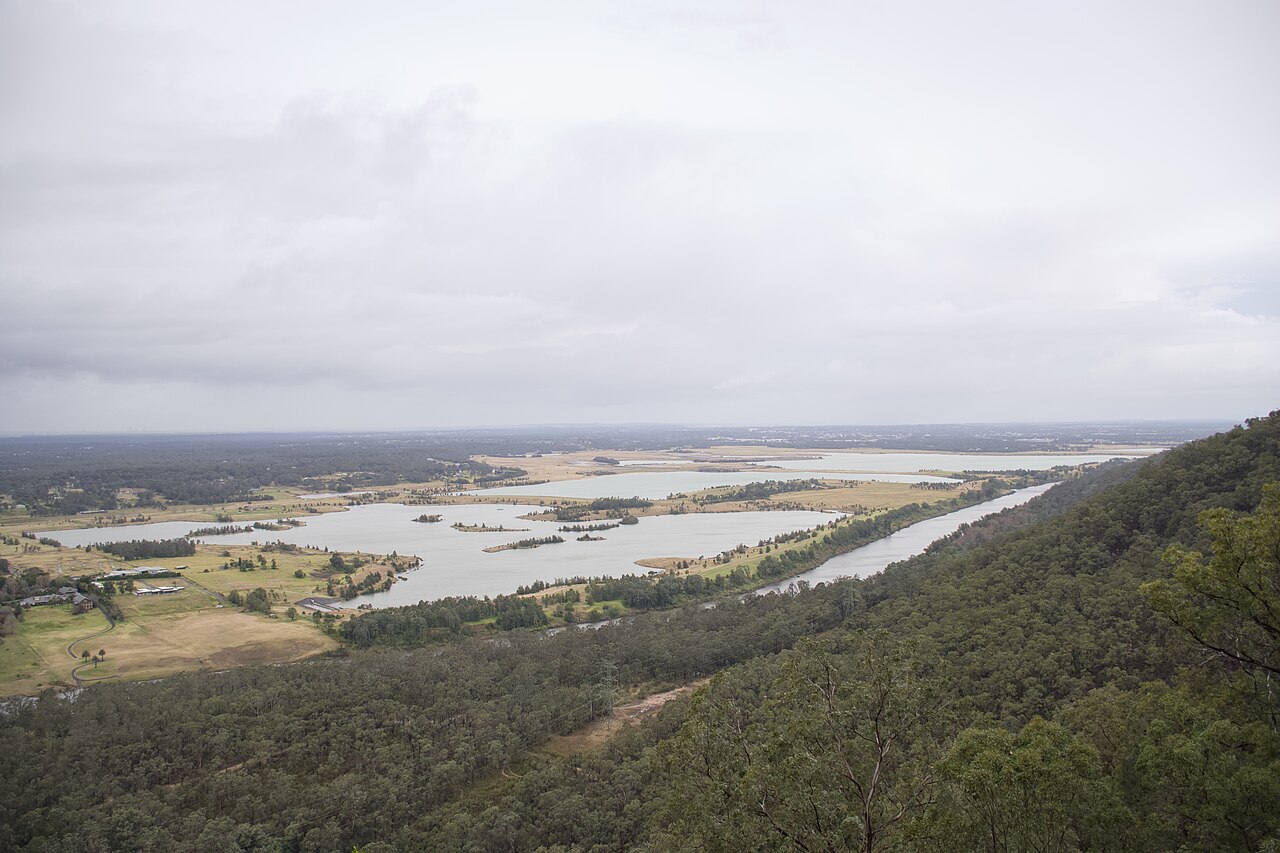
Sources: Victoria Bridge, Penrith · Sydney International Regatta Centre · Yandhai Nepean Crossing
Course
A precisely mapped-out course around the shores of Lake Macquarie at Speers Point. The course is designed to be clear and well-defined, suitable for both first-timers and experienced swimmers.
Previous editions
- 2025Dec 21, 2025
How to get there
Swimming NSW Open Water Classic
Frequently asked questions
- When is Swimming NSW Open Water Classic?
- Swimming NSW Open Water Classic takes place on November 21, 2026.
- What distances does Swimming NSW Open Water Classic offer?
- Swimming NSW Open Water Classic has a single distance: 2.5 km.
- Where does Swimming NSW Open Water Classic take place?
- Swimming NSW Open Water Classic is a lake swim. Location: Sydney International Regatta Centre, Penrith, New South Wales, Australia.
Where to stay
Speers Point offers a selection of lakeside holiday apartments and comfortable motels within walking distance of the jetty, alongside several caravan parks situated directly along the Lake Macquarie shoreline. For a more secluded stay, small-scale guesthouses are available in the surrounding suburbs. Expect to pay between $150 and $280 per night for standard double occupancy during the race weekend.
Things to do nearby
The area is defined by its extensive network of shared cycleways and walking paths that hug the lake perimeter, ideal for pre-race loosening. Visitors frequently explore the local artisan markets in the parklands or take out kayaks and SUPs to traverse the quieter coves of the lake. For those interested in regional heritage, the historic rail trails and the engineering landmarks of the nearby river corridors offer a grounding contrast to the morning's physical exertion.
Swimmers
Similar races


Comments
Transparency: some links on this page (stays, flights, experiences, gear) are affiliate links — if you book or buy through them, Omniathlon may earn a commission from the partner at no extra cost to you. As an Amazon Associate we earn from qualifying purchases.