
Travesía Barranca
- Feb 27, 2027
- Distance: 5km
At a glance
- Next edition date
- February 27, 2027
- Distances
- 5 km
- Where
- Sea · Mar de Barranca, Supe Puerto, Lima, Peru
- Entry fee
- 140 €
- Wetsuit
- Optional between 18 °C (64 °F) and 20 °C (68 °F) and forbidden above 18 °C (64 °F)
- Registration
- drive.google.com
About the race
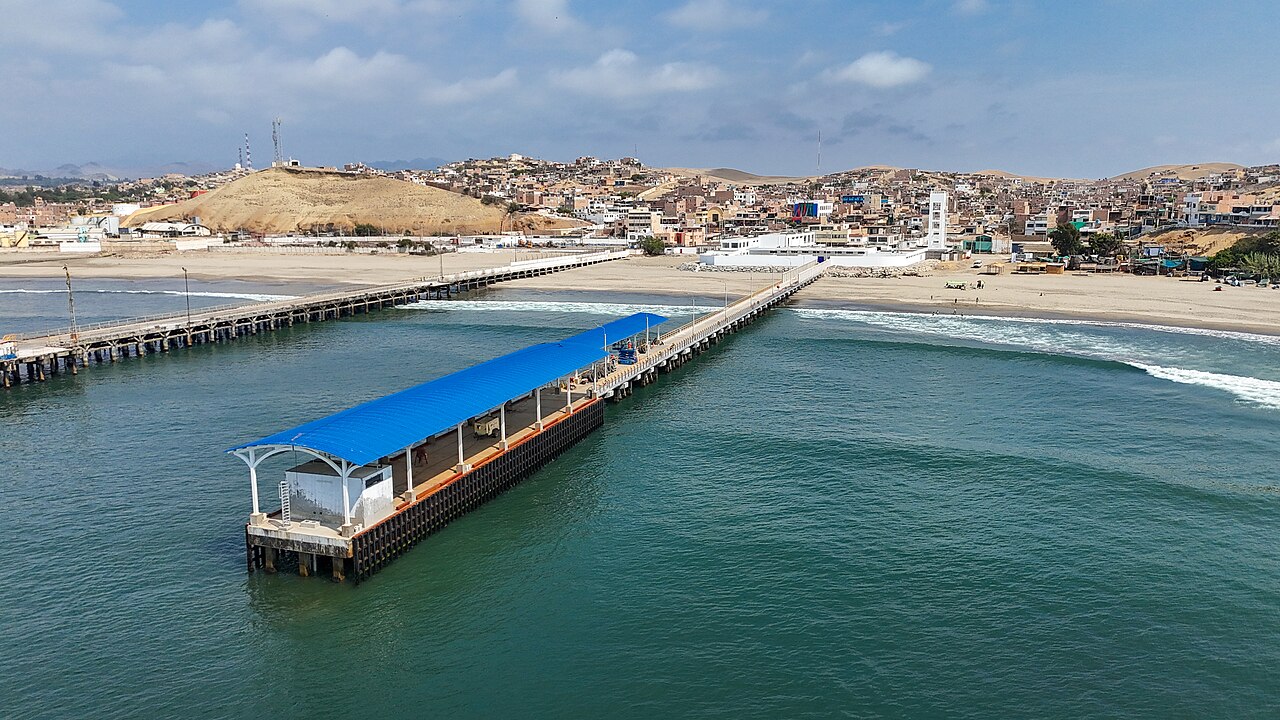
Held in late February off Supe Puerto, the Travesía Barranca lets swimmers chart the ocean swell beneath the late-summer Peruvian sun. The event offers two distinct distances: a premier 5-kilometer point-to-point course and an accessible 2-kilometer swim. The 2-kilometer race starts and finishes on the sands of Playa Puerto Chico, while the 5-kilometer challenge sets off directly from the historical Muelle de Puerto Supe. Swimmers in the longer distance launch into the Pacific and track the desert shoreline northward to reach the finish arch on the beach at Playa Puerto Chico. Competitors can enter across gender and age categories starting from 14 years old, choosing either standard open water divisions without fins or fin-swimming categories.
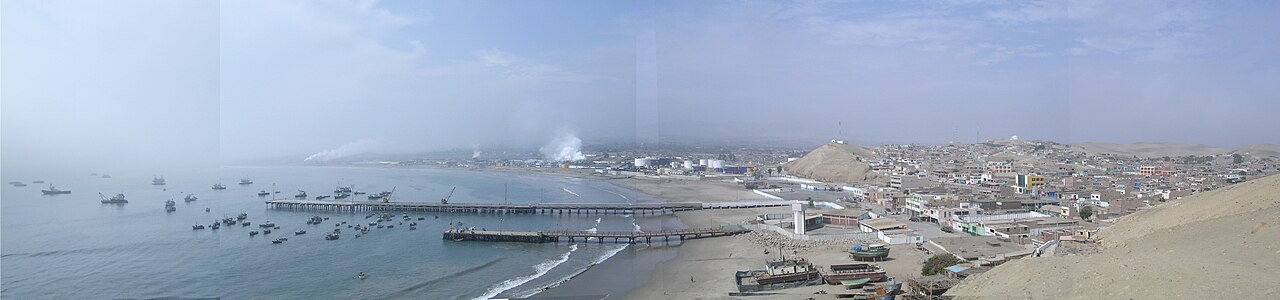
Navigating open ocean swells requires steady sighting and calm focus over the rolling Pacific water. In past editions, safety was secured by dedicated support boats marked with flags every 500 meters, backed by a Peruvian Navy vessel for rapid assistance. Swimmers celebrate after crossing the line with a finisher medal, hydration, fresh fruit, and a buffet breakfast served beside the sea.
Áspero: the coastal sanctuary of the Caral civilization
Barely two kilometers from the starting pier and 500 meters from the ocean surf lies Áspero, an archaeological settlement with roots dating back over three thousand years BCE. Human habitation along this stretch of coast began as early as 5000 BC, when maritime communities settled in small villages sheltered by hills beside the beaches. The Supe River valley nurtured the rise of the Caral civilization. The early residents constructed monumental pyramidal structures out of unworked stone and mud mortar, orienting their buildings around a central plaza that now forms wetland and farmland. Those coastal inhabitants harvested wild reeds from the nearby marshes to manufacture various tools and goods. Natural catastrophes eventually contributed to the decline of Áspero around 2000 BC, and in the twentieth century its largest monument, the Huaca Alta, suffered damage from looters using dynamite and crowbars. Today, the ancient mounds stand beside the Pacific shoreline, grounding every stroke of the race in thousands of years of maritime history.
Isla El Faraón: blowholes and cliffs along Puerto Supe
Isla El Faraón takes its name from its striking natural topography, which rises out of the breaking waves to resemble two ancient pyramids. Isla El Faraón is a tidal island that has historically stood separated from the shore whenever high tide fills the bay. Recent geological shifts and evolving sea levels have altered this dynamic, leaving the island only occasionally cut off by the tide or heavy Pacific surf. Around the ocean-facing side of the island, the full force of the Pacific breaks against sheer rock formations and natural marine blowholes. These spray-drenched cliffs and craggy perches provide shelter for hundreds of seabirds that roost along the stone ledges. Swimming past the headlands provides a vivid sense of the raw coastal energy shaping the Peruvian shoreline.
The Supe River: Andean runoff entering the Pacific
The Supe River empties into the Pacific Ocean. The river originates high in the mountains from the Agushcocha and Jururcocha lagoons, officially taking the name Supe after its confluence with the Carrizal ravine. Ancient communities once flourished along these banks, evidenced by archaeological settlements such as La Miraya set beside the watercourse. The river corridor sustains a narrow ribbon of green amidst the coastal desert, including groves of carob trees, poplars, reeds, cat's claw, and the native pájaro bobo shrub. Water flow varies dramatically through the year, dropping during dry months from May to December before surging with high discharge between January and April.
Albufera de Medio Mundo: coastal lagoon and bird reserve
About fifteen kilometers down the coast in the Végueta district lies the Albufera de Medio Mundo, an expansive coastal lagoon of brackish water. Extending for seven kilometers parallel to the Pacific beach, this coastal wetland provides a tranquil natural habitat right behind the ocean breakers. The lagoon has been protected as a regional conservation area since 2007 to preserve its fragile wetland ecosystem against the surrounding desert. The calm waters serve as a vital stopover for migratory and resident birdlife traveling along the Pacific flyway. Visitors exploring the lagoon shoreline can observe an array of coastal and mountain species, including Peruvian terns, cinnamon teals, Peruvian gulls, burrowing owls, black-crowned night herons, black vultures, and soaring Andean condors. It makes for a quiet natural retreat where swimmers can unwind after navigating the rolling waves and historical coastline of the Travesía Barranca.
Sources: Supe Puerto
Course
5 km straight-line course, from South to North, starting at Muelle de Puerto Supe and finishing at Playa Puerto Chico (Barranca). The route runs parallel to the coast. There will be 8 support boats (chalana) with flags positioned every 500 meters for orientation and assistance.
Previous editions
- 2026Feb 28, 2026
Useful info
5km race, minimum age 14. Categories: Pro (no fins) and With Fins. Registration by February 10 via bank transfer/Yape and online form. Official swim cap is mandatory. Technical meeting via Zoom on 25/02. Kit pickup on 27/02 or on race day. Time limit: 3 hours. Event subject to postponement due to weather/swell conditions.
How to get there
Nearest airport: Jorge Chávez (LIM), approximately 180 km away (3h drive). There are no passenger trains. Accessible from Lima via Panamericana Norte using interprovincial buses (e.g., Movil Bus, Z Buss) to Supe or Barranca. By car: follow the Panamericana Norte to km 188. Parking is available in the urban areas adjacent to the port.
Frequently asked questions
- When is Travesía Barranca?
- Travesía Barranca takes place on February 27, 2027.
- What distances does Travesía Barranca offer?
- Travesía Barranca has a single distance: 5 km.
- How much is the entry fee for Travesía Barranca?
- The entry fee is 140 €.
- Is a wetsuit required at Travesía Barranca?
- At Travesía Barranca, wetsuits are optional between 18 °C (64 °F) and 20 °C (68 °F) and forbidden above 18 °C (64 °F). Wetsuits are prohibited in water temperatures of 18°C (64 °F) or higher for general categories. For Master categories, wetsuits are permitted between 18°C (64 °F) and 20°C (68 °F).
- Where does Travesía Barranca take place?
- Travesía Barranca is a sea swim. Location: Mar de Barranca, Supe Puerto, Lima, Peru.
- How do I register for Travesía Barranca?
- The reference page for registering for Travesía Barranca is https://drive.google.com/drive/folders/1OY65htKSJaVNuY-dn-A-mHrp7mX08HKu.
Where to stay
Puerto Supe offers a selection of local guesthouses and modest seaside inns that prioritize proximity to the shoreline. Swimmers will find comfortable 'hostales' and family-run apartments near the port, ranging from $30 to $65 per night. For those seeking more established facilities, boutique options are available in nearby Barranca, providing easy access to the race start. These accommodations are typically simple, focusing on the essentials for athletes, and are often fully booked in the weeks leading up to the February race date.
Things to do nearby
Beyond the water, the region is a gateway to the Norte Chico civilization. Visitors can explore the monumental architecture of the Caral sites, which predate the better-known Andean cultures. The local coastline is excellent for low-impact activities like coastal trekking and birdwatching, especially around the rocky outcrops of the Isla del Faraón. Gastronomy is a cornerstone of the visit, with regional specialties focusing on fresh Pacific catches, particularly in the traditional 'cevicherías' that dot the harbor area, offering an authentic taste of Peruvian maritime culture.
Swimmers
What to see around
1. Caral: the oldest city in the Americas (UNESCO World Heritage, 25km). 2. Puerto Chico Beach: ideal for post-race relaxation. 3. Fortaleza de Paramonga: Chimú archaeological site (20km). 4. Lomas de Lachay: nature reserve for trekking (60km). 5. Local gastronomy: try the traditional 'picante de cuy' in Barranca.
Similar races


Comments
Transparency: some links on this page (stays, flights, experiences, gear) are affiliate links — if you book or buy through them, Omniathlon may earn a commission from the partner at no extra cost to you. As an Amazon Associate we earn from qualifying purchases.