
Zwemwedstrijd Beusichem - Culemborg
- Jul 11, 2027
- Distances: 2km and 6km
At a glance
- Next edition date
- July 11, 2027
- Distances
- 2 km · 6 km
- Where
- River · Beusichem - Culemborg, Beusichem, Gelderland, Netherlands
- Registration
- lektocht.nl
About the race
The Zwemwedstrijd Beusichem - Culemborg, known locally as the Lektocht, is a classic open water swimming race held in the river Lek in the province of Gelderland, the Netherlands. Running through the open Dutch river landscape, the race draws long-distance swimmers every July for a true river journey. The event has deep industrial and community roots, having first taken place on August 14, 1949, as an initiative of the sports association of the Gispen furniture factory. After a twenty-five-year hiatus, the race was revived in 1996 through the energy of the late Guus Toonen. Today, organized by the Stichting zwemwedstrijd Beusichem - Culemborg, the tradition continues as a celebrated summer fixture on the Dutch open water calendar.
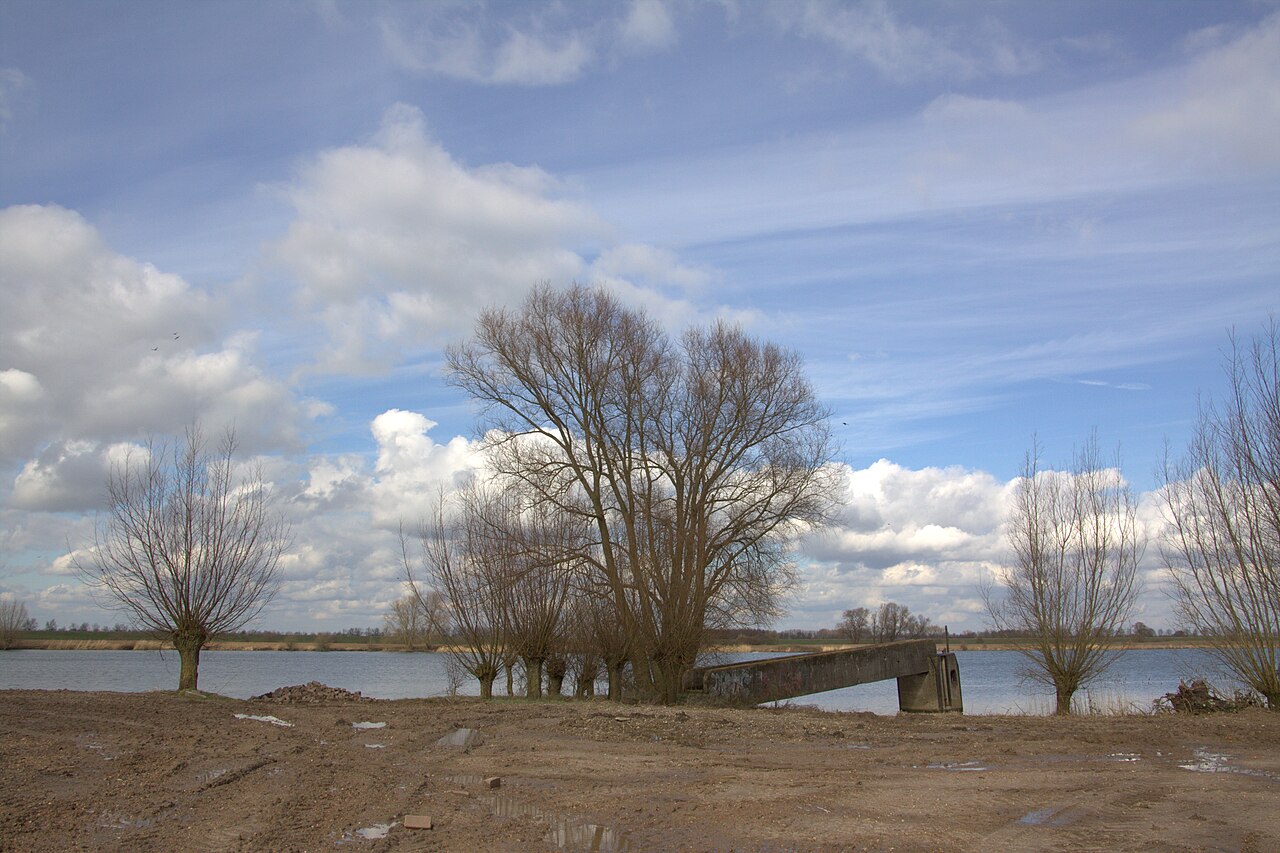
Competitors tackle a pure point-to-point course where the starting line and the finish line lie in completely different locations. Swimmers choose between two distances: a 2,000-metre event and a demanding 6,000-metre downriver journey. Entry for the 6,000-metre freestyle requires a minimum age of thirteen for men and twelve for women. Slipping into the water, you immediately feel the pull of the current that will guide your strokes all the way. The defining sensation of the Lektocht is what competitors regularly call 'swimming between cows and shipping traffic'. To guarantee complete swimmer safety, the organizers install a continuous swim line from Beusichem right into Culemborg harbour. Staying within this corridor demands steady aerobic stamina and mindful sighting, as shifting river currents push against your rhythm while you swim. Water temperatures generally settle between 18 and 24 degrees Celsius.
The Lek course: buoys, groynes, and the finish at the Culemborg marina
The 6,000 m race of the Lektocht starts from the ferry at Beusichem, with the men setting off first and the women following two minutes later. Shipping on the Lek carries on during the race, and the lifeguard brigade keeps radio contact with the passing vessels from a boat. Swimmers in the Lektocht must pass all buoys on their left, because swimming to the right of the buoys means swimming in the shipping lane. Around the 3 km mark, Rijkswaterstaat has placed obstacles on the Lektocht course, marked with ribbon and red buoys, which swimmers also pass on the left. At the very last groyne, just before the marina entrance and the finish in Culemborg, a red buoy marks stones under the water and has to be passed on the right. In good weather the first swimmers of the Lektocht reach the finish at the head of the marina in Culemborg after about an hour in the water.
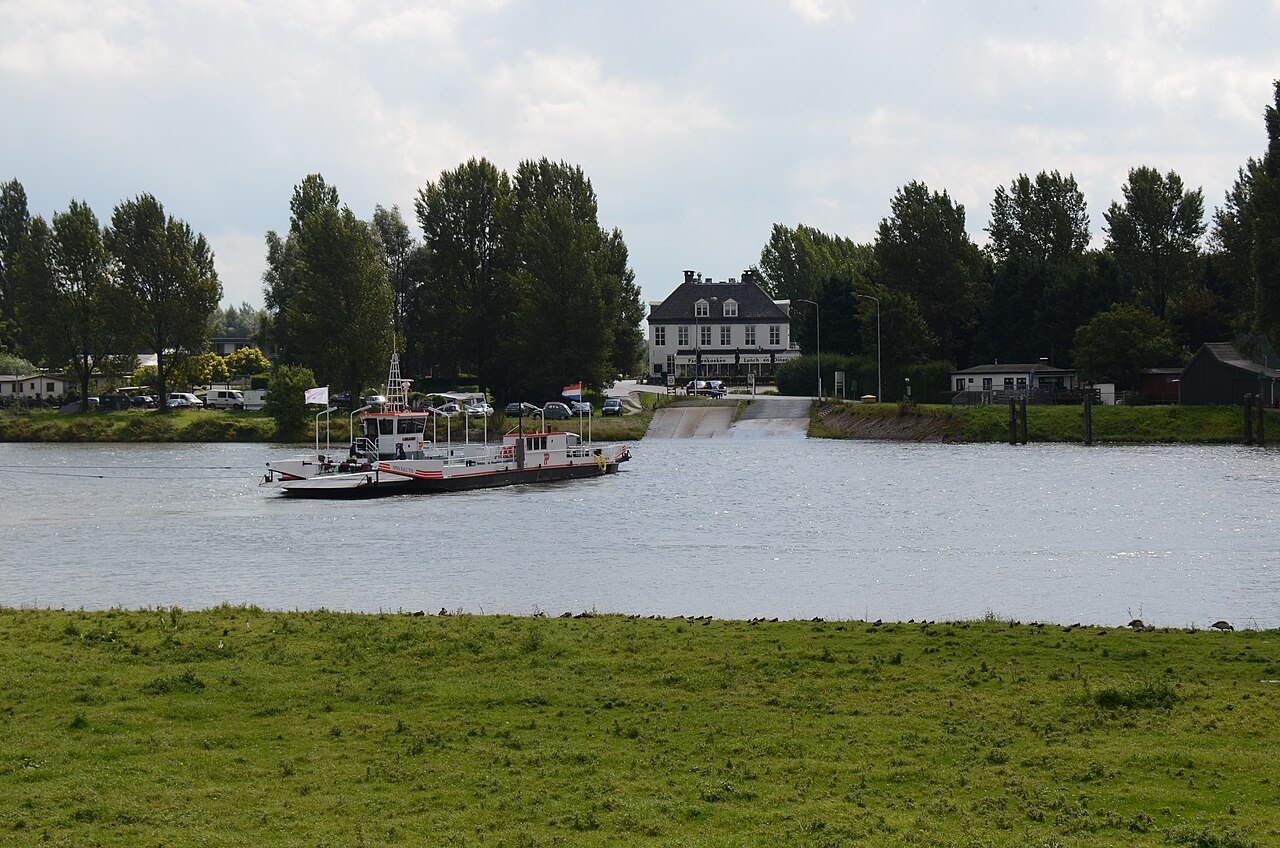
The Beusichemse Veer: historic ferry crossings on the Lek
Beusichem itself grew directly from its relationship with the moving water, having originated as a riverside settlement on the Lek. The historic ferry house on the Beusichem bank stands on a natural elevation formed by the ancient riverbank. Waterborne transit here is ancient: a ferry service, the Beusichemse veer, has been carrying passengers across the Lek at this exact location since the fourteenth century. Today, the crossing is operated by the Spes Salutis, a motor ferry built in 1986 at the Jac. den Breejen shipyard in Hardinxveld-Giessendam. Measuring 42 metres in length, 12 metres in width, and displacing roughly 100 tons, the vessel is a regular sight on the water.
The river's seasonal flow directly dictates life along these banks, as high water levels can submerge landing stages and halt ferry operations. However, because the landing stage at Beusichem was engineered on a comparatively elevated natural foundation, the ferry remains operational longer during floods than other crossings in the surrounding river area.
Dorestad: the early medieval trading port at the Rhine fork
About ten kilometres away from the race area lies the historical heart of early Dutch river commerce at Dorestad. Established during the seventh century at the base of the former Roman fortress of Levefanum, the settlement became one of north-western Europe's foremost early medieval trading emporiums. Situated at the fork of the Rhine, it served as a vital crossroads connecting Germany, England, France, and Scandinavia via an intricate network of waterways. Extensive archaeological digs along the ancient riverbed have exposed complex harbour infrastructure, including massive wooden causeways that jutted into the water to unload goods from merchant vessels. For generations, historians attributed the eventual disappearance of this bustling trading centre in the 860s to violent Viking raids. However, geological and archaeological research revealed that the emporium's true demise was caused by nature: the river channel naturally shifted its bed, silting up the harbour and causing progressive erosion along the river bend that washed away large portions of the settlement.
Mariënwaerdt and Buren: moated strongholds and reclaimed water meadows
The landscape south of the Lek is shaped by centuries of living alongside dynamic river currents. About three kilometres from the race course lies the estate of Heerlijkheid Mariënwaerdt, whose name derives from a 'waard', a tract of low pasture enclosed by water. Since 1734, the estate has maintained historic legal privileges over the surrounding country, including dedicated fishing rights and direct stewardship of the local waterways. Between 1734 and 1790, the current manor house of Mariënwaerdt was erected over the masonry vaults of an older medieval abbey. The medieval refectory of the monks still survives intact beneath the modern residence, illustrating how domestic architecture rooted itself in these wet clay meadows.
About four kilometres from the race venue, the town of Buren showcases the military side of Dutch water engineering at Castle Buren. First constructed in the twelfth century on an east-west sand ridge, the castle was held by the Lords of Buren, who regulated regional water management and organized the oldest settlements along the river Korne. In the sixteenth century, the complex was transformed into a formidable Italian-style 'Palazzo in Fortezza', complete with earthen ramparts, bastions, and gunpowder magazines. This defensive stronghold relied entirely on the surrounding water for protection, guarded by three drawbridges, four bastions, and a wide double moat. Inside the thick walls, masons built specialized viewing niches so the occupants could look down directly into the moat's waters. Today, those peaceful water lines and river pastures frame an exceptional swim.
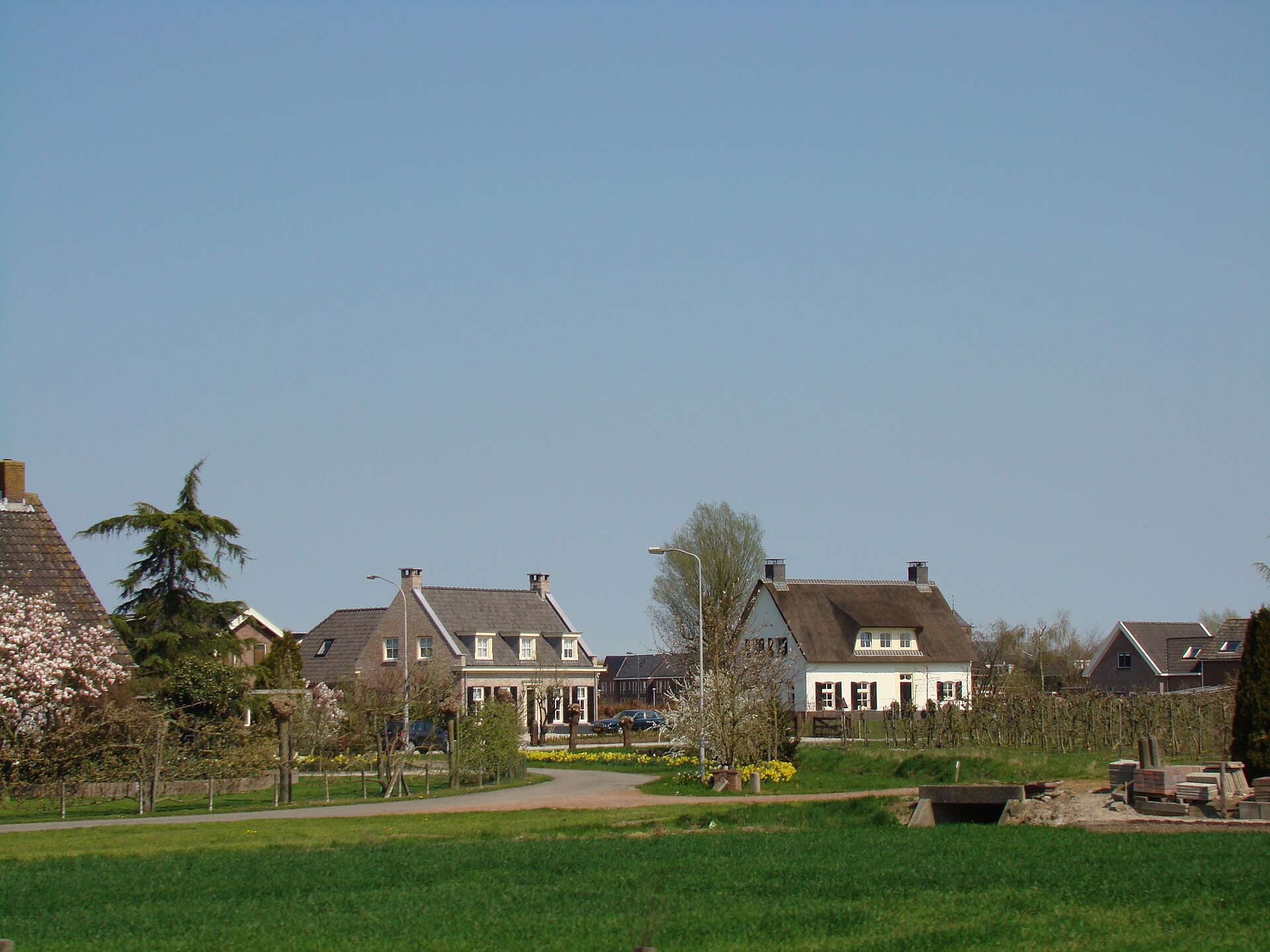
Sources: Beusichem · Castle Buren · Huis Reygersfoort
Course
River course in the Lek river, from Beusichem to Culemborg. A unique race of its kind in the Netherlands, characterized by a starting point different from the finish line. The course is shared with active commercial shipping traffic and winds through a rural setting ('swimming between cows and ships').
Previous editions
- 2026results
Useful info
Historic race (Lektocht), 29th edition scheduled for July 11, 2027. It is recommended to monitor the official website for the opening of registrations and specific regulations regarding wetsuits and categories.
How to get there
Amsterdam Schiphol Airport (AMS) at 65 km. Nearest train station: Culemborg (5 km), connected to Utrecht. From the station, local bus or taxi to Beusichem. By car: A2 motorway, Culemborg exit. Parking available on site, follow event signage. Flat area, ideal for cycling.
Zwemwedstrijd Beusichem - Culemborg
Frequently asked questions
- When is Zwemwedstrijd Beusichem - Culemborg?
- Zwemwedstrijd Beusichem - Culemborg takes place on July 11, 2027.
- What distances does Zwemwedstrijd Beusichem - Culemborg offer?
- Zwemwedstrijd Beusichem - Culemborg offers 2 km and 6 km.
- Where does Zwemwedstrijd Beusichem - Culemborg take place?
- Zwemwedstrijd Beusichem - Culemborg is a river swim. Location: Beusichem - Culemborg, Beusichem, Gelderland, Netherlands.
- How do I register for Zwemwedstrijd Beusichem - Culemborg?
- The reference page for registering for Zwemwedstrijd Beusichem - Culemborg is https://www.lektocht.nl.
Where to stay
The area offers a mix of traditional riverside stays. You can find rustic camping sites located right at the 'jachthaven' (marina) near the riverbanks, providing a direct connection to the water. Alternatively, there are small-scale guesthouses and historic inns in the nearby village centers of Beusichem and Culemborg that offer a quieter, local atmosphere. Expect to pay between €70 and €130 per night for a double room in these well-located spots. See where to stay near the Lek for local options.
Things to do nearby
Beyond the river, the Betuwe region is famous for its extensive orchard cycling routes and hiking trails along the dikes. You can explore the historic center of Culemborg, known for its town hall and regional museums, or rent a kayak to navigate the smaller, calmer tributaries that feed into the Lek. For those interested in local culture, the area features seasonal fruit tastings and small-scale cheese producers. Check activities in the Betuwe area for more weekend inspiration.
Swimmers
What to see around
1. Historic center of Culemborg (Markt square and town hall). 2. Amerongen Castle (architecture and gardens). 3. Cycling routes along the Lek river (scenic dikes). 4. Orphanage Museum of Culemborg. 5. Lek uiterwaarden nature reserve for hiking and birdwatching.
Similar races


Comments
Transparency: some links on this page (stays, flights, experiences, gear) are affiliate links — if you book or buy through them, Omniathlon may earn a commission from the partner at no extra cost to you. As an Amazon Associate we earn from qualifying purchases.