
2XU Ocean Swim Series - River to Bluff
- Jan 3, 2026
- Last edition date
- Distances from 500m to 5km
At a glance
- Last edition date
- January 3, 2026
- Distances
- 500 m · 1.5 km · 2 km · 2.6 km · 5 km
- Where
- Sea · Devonport, Tasmania, Australia
- Entry fee
- 35 AUD
- Registration
- tasmanianoceanswimseries.com
About the race
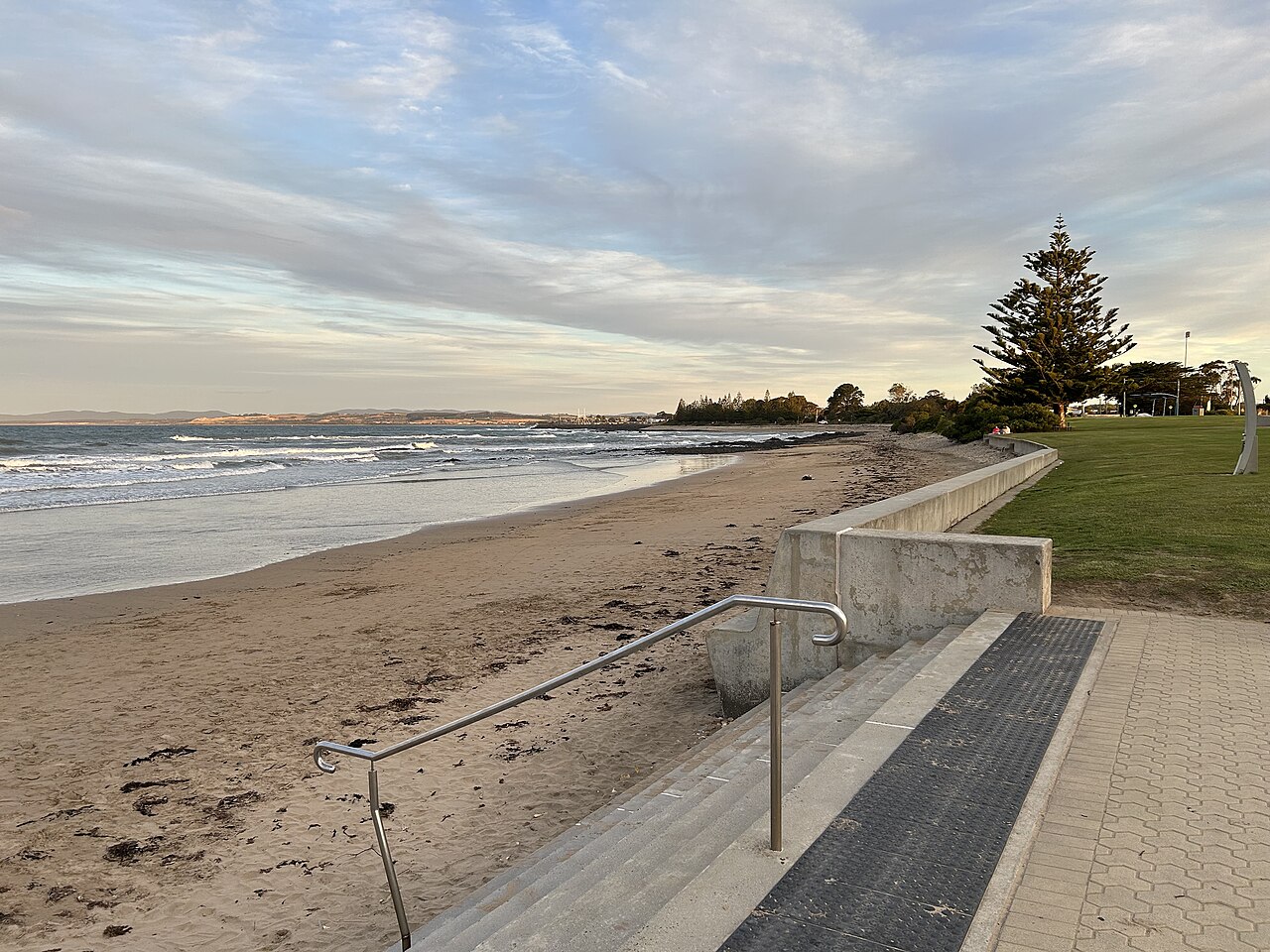
At the northern edge of Tasmania, the outflow of the Mersey River meets the rolling waters beside the prominent headland of Mersey Bluff. The 2XU Ocean Swim Series - River to Bluff is an open water sea swim held in Devonport, where swimmers plunge into the open marine waters. The event takes place in January during the height of the southern hemisphere summer. Setting out from the Elimatta Boat Pier, the swim follows a scenic, sheltered course heading westward along the shoreline to the finish line at the Devonport Surf Life Saving Club on Back Beach. Navigating the natural contour of the coast, the rhythm of your stroke carries you through the waters.
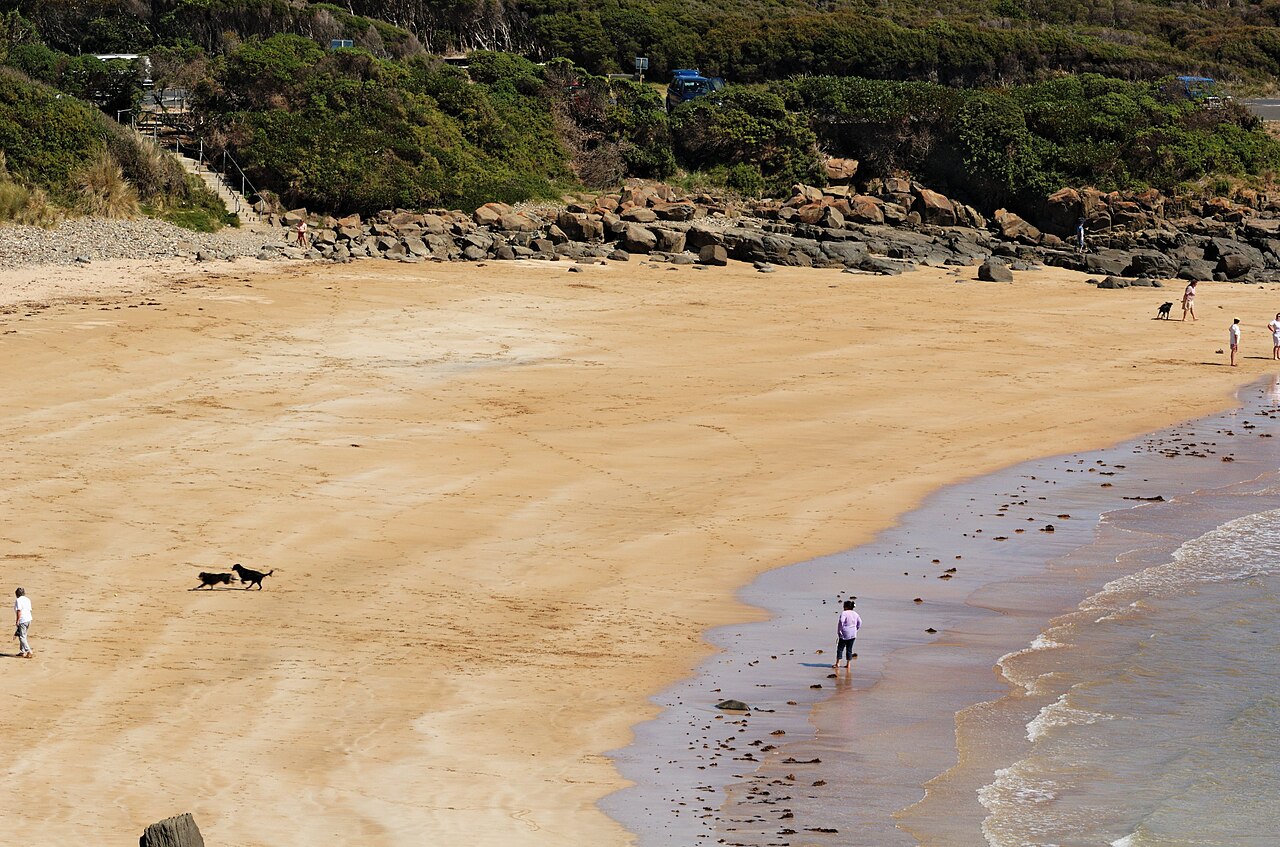
The title sponsor name 2XU stands for "Two Times You," symbolizing the multiplication of human athletic performance. The competition provides distances for every tier of open water swimmer, featuring courses of 500, 1,500, 2,000, 2,600, and 5,000 metres. Swimmers as young as 10 years old can take on the 500-metre novice swim, while long-course options welcome participants aged 12 and above. Because these southern ocean waters can feel brisk, wetsuits are recommended for all competitors, though they are not compulsory. Stepping into the temperate sea without neoprene remains a matter of personal comfort and cold water experience. Organized by the Tasmanian Ocean Swim Series, the event operates under a structured points-based system to crown an overall series winner.
Swimmers earn points based on their finishing placement in each contest, ensuring that every participant who crosses the line receives at least one series point. A swimmer's age category for the entire series is anchored to their age on the day of the first swim of the season. These brackets span Junior (12–16), Open (17–29), Masters (30–44), Senior Masters (45–59), Legends (60–69), and the True Tridents category for swimmers aged 70 and over. The entire series is run in partnership with Surf Life Saving Tasmania and local surf lifesaving clubs. Once the swimming concludes, Back Beach hosts an inclusive, community-focused gathering where swimmers swap stories over drinks and a traditional post-swim sausage from the barbecue.
The Mersey, the Don and the Forth: rivers of the north-west coast
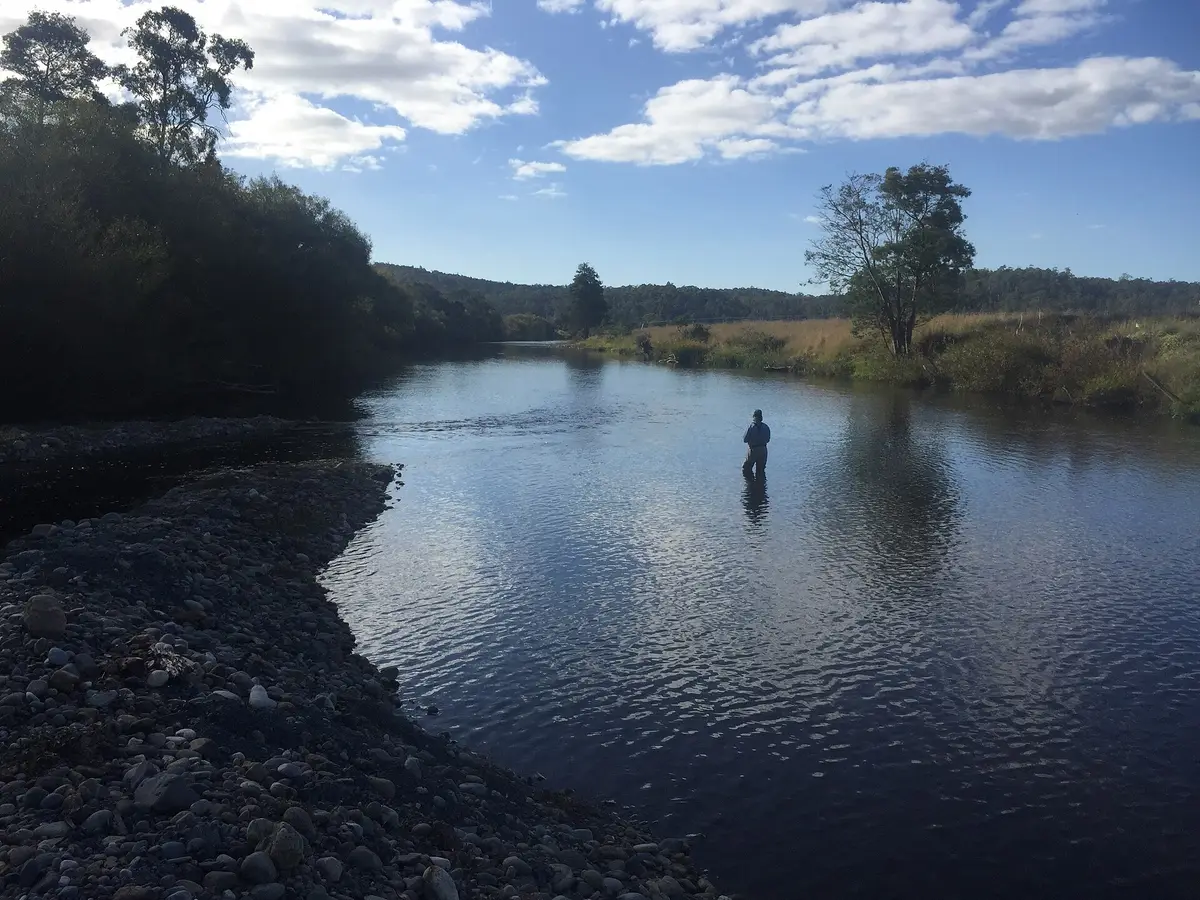
The Mersey River forms the natural gateway to the swim, dividing the lower-energy western section of the coastline from the more exposed eastern waters along Tasmania's northern rim. This geographical threshold protects the race course from heavier swells, offering swimmers relatively calm sea conditions inside the bay. The broader coastal hinterland around Devonport is defined by a network of freshwater streams that meet the open sea. The Don River is a perennial waterway that descends 343 metres over a 37.8-kilometre course across north-western Tasmania before flowing directly into Bass Strait at Devonport. Along its winding banks, the river travels down to the coast. About eight kilometres from the race area, the Tasmanian Arboretum preserves a rich riverine environment where the Don River joins Melrose Creek.
This expansive botanical reserve encompasses 22 hectares of local natural vegetation, featuring heritage limestone quarries dating back to approximately 1860 as well as an old quarry floor incorporated into the parkland in 2009. Visitors exploring the grounds can watch wild platypus swimming across the calm surface of Founders' Lake. Further along the coast to the west lies Turners Beach, situated at the western mouth of the Forth River where it discharges into Bass Strait. The beach is composed of fine white sand continually ground down and deposited by rolling coastal waves. While the mouth of the Forth River creates churning currents that are considered dangerous for surfers, the adjacent sands offer quiet shoreline walking. Historically, the Forth River sustained abundant populations of Cocky Salmon and mullet. At one edge of the beach, Claytons Rivulet flows out into the sea, providing a thriving freshwater sanctuary inhabited by platypus, freshwater eels, and brown trout.
Egg Island and the seabird colonies of Bass Strait
Off the coastline near Devonport lies Egg Island, an isolated landform rising out of the waters of Bass Strait. Despite its modest footprint, the island has been designated as an Important Bird Area due to its significant breeding colony of black-faced cormorants. Egg Island also supports established breeding populations of little penguins, silver gulls, crested terns, and Caspian terns.
Bluff Lighthouse, historic ferries, and the twin river settlements
Human history around the river mouth reaches back through millennia, as the Panninher people historically relied on the Mersey River for sustenance and cultural practices. Palawa and Pakana groups gathered at the river estuary in early spring to harvest swan and duck eggs from the wetlands. During the 1850s, colonial development established the twin settlements of Formby and Torquay facing each other across the opposing eastern and western banks of the Mersey. That same era saw dramatic frontier escapes play out on the water. In 1853, the bushrangers Dalton and Kelly stole a whaleboat from The Sailors Return Inn at Turners Beach and boldly rowed across the hazardous expanse of Bass Strait to reach Victoria.
Navigating such exposed maritime channels was notoriously treacherous, demanding exceptional endurance and respect for southern weather patterns. To safeguard coastal shipping against deceptive reefs and headlands, the Mersey Bluff Lighthouse was completed in 1889. Maintaining infrastructure in these waters was an ongoing contest with the marine environment: in 1924, the Victoria Bridge connecting Devonport and East Devonport collapsed after wood-eating marine borers, known as Teredo navalis, devoured the submerged timber pilings.
Sources: Devonport, Tasmania · Mersey River (Tasmania) · Don River (Tasmania)
Course
Novice swim event, typically held off the beach with course details provided at the pre-race briefing.
Standard long-course swim event, conducted in open water with routes subject to weather and tide conditions.
Awards
Junior Female, Legends Female, Masters Female, Open Female, Senior Masters Female, True Tridents Female, Junior Male, Legends Male, Masters Male, Open Male, Senior Masters Male, True Tridents Male.
Previous editions
- 2025results
- 2009Mar 28, 2009
How to get there
Devonport Airport (DPO) is 10 km away. Launceston Airport (LST) is 100 km away. The nearest train station is in Burnie (limited connections). The venue is accessible by car via Bass Hwy or by local bus. Parking is available at Bluff Beach and surrounding areas. Car rental is recommended to explore the coast.
2XU Ocean Swim Series - River to Bluff
Frequently asked questions
- When was the last edition of 2XU Ocean Swim Series - River to Bluff?
- The last edition of 2XU Ocean Swim Series - River to Bluff took place on January 3, 2026.
- What distances does 2XU Ocean Swim Series - River to Bluff offer?
- 2XU Ocean Swim Series - River to Bluff offers 500 m, 1.5 km, 2 km, 2.6 km, and 5 km.
- How much is the entry fee for 2XU Ocean Swim Series - River to Bluff?
- The entry fee is 35 AUD. Price applies to Clearwater Classic. Entries close 5pm, 20th November 2026.
- Where does 2XU Ocean Swim Series - River to Bluff take place?
- 2XU Ocean Swim Series - River to Bluff is a sea swim. Location: Devonport, Tasmania, Australia.
- How do I register for 2XU Ocean Swim Series - River to Bluff?
- The reference page for registering for 2XU Ocean Swim Series - River to Bluff is https://www.tasmanianoceanswimseries.com/.
Where to stay
Devonport offers a mix of functional harbour-side apartments and boutique hotels overlooking the Mersey river mouth. For those preferring a more rugged stay, there are several caravan parks and camping grounds situated along the coast, providing direct access to the beach. Expect to pay between $150 and $280 per night for standard double occupancy during the summer season, with prices typically peaking around the New Year period due to high ferry traffic.
Things to do nearby
Beyond the race, the region is defined by its maritime and rail history. Visitors often explore the Don River Railway, a preserved heritage site near the river mouth, or take part in local food and wine tastings showcasing the produce of the Tasmanian North West. For active recovery, the coastline provides numerous opportunities for sea kayaking and coastal trekking, allowing for a closer look at the glaciated rock formations that characterize the local headlands.
Swimmers
What to see around
1. Mersey Bluff Lighthouse (iconico faro panoramico). 2. Tasmanian Arboretum (giardino botanico). 3. Narawntapu National Park (trekking e fauna selvatica). 4. Cradle Mountain (a 90km, escursioni alpine). 5. Spirit of the Tasmania Terminal (punto di arrivo traghetti da Melbourne).
Similar races


Comments
Transparency: some links on this page (stays, flights, experiences, gear) are affiliate links — if you book or buy through them, Omniathlon may earn a commission from the partner at no extra cost to you. As an Amazon Associate we earn from qualifying purchases.