
Aqua Race La Paz
- Nov 7, 2026
- Distances from 500m to 5km
At a glance
- Next edition date
- November 7, 2026
- Distances
- 500 m · 750 m · 1.5 km · 2.5 km · 5 km
- Where
- Sea · La Paz, B.C.S., Mexico
- Entry fee
- 40–119 €
- Registration
- asdeporte.com
About the race
Aqua Race La Paz is an open water swimming race organized by asdeporte in the waters of La Paz, the capital of Baja California Sur in Mexico. Five distinct distances accommodate everyone from sprint swimmers to seasoned marathoneers, featuring courses of 500 meters, 750 meters, 1,500 meters, 2,500 meters, and a premier 5,000-meter test. The longer routes send athletes through multiple laps, bringing them back past the beach through a dedicated corridor known as El Pabellón de los Campeones where spectators cheer from the shoreline. On the sand, pre-race yoga sessions, dedicated warm-up zones, and upbeat music create an energetic community setting. Among the competitive divisions, a specially designated Legends category honors older adult swimmers competing across the distances.
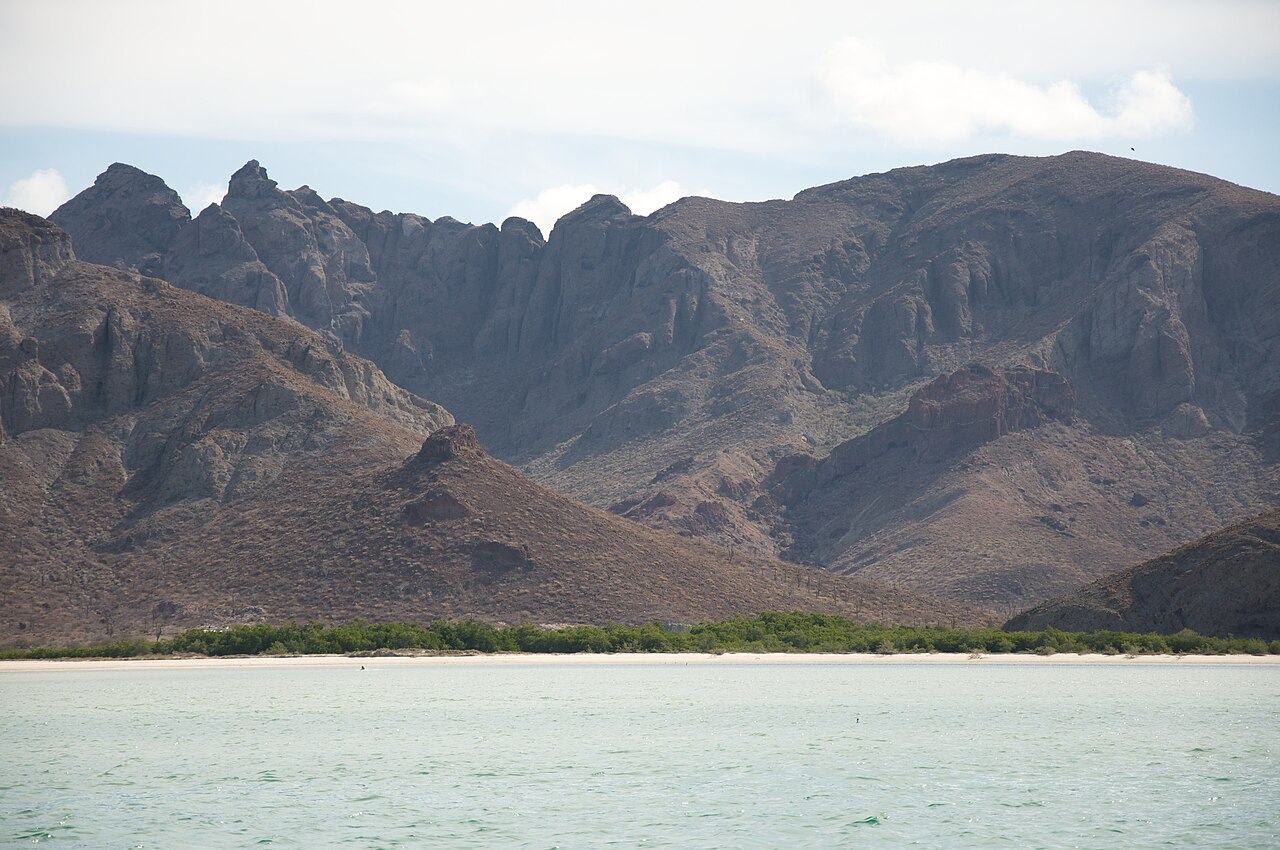
Playa Pichilingue and the second Aqua Race
The 2026 Aqua Race La Paz is the second edition of the open water swim. The event zone of the Aqua Race La Paz is Playa Pichilingue, reached along the Carretera Baja California from La Paz. The WomanUp category of the Aqua Race La Paz is open only to women aged 16 and over, who swim 750 m or 1.5 km. The Aqua Race La Paz awards a special prize to the three teams with the most members. Rentable palapas dot the shoreline of Playa Pichilingue for shade, and local shacks serve fresh seafood. Boats leave from the marina next to Playa Pichilingue for island excursions to Espíritu Santo.
Bahía de la Paz: sheltered waters and the Coromuel breeze
Bahía de la Paz serves as an effective protective barrier against the seasonal storms that occasionally sweep across the open waters of the Gulf of California. Within the bay, deep navigation channels maintain depths of around five meters, ensuring consistent, obstruction-free passages for maritime traffic. The sea here stays comfortably warm through the autumn months, cooling gradually from the tropical warmth of late summer toward its mild winter minimums. During summer nights, the surrounding atmosphere is cooled by the Coromuel winds, a distinctive local meteorological breeze that blows from the Pacific side across the peninsula and sweeps straight into the bay.

Espíritu Santo and Los Islotes: the volcanic marine park
Looking northward toward the open mouth of the bay, the skyline is framed by Isla Espíritu Santo and neighboring Isla Partida. Both islands were forged over millions of years by intense volcanic activity and tectonic earthquakes, leaving dramatic landforms composed of stratified lava flows and pale volcanic ash. Between the two islands lies an exceptionally narrow strait that becomes so shallow under specific tidal conditions that it is possible to wade across from one landmass to the other. These islands and their surrounding waters have been strictly conserved as a UNESCO Biosphere Reserve since 1995. In 2007, the surrounding marine ecosystem was further designated as a national park spanning nearly 480 square kilometers of pristine ocean.
At Los Islotes, just off the northern tip of the islands, a resident sea lion colony thrives along the rocky outcrops. The bay’s extraordinary marine biodiversity is celebrated along the town waterfront, where the Museum of Whale and Marine Sciences preserves a collection of 36 cetacean skeletons.
Estero El Conchalito: ancient tombs amid the mangroves
About four kilometers along the coast from the race area lies Estero El Conchalito, an ecologically vital tidal wetland covering approximately 40.7 hectares of protected ground. The coastal lagoon floods periodically with the rise and fall of the tides, feeding complex transitional zones where desert soil blends with marine life. Excavations have revealed ceremonial burial tombs containing ancient human skeletons alongside worked stone tools, left behind by the indigenous Pericú and Guaycurá hunter-gatherers who once lived by foraging along the water's edge.
The historic waterfront: pearl oysters, Cortés, and shade palms
Long before European navigators reached these shores, the indigenous inhabitants dived into the bay to harvest pearl oysters from the seabed. In 1535, the Spanish explorer Hernán Cortés sailed into the natural harbor, christening it Bahía de la Santa Cruz and establishing the anchorage that would later become the city of La Paz. The wealth of pearl beds drew sustained attention to the inlet for centuries, anchoring human settlement to the rich waters of the bay. In July 1847, during the Battle of La Paz, 115 men of the Seventh Regiment of New York Volunteers landed at the port about a kilometer from the race zone and garrisoned themselves on the south bank of The Arroyo. Today, the peaceful waterfront has long reclaimed its serene character, welcoming swimmers back to Playa Pichilingue.
Sources: Estero El Conchalito · Battle of La Paz · La Paz, Baja California Sur · Isla Espíritu Santo
Course
Previous editions
- 2025results
How to get there
Aqua Race La Paz
Frequently asked questions
- When is Aqua Race La Paz?
- Aqua Race La Paz takes place on November 7, 2026.
- What distances does Aqua Race La Paz offer?
- Aqua Race La Paz offers 500 m, 750 m, 1.5 km, 2.5 km, and 5 km.
- How much is the entry fee for Aqua Race La Paz?
- The entry fee ranges from 40 € to 119 €.
- Where does Aqua Race La Paz take place?
- Aqua Race La Paz is a sea swim. Location: La Paz, B.C.S., Mexico.
- How do I register for Aqua Race La Paz?
- The reference page for registering for Aqua Race La Paz is https://www.asdeporte.com/.
Where to stay
La Paz offers a mix of modest family-run guesthouses near the old town and boutique hotels positioned directly along the malecón, providing easy access to the race start. Beachfront camping options are also available for those preferring a more rustic environment. Expect to pay between $80 and $250 per night depending on proximity to the water and the level of amenities chosen.
Things to do nearby
Beyond the race, the region is ideal for sea kayaking and SUP excursions to explore the hidden coves of Espiritu Santo Island. You can also visit local marine research centers to learn about whale conservation or participate in guided desert trekking tours that offer panoramic views of the Gulf. For a slower pace, the city's culinary scene features fresh seafood degustations highlighting local Baja flavors.
Swimmers
Similar races


Comments
Transparency: some links on this page (stays, flights, experiences, gear) are affiliate links — if you book or buy through them, Omniathlon may earn a commission from the partner at no extra cost to you. As an Amazon Associate we earn from qualifying purchases.