
Circuito Mares 2026 — Toque-Toque Pequeno (São Sebastião)
- Apr 11, 2026
- Last edition date
- Distances from 500m to 5km
At a glance
- Last edition date
- April 11, 2026
- Distances
- 500 m · 1 km · 2.5 km · 5 km
- Where
- Sea · Praia de Toque-Toque Pequeno, São Sebastião, São Paulo, Brazil
- Entry fee
- 260 BRL
- Registration
- circuitomares.com.br
About the race
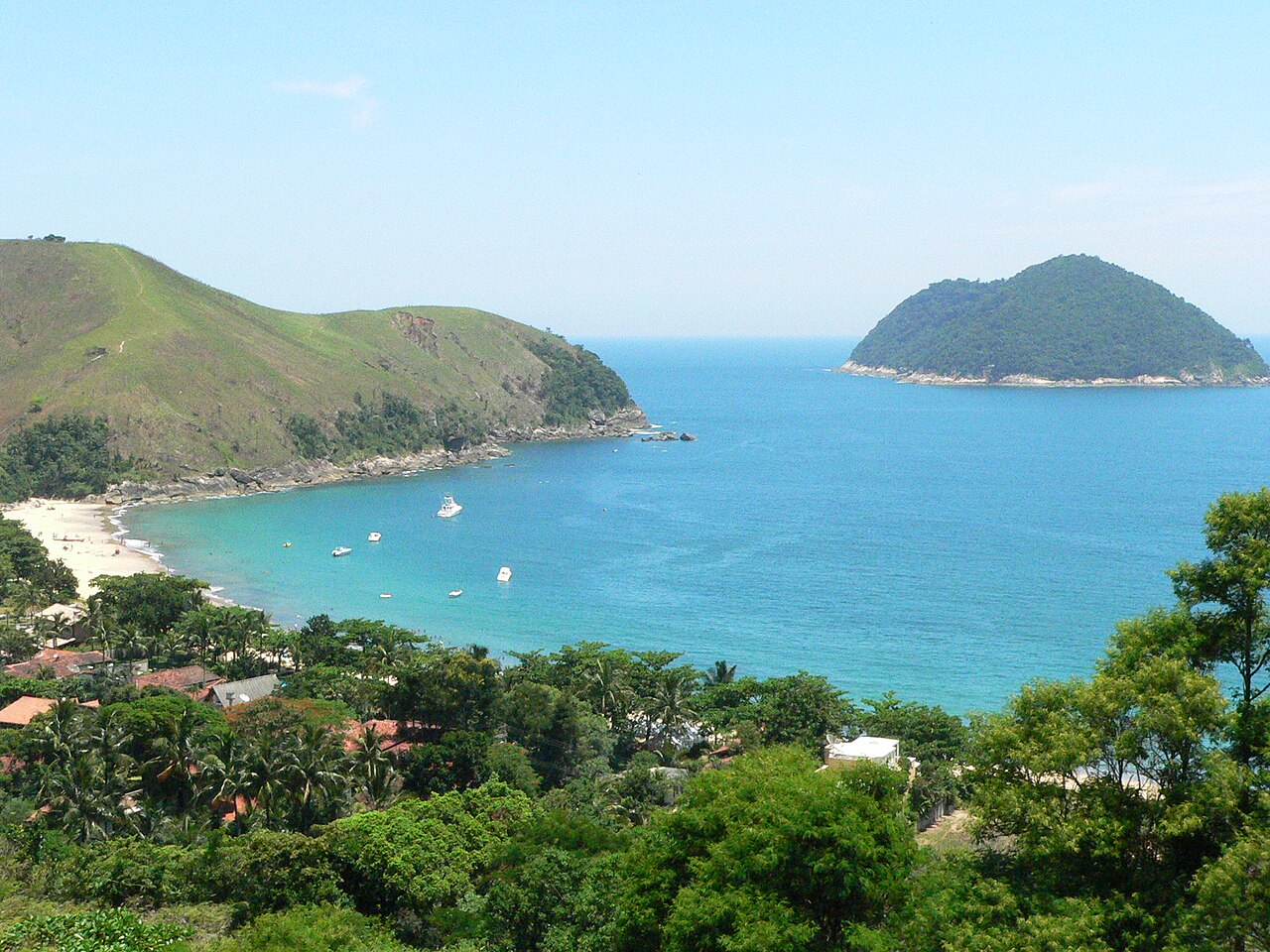
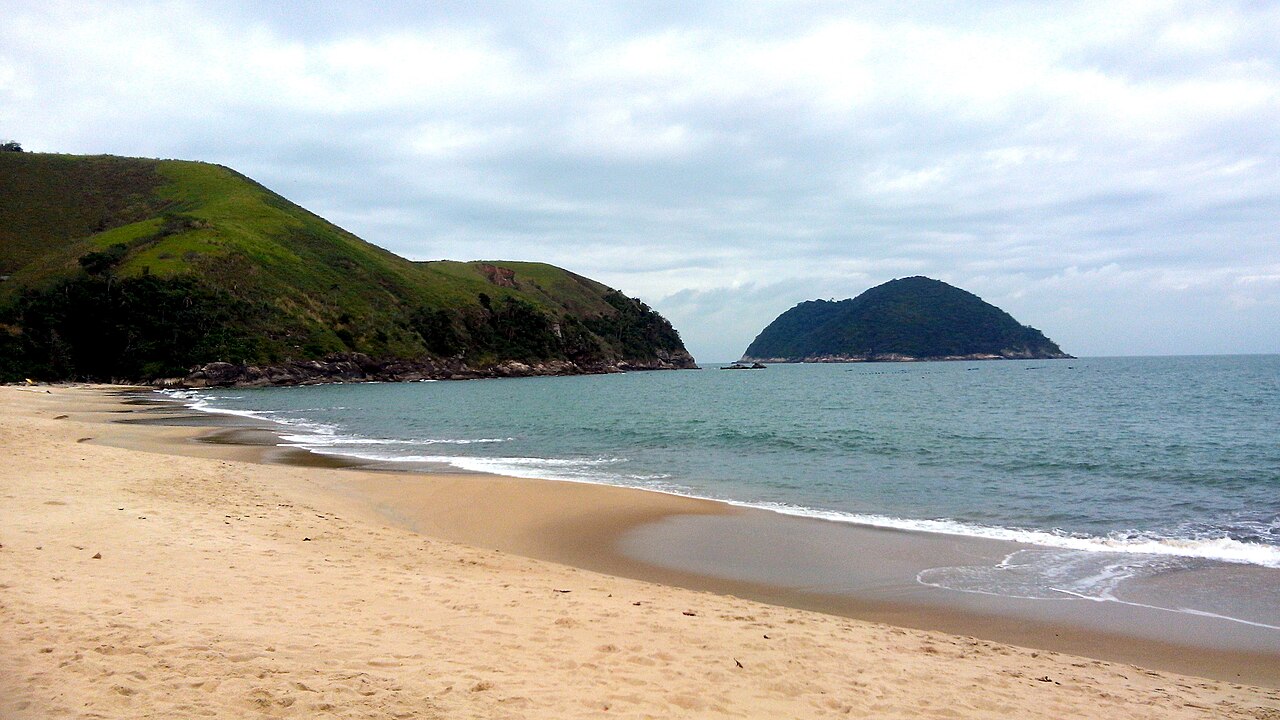
Praia de Toque-Toque Pequeno opens directly opposite the distinctive turtle profile of Ilha de Toque-Toque. This sheltered cove in the municipality of São Sebastião, on the northern coastline of São Paulo state in Brazil, sets the stage for Circuito Mares. Held in April, the sea swimming race invites competitors into an oceanic bay where panoramic views of the offshore island provide an ideal natural arena for water sports. Swimmers gather on the sand in the morning light, preparing to challenge the open water. The event is organized by Circuito Mares as part of an annual series featuring five distinct stages along the Brazilian seaboard. Participants can tackle one of four available distances: an introductory 500-metre sprint, a classic 1,000-metre course, a middle-distance 2,500-metre challenge, or a grueling 5,000-metre marathon.
All swim courses are marked with navigational buoys and run in a counter-clockwise direction through the bay. The competition forms the centrepiece of a multifaceted coastal sports festival. Alongside the open water swims, the event program features an aquathlon, standalone foot races, stand up paddle, and paddleboard competitions. Athletes racing in the aquathlon and running events tackle a demanding multi-surface course that alternates between soft sand along the shoreline, hard asphalt, and local paving blocks. The blend of endurance disciplines fills the shoreline with steady activity throughout the race weekend.
The beach water and the Sunday swim waves
Circuito Mares describes Praia do Toque-Toque Pequeno as a beach of about 1 km, known for calm sea most of the year, golden sand and crystal-clear water. According to São Sebastião's tourism guide, Toque-Toque Pequeno lies 18 km from the town centre, between the beaches of Santiago and Calhetas, with access at km 147 of the Rio-Santos highway. At certain times of year, after rain, a river cuts across the beach at Toque-Toque Pequeno, the São Sebastião tourism guide notes. The swims at this stage are named Challenge (5 km), Marathon (2.5 km), Short (1 km) and Start (500 m).
Canal de São Sebastião and the volcanic islands
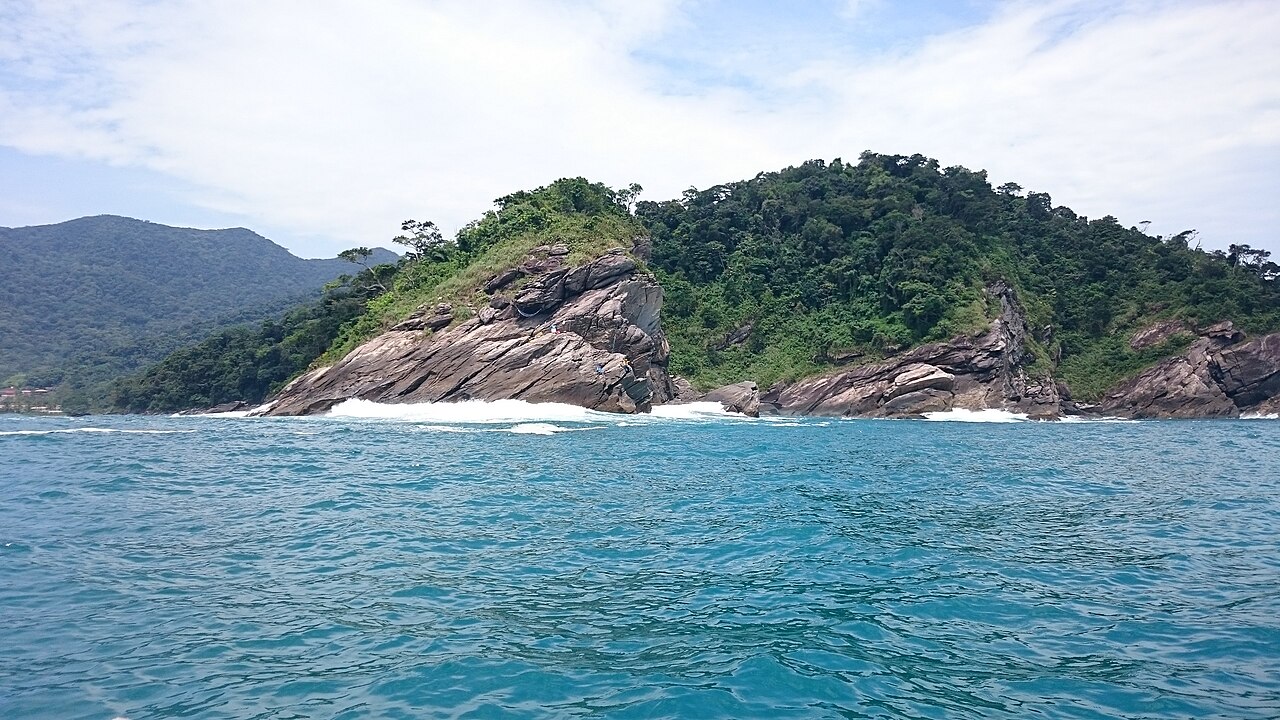
The islands distributed along the coastline of São Sebastião were created by ancient volcanic activity that shaped the coastal shelf. Seen from the continental shore, Ilha de Toque-Toque presents a rounded, low-slung silhouette that closely resembles a sea turtle resting on the ocean surface. Beyond the sheltered water of the bay lies the broader marine passage known as the Canal do Toque-Toque, which measures approximately 18 kilometres in length. The greater São Sebastião channel is an ocean sound spanning roughly 30 kilometres in length and narrowing to a minimum width of 2 kilometres between shores. The channel separates the mainland municipality from the massive landmass of Ilhabela, officially known as Ilha de São Sebastião. Swimming out into the bay places athletes directly against the open coastal elements. Every stroke pulls through salty ocean swells where the open Atlantic meets the sheltered channel waters.
Indigenous mounds and pirate shelters along Ilhabela
European exploration arrived in 1502, when the naval expedition of Gonçalo Coelho and Amerigo Vespucci sailed into the passage and bestowed the name of São Sebastião upon the main island. During the sixteenth and seventeenth centuries, the archipelago evolved into a strategic maritime haven. English, French, and Dutch pirates and privateers routinely used the hidden anchorages of the island as a refuge and supply station during raids across the South Atlantic. By the eighteenth century, maritime enterprise turned toward commercial whaling, leading to the construction of an oil-rendering station at Ponta das Canavieiras that operated continuously until around 1850. Agricultural heritage left an equally durable stamp on the nearby islands.
On Ilha de São Sebastião, about eleven kilometres across the channel from the race site, sugar cane cultivation took root during the seventeenth century. The historic Engenho São Mathias preserves this agrarian past, showcasing a colonial-style manor house linked directly to a functional mill with a water wheel, an on-site distillery, and aged storage vats. Sugar production proved so widespread that a 1912 cartographic survey documented twenty-seven distinct mills operating on the island, every single one of them dedicated to distilling traditional aguardente.
Reef life and seabirds along the Atlantic forest coast
The estate of Engenho São Mathias is associated with Praia da Feiticeira, a beach about eleven kilometres from Toque-Toque named after a local nineteenth-century figure accused of witchcraft. Measuring 250 metres in length, Feiticeira features a notably steep slope dropping quickly into the surf. Freshwater cascades shape the coastal boundary, with two natural waterfalls spilling into the terrain between the beach and the southern coastline, alongside an artificial waterfall engineered by former plantation owners that cascades directly onto the sand. The aquatic flora in these coastal shallows features rich populations of microalgae and macroalgae, including dense clusters of Sargassum and bright green sea lettuce. This underwater growth provides feeding grounds for tropical reef species, where swimmers who snorkel along the rocky margins encounter striped sergeant major damselfish, darting brown chromis, and colonial carpets of white encrusting zoanthids.
Above the waterline, magnificent frigatebirds glide along the sea breeze, scanning the water from overhead. Farther offshore lies the remote Alcatrazes Archipelago. This collection of jagged rocky outcrops is strictly protected within the Tupinambás Ecological Station, an environmental reserve where all public fishing and diving activities are completely prohibited to safeguard its fragile ecosystem. While the islands host the isolated Bothrops alcatraz pitviper, this venomous snake is entirely confined to the protected archipelago alongside two endemic frog species, Cycloramphus faustoi and Ololygon alcatraz, posing no hazard whatever to athletes swimming along mainland shores.
Barequeçaba and Guaecá: coves and Caiçara coastlines
The mainland shores around São Sebastião offer an extraordinary diversity of swimming settings. Just down the coast, Guaecá beach rests below steep hillsides cloaked in dense Atlantic Forest greenery. The water at Guaecá alternates between glassy calm and powerful breaking surf driven by heavy currents. For adventurous swimmers, the southern tip of Guaecá features footpaths running toward secluded rocky inlets, where sudden rains often leave swimming back across the coves as the only practical return route. Nearby Barequeçaba presents a gentler environment suited for relaxed training and post-race recuperation. Its wide shoreline features firm, dark sand well suited for barefoot walks, while the seabed shelves outward at an exceptionally gradual gradient, reaching only waist height twenty metres out from the water line.
Other nearby beaches across São Sebastião provide distinctive aquatic experiences. At Boiçucanga, also situated on the northern coast of São Paulo state, swimmers encounter crystal turquoise water, thick yellowish sand, and characteristically calm sea conditions. Further along the municipality at Juqueí beach, open water swimmers compete in the Volta do Parcel, an offshore race that starts and finishes on the sand after rounding an unnamed offshore skerry. Rising above the horizon sits Ilha Montão de Trigo, the single island within the borders of São Sebastião that maintains a permanent civilian settlement. Its resident population of fifty-two caiçaras preserves an enduring traditional way of life on the ocean edge. Finishing your race at Praia de Toque-Toque Pequeno leaves you standing on the shoreline sand with salt on your skin, looking out toward the turtle island and the waterways of coastal Brazil.
Sources: Barequeçaba · Guaecá
Course
Awards
- Age group awards
Standard Circuito Mares rules apply; typically includes age group categories.
How to get there
Circuito Mares 2026 — Toque-Toque Pequeno (São Sebastião)
Frequently asked questions
- When was the last edition of Circuito Mares 2026 — Toque-Toque Pequeno (São Sebastião)?
- The last edition of Circuito Mares 2026 — Toque-Toque Pequeno (São Sebastião) took place on April 11, 2026.
- What distances does Circuito Mares 2026 — Toque-Toque Pequeno (São Sebastião) offer?
- Circuito Mares 2026 — Toque-Toque Pequeno (São Sebastião) offers 500 m, 1 km, 2.5 km, and 5 km.
- How much is the entry fee for Circuito Mares 2026 — Toque-Toque Pequeno (São Sebastião)?
- The entry fee is 260 BRL. registration closed
- Where does Circuito Mares 2026 — Toque-Toque Pequeno (São Sebastião) take place?
- Circuito Mares 2026 — Toque-Toque Pequeno (São Sebastião) is a sea swim. Location: Praia de Toque-Toque Pequeno, São Sebastião, São Paulo, Brazil.
- How do I register for Circuito Mares 2026 — Toque-Toque Pequeno (São Sebastião)?
- The reference page for registering for Circuito Mares 2026 — Toque-Toque Pequeno (São Sebastião) is https://www.circuitomares.com.br/.
Where to stay
Accommodations in Toque-Toque Pequeno focus on low-impact, coastal charm rather than large-scale resorts. You will find secluded pousadas, renovated fishermen’s cottages, and boutique guesthouses tucked between the hills and the sand. During the race weekend, prices for a double room typically range from R$ 450 to R$ 900 per night. Given the limited footprint of the village, booking several months in advance is recommended to stay within walking distance of the start line.
Things to do nearby
The weekend is best spent exploring the natural heritage of the Serra do Mar. Beyond the race, the area offers guided kayak and stand-up paddleboarding tours, ideal for exploring the calm, shallow waters of the surrounding bays. For those preferring land-based activities, there are numerous trails through the Atlantic Forest, offering views of the coastline from above. In the evenings, the local culinary scene highlights fresh, artisanal seafood, reflecting the traditional fishing culture of the São Sebastião region.
Swimmers
Other stages of this series
- Circuito Mares — Ubatuba (Praia da Enseada)Ubatuba, BR
- Circuito Mares 2026 — Caraguatatuba (fevereiro)Caraguatatuba, BR
- Circuito Mares 2026 — Caraguatatuba (junho)Caraguatatuba, BR
- Circuito Mares - Etapa 4/5Ilhabela, BR
- Circuito Mares — VitóriaVitória, BR
Similar races


Comments
Transparency: some links on this page (stays, flights, experiences, gear) are affiliate links — if you book or buy through them, Omniathlon may earn a commission from the partner at no extra cost to you. As an Amazon Associate we earn from qualifying purchases.