
XXIII Cruce del Yaguaron
- Nov 29, 2026
- Distances from 2km to 8km
At a glance
- Next edition date
- November 29, 2026
- Distances
- 2 km · 3 km · 8 km
- Where
- River · Yaguaron, San Nicolás de los Arroyos, Buenos Aires, Argentina
- Entry fee
- 120,000 ARS
- Registration
- preventus.zapto.org
About the race
Where the boundary waters of Arroyo del Medio meet the vast corridor of the Paraná, the river divides around Isla Ballesteros into a tranquil side channel named the Yaguarón. In this quiet river branch in San Nicolás de los Arroyos, located within Buenos Aires Province, the Cruce del Yaguaron has become a celebrated annual open water swimming event. Swimmers gather here in late November to test their endurance against the moving currents of the river course. Organized by Club Belgrano, the competition stands as a classic gathering for regional distance swimmers. The event features two river courses: an 8-kilometer competitive journey and a 3-kilometer integration distance. Swimmers move steadily downstream, aligning their breathing with the steady pull of the channel as the banks glide past.
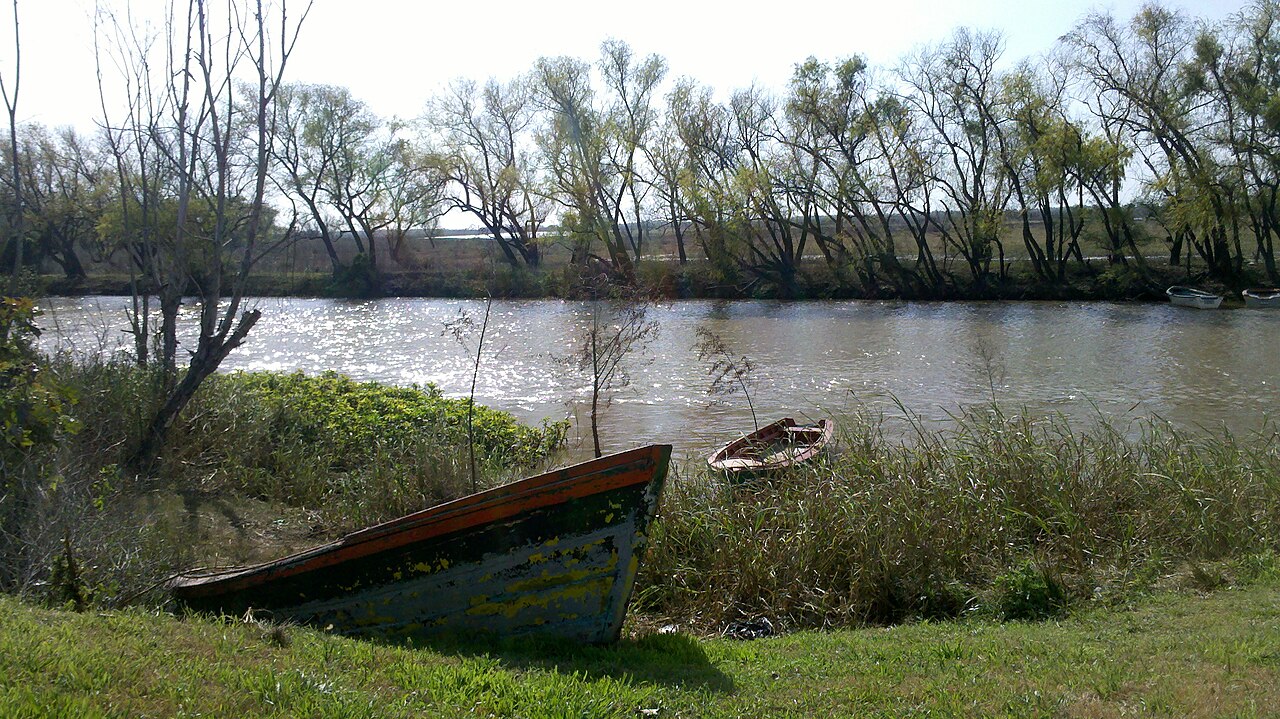
Isla Ballesteros and the waterways of Arroyo del Medio
The waterway that hosts the race is intimately tied to the regional border geography of the Argentine littoral. The Arroyo del Medio marks the boundary line separating the provinces of Buenos Aires and Santa Fe. This river drains a catchment basin covering approximately 3,200 square kilometres before it discharges into the Paraná River at San Nicolás de los Arroyos. The Yaguarón stream constitutes the final arm of this river system, defining natural geographical limits. Isla Ballesteros sits directly between the main channel of the Paraná Guazú river and the Yaguarón stream. The watercourse draws its heritage from native Guaraní traditions associated with the riverbed. Geologically, the surrounding basin exhibits low seismicity linked to deep sub-faults of the Paraná and Río de la Plata, with a notable historical earthquake recorded here on June 5, 1888.
Just outside the sheltered arm of the Yaguarón, the primary river handles heavy maritime traffic. About six kilometres from the race venue, the Puerto de San Nicolás de los Arroyos occupies the western bank of the lower Paraná at kilometer 343. Its navigation channel is maintained to a depth of 34 feet, allowing deep-draft vessels to sail up from the Argentine Sea by way of the Río de la Plata. In 2013, the port expanded its operational capacity when the North Pier was extended by 250 meters with reinforced concrete pavement.
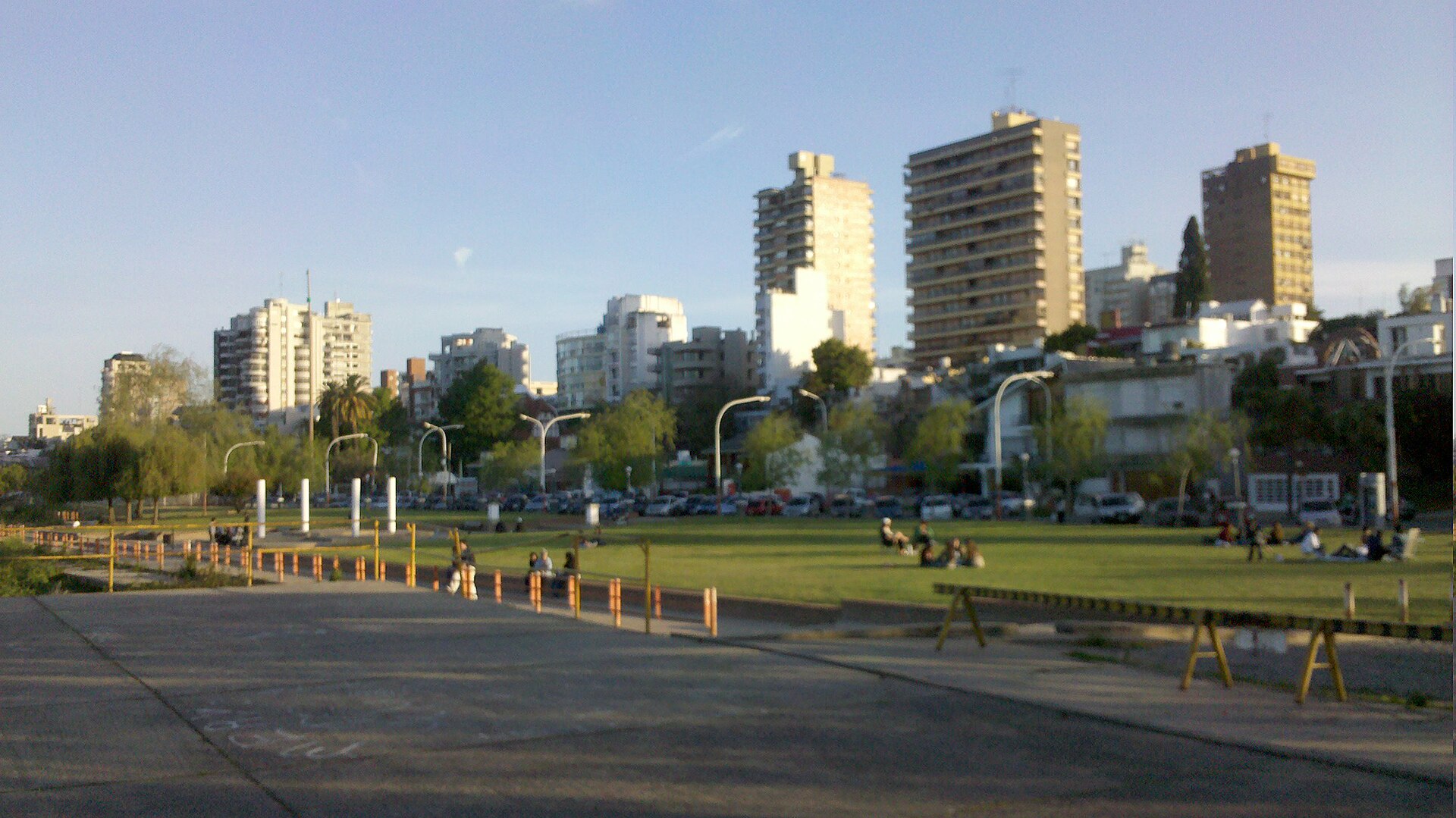
San Nicolás channel: naval battles and river ambushes of 1811
The narrow aquatic channel formed by the river island off San Nicolás shaped historic naval navigation. About nine kilometres from the race area, the Paraná River witnessed the Battle of San Nicolás on March 2, 1811. On the night of March 1, 1811, a violent southwest pampero wind swept over the Paraná, tearing ships loose from their moorings and causing anchors to drag across the river bottom. During the ensuing battle within the narrow channel, maneuvering proved treacherous as two royalist brigs ran hard aground on the island's sandbank. The patriot ship Americana suffered severe structural hull damage, forcing its crew to abandon the vessel as water filled the hold.
River warfare continued to trouble this waterway the following year. In July 1812, privateers slipped unnoticed past the coastal battery at Punta Gorda, and by July 31 they succeeded in capturing merchant vessels at the mouth of the Colastiné River. Just days later, on August 4, 1812, the sumaca Dolores managed to recover a convoy near Bajada del Paraná. The conflict reached the local harbor directly in the spring of that year. On October 9, 1812, about one kilometre from where swimmers race today, a royalist squadron of five armed ships dropped anchor at the port of San Nicolás de los Arroyos. A landing party of 150 soldiers carrying seven artillery pieces came ashore at two distinct landing points along the town coast. The following day, a second squadron comprising a brig, a schooner, and a felucca pushed up the Río de la Plata into the Paraná corridor.
Ecoparque San Nicolás: protected wetlands and island wilderness
Today, the riverfront is characterized by environmental protection and native wetland habitats. Bordering the water along the city bluffs, the local natural reserve of Ecoparque San Nicolás spans approximately 1,500 hectares of protected land. This territory encompasses river cliffs, wetlands, and small delta islands, preserving the wild river landscape. A dedicated trail system winds through Rafael de Aguiar Park, providing pedestrian paths across the 1,500-hectare protected zone. Further along the delta network, about fourteen kilometres from the race area, lies the Reserva municipal Isla del Sol. This island sanctuary covers around 330 hectares in the Paraná River delta. Formerly known as Isla Cafferata, the land was once utilized as an urban waste disposal site before being cleared and converted into a municipal ecological reserve.
That delta reserve preserves a typical riparian ecosystem dominated by groves of native willow and alder trees. The local plant community also includes river roses, curupíes, espinillos, peguajó plants, and flowering ceibos. Across the waterways and quiet reedbeds of that island habitat, native semi-aquatic wildlife flourishes, with populations of capybaras and coypus roaming the wetland margins.
Paseo Costanero: river ravines, floating bridges, and El Arenal
The city interacts with the water along the high bluffs. This scenic coastal promenade runs along the crest of the ravine, offering open panoramas over the Yaguarón stream and the broader expanse of the Paraná River. Perched upon one of the highest bluffs in the city, Parque San Martín forms an elevated natural balcony looking out over the water. The historic Bajada de calle Belgrano, a classic public staircase, links the urban center directly down to the riverfront level. At the water's edge, contemporary municipal landmarks celebrate the river. The promenade is home to "Te busco", an imposing 4.5-meter-tall sculpture representing the community's choice to turn its civic life toward the water.
Nearby, Rio Bar operates an open-air deck that extends over the lagoon shore, serving breakfast, lunch, and dinner to visitors taking in the view of the river. From the coastal edge, visitors and swimmers can access the wide sandbanks of the Paraná River. A floating bridge provides pedestrian access from the city promenade to the beaches of Barranquitas and El Arenal. These river beaches offer a relaxing shoreline retreat on the sand, looking out over the moving water of the Paraná after a long morning of swimming.
Sources: San Nicolás de los Arroyos · Asalto y saqueo de San Nicolás · Arroyo del Medio
Course
Integration race held in the Yaguaron river, San Nicolás de los Arroyos.
Competitive race held in the Yaguaron river, San Nicolás de los Arroyos.
Awards
- Age group awards
Awards for General classification and Age Categories.
Aid stations
Hydration provided at official stations.
How to get there
XXIII Cruce del Yaguaron
Frequently asked questions
- When is XXIII Cruce del Yaguaron?
- XXIII Cruce del Yaguaron takes place on November 29, 2026.
- What distances does XXIII Cruce del Yaguaron offer?
- XXIII Cruce del Yaguaron offers 2 km, 3 km, and 8 km.
- How much is the entry fee for XXIII Cruce del Yaguaron?
- The entry fee is 120,000 ARS. Prices in ARS. Includes insurance, t-shirt, cap, cereal bar, hydration, medal, transport to start, and medical/lifeguard assistance.
- Where does XXIII Cruce del Yaguaron take place?
- XXIII Cruce del Yaguaron is a river swim. Location: Yaguaron, San Nicolás de los Arroyos, Buenos Aires, Argentina.
- How do I register for XXIII Cruce del Yaguaron?
- The reference page for registering for XXIII Cruce del Yaguaron is https://preventus.zapto.org/drey/cruce/control_inscripcion_CRUCE_dni_2025/.
Where to stay
San Nicolás offers a mix of modest urban hotels and comfortable guesthouses near the riverfront, catering to those who prefer proximity to the club’s base. You will find several regional hotels and boutique stays in the city center within walking distance of the port, with rates typically ranging from $40 to $90 per night depending on the level of service. For a more relaxed atmosphere, some visitors opt for local lodges situated slightly further along the riverbank.
Things to do nearby
The area is defined by its strong historical ties to the independence movement. Beyond the race, you can explore the preserved colonial architecture in the city center or visit the sites associated with the 1852 national pact. The riverfront is the hub for local activity; many swimmers spend their post-race hours at regional riverside grills, known as parrillas, or take to the water in kayaks to explore the quieter branches of the Paraná delta, which offer a sharp contrast to the main channel's current.
Swimmers
Similar races



Comments
Transparency: some links on this page (stays, flights, experiences, gear) are affiliate links — if you book or buy through them, Omniathlon may earn a commission from the partner at no extra cost to you. As an Amazon Associate we earn from qualifying purchases.