
El Cruce Cancún–Isla Mujeres
- May 15, 2027
- Distances from 1.9km to 10km
At a glance
- Next edition date
- May 15, 2027
- Distances
- 1.9 km · 3.8 km · 10 km
- Where
- Sea · Playa Caracol, Cancún, Quintana Roo, Mexico
- Entry fee
- 1.9 km: 190 USD · 3.8 km: 190 USD · 10 km: 299 USD
- Registration
- elcruce.mx
About the race
Along the coast of Quintana Roo, Mayan mariners built structures for navigation and commerce. The 21ª El Cruce Cancún–Isla Mujeres is an open water swimming race in the sea of Cancún and Isla Mujeres, setting out from the beach of Playa Caracol in Quintana Roo, Mexico. Organized by El Cruce Cancún, the event draws open water swimmers to test their stroke across the wide channel stretching toward the offshore island. The Cruce Completo takes place on Sunday in May, guiding athletes through open sea waters that demand sustained pacing, endurance, and navigation across the rolling ocean swell. The racing weekend gets underway on Saturday with two shorter sea courses: the Half Iron Swim over 1,900 metres and the Iron Swim covering 3,800 metres.
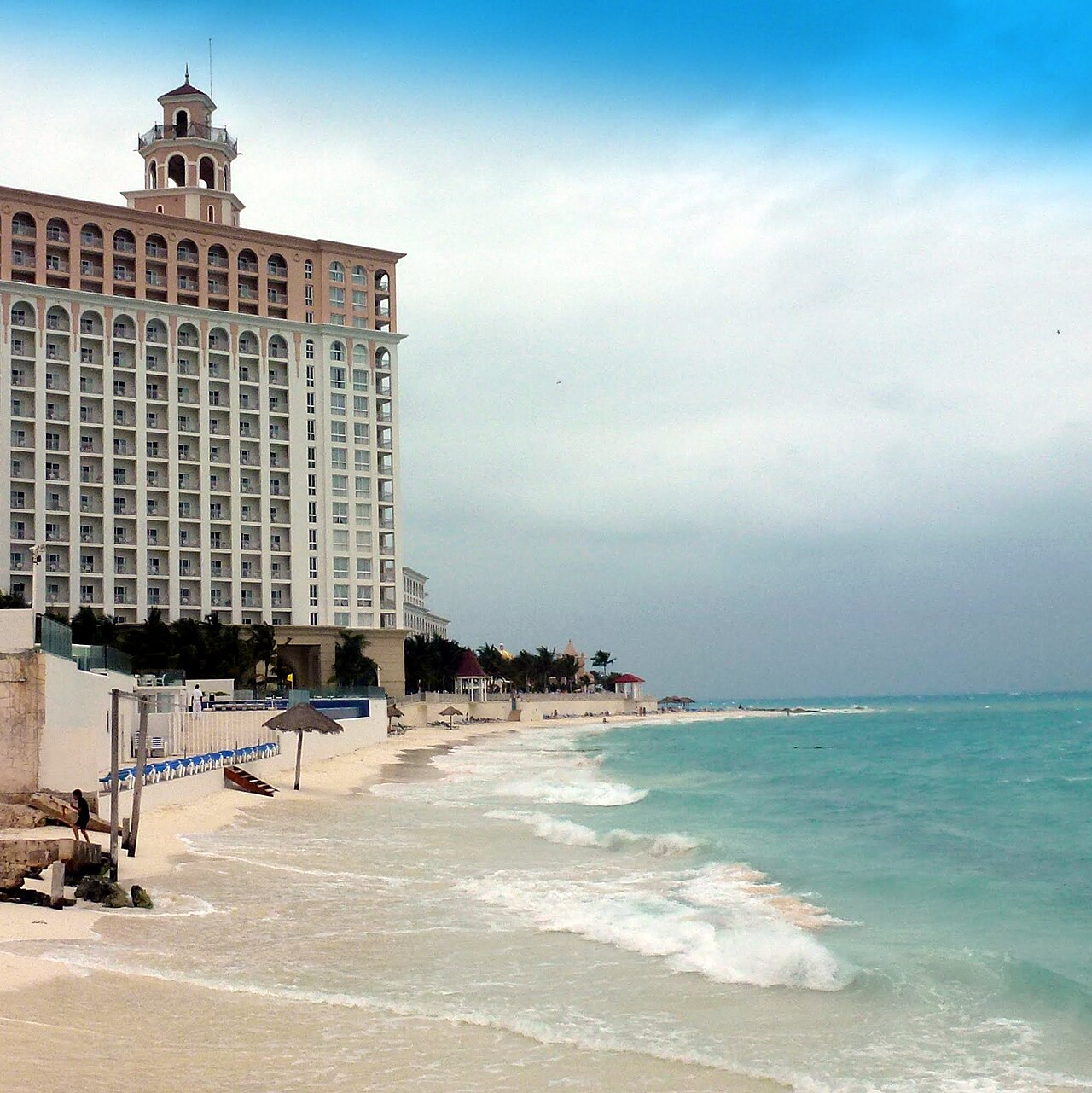
Both of these Saturday events share a time limit of two hours and thirty minutes, giving participants plenty of room to settle into an ocean rhythm. Swimmers launch directly from the sand of Playa Caracol, pacing themselves through rolling Caribbean waters before heading into the finish chute.
The Cruce Completo route: from Playa Caracol to Albatros
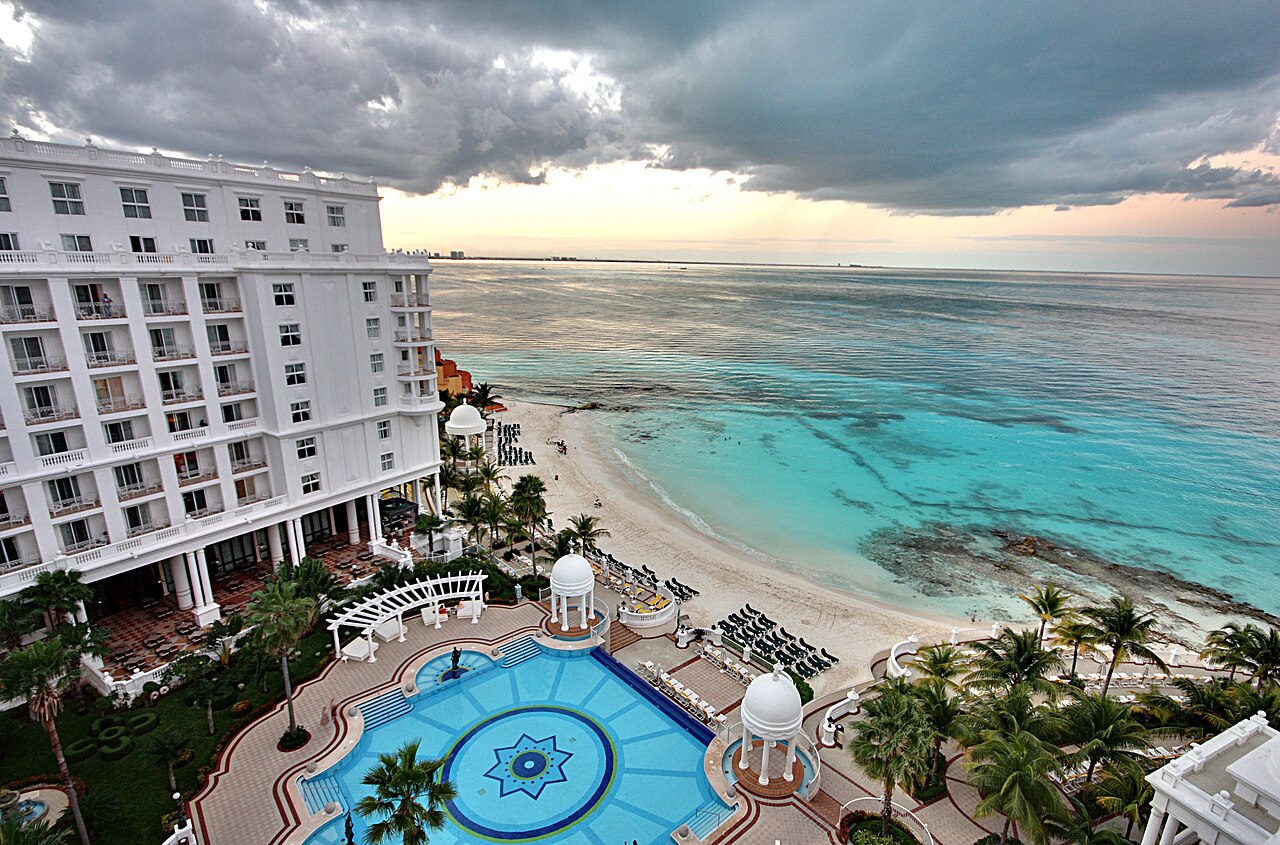
The 2026 Cruce Completo finished at the Club de Playa Albatros on Isla Mujeres. Large boats mark the first kilometres of the Cruce Completo and act as reference points, and boats with yellow flags are anchored along the way to guide swimmers. Along the crossing the bottom stays visible for almost 90% of the swim, in depths of 3 to 12 metres, and the MUSA underwater museum lies submerged at 8 metres. Water temperatures at Cancún are around 28 °C (82 °F), which is why wetsuits are not allowed in El Cruce. Swimmers in the Half Iron Swim and the Iron Swim face about 1 km of swimming against the current. At the start of the 21st edition in 2026, the women's group left first after a Maya ceremony, and the men followed minutes later.
The Mesoamerican Reef off Punta Cancún and Isla Mujeres
The crossing takes place within the wider ecological context of the Parque Nacional Costa Occidental de Isla Mujeres, Punta Cancún y Punta Nizuc, located about five kilometres from the race area. This marine park forms part of the Mesoamerican Reef System, recognized as the second largest barrier reef in the world. At the southern end of Cancun Island, Punta Nizuc forms a land projection that has been declared a protected area due to its ecological importance. The waters around Punta Nizuc contain rich coral formations and mark the beginning of the reef barrier running parallel to the eastern coast of the Yucatan Peninsula. About five kilometres from the race area, the surface water within the national park remains warm throughout the entire year, shifting gently between mild winter conditions and higher summer temperatures.
Beneath the surface, the marine park protects 35 species of stony corals and 37 species of soft corals across the seabed. The offshore waters also hold the 'Cave of the Sleeping Sharks', a marine cave discovered around 1950 by local diver Carlos García Castilla and later visited by Jacques Cousteau. The islets of Punta Cancún are situated about five kilometres from the race area. These small islets host the only national record in Mexico for both the brown noddy and the black noddy seabirds. Farther down on the seabed within the national park lie the submerged hulls of the shrimp boat El Triunfador and the fishing boat Las Redes, both sunk in September 1988 by the force of Hurricane Gilbert.
Maya navigation shrines from Ni'Ku' to Yamil Lu'um
Under one kilometre from the starting beach at Playa Caracol, the archaeological site of Ni'Ku' sits on a small rocky cliff facing the open sea. The ancient structures at Ni'Ku' functioned as lighthouses for pre-Hispanic sailors navigating coastal trade networks. Its two remaining temple-shrine buildings were carefully oriented to mark sunsets on specific ritual dates. Following the arrival of the Spanish conquistadors, the settlement at Ni'Ku' was abandoned due to economic collapse and severe population losses caused by introduced diseases. Today, the preserved ruins of Ni'Ku' stand within the private grounds of a hotel complex along the shore. About two kilometres from the race area, the archaeological site of Pok Ta Pok sits near the Nichupté lagoon in the hotel zone of Cancun.
Dating back to the late postclassic period, the site consists of two structures built in the East Coast architectural style. Structure 1 features a stone platform with wall remains that outline a room with an entrance framed by two columns. The ruins of Pok Ta Pok now stand within the grounds of a golf course, while nearby archaeological remains include Yox Xixim, located directly on the beach. About three kilometres from the race area, the archaeological site of Yamil Lu'um sits directly on the beach coast of Cancún. The site occupies a beach rock cliff that represents the highest natural point along the entire Cancún shoreline. Its stone buildings were constructed between 1200 and 1550 AD and include the Scorpion's Temple, which is believed to have functioned as a pre-Columbian lighthouse facing the ocean. Like other settlements in the region, Yamil Lu'um remained inhabited until the sixteenth century.
El Meco and El Rey: ancient ports of the channel
About ten kilometres from the race area on the mainland coast lies the archaeological site of El Meco, which grew into an important Mayan maritime trade port on the Caribbean coast. The settlement was originally founded as a fishing outpost, and its ancient name Beel'maan means 'trade canal', reflecting its brisk commercial exchange. Its position served as a vital navigation marker for coastal maritime travel as well as for boats navigating the adjacent lagoon system. Given its strategic location facing directly across the channel, El Meco likely served as the main connection port linking mainland travelers to Isla Mujeres. The site is anchored by El Castillo, a principal pyramid that stands as the tallest pre-Hispanic building on the East Coast of Quintana Roo and faces directly toward the sea.
Toward the southern end of Cancun Island, about nine kilometres from the starting beach, the archaeological site of El Rey sits directly on the Caribbean coast. Between 200 and 1200 AD, its residents sustained themselves through fishing and salt extraction. El Rey functioned as an active port within the coastal trade network of the Caribbean before being abandoned by the Maya in the sixteenth century following the arrival of the Spanish.
Punta Cancún lighthouse and the headlands of Punta Sam
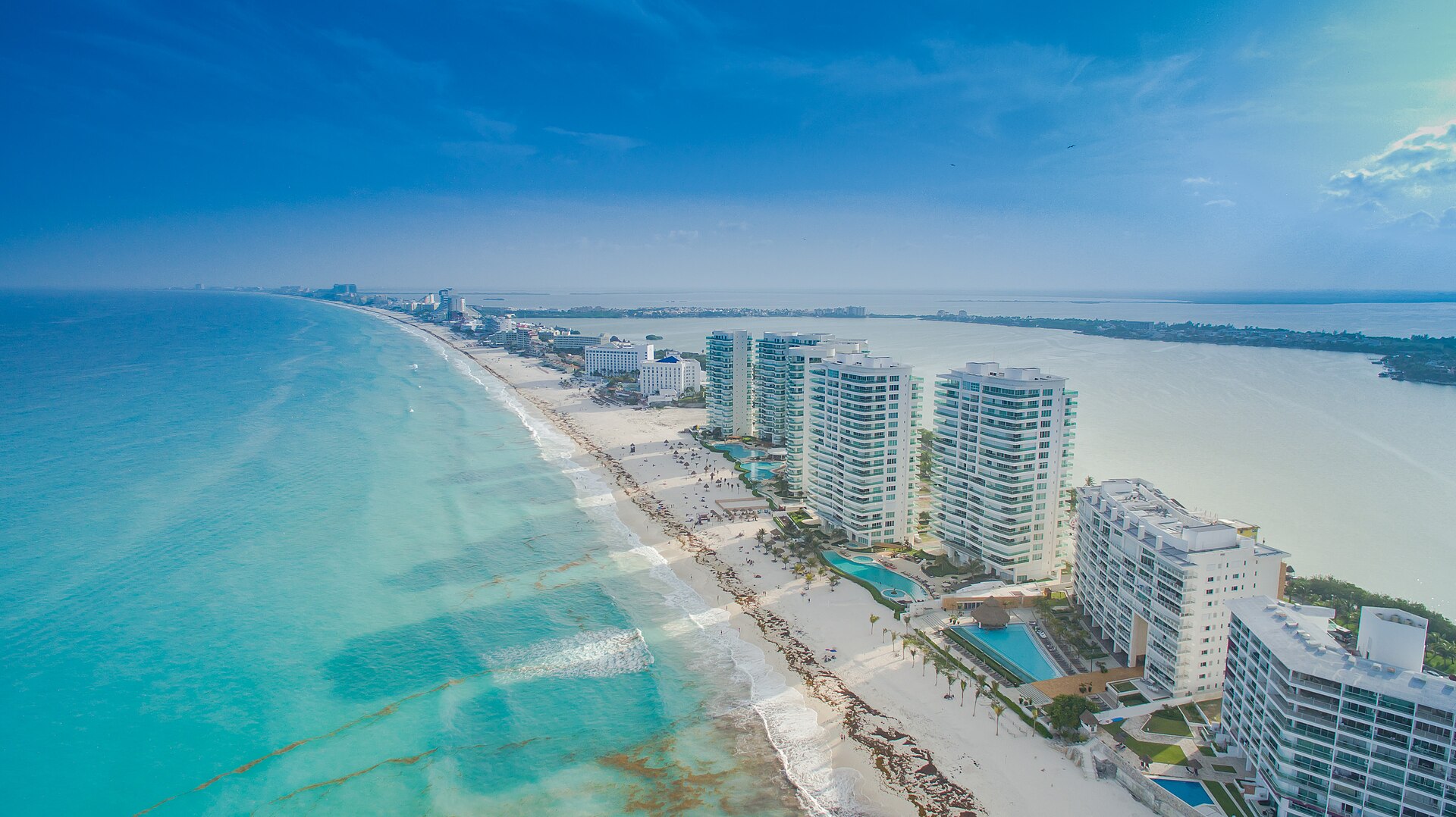
The Punta Cancun Lighthouse stands under one kilometre from the race area. Constructed in 1970, the tower stands 157 feet tall. Inland from the barrier beaches, the expansive Nichupté lagoon system spans seven separate water bodies: Bojórquez, North Basin, Central Basin, South Basin, Río Inglés, Del Amor, and Laguneta del Mediterráneo. Across the water to the northwest, the coastal tourist locality of Punta Sam lies on the Caribbean coast facing Isla Mujeres. Today, a passenger ferry service to Isla Mujeres operates directly from the beach at Punta Sam, tracing the water route that connects the mainland to the island. Just southwest of Punta Sam are the archaeological sites of El Meco and El Cerrito. For swimmers taking on the 10,000-metre journey from Playa Caracol to Isla Mujeres, every stroke through the Caribbean sea retraces the historic maritime connections that have linked this mainland shore to the island for centuries.
Sources: Cancún · Parque nacional Costa Occidental de Isla Mujeres, Punta Cancún y Punta Nizuc · Pok Ta Pok · Ni'Ku' · Yamil Lu'um · Punta Cancun Lighthouse
Course
Half Iron Swim distance, held on Saturday.
Iron Swim distance, held on Saturday.
Full crossing from Cancun to Isla Mujeres, held on Sunday. Requires specific qualification standards.
Previous editions
How to get there
The event takes place between Cancún and Isla Mujeres. Return transport to Cancún is included for Full Crossing participants.
El Cruce Cancún–Isla Mujeres
Frequently asked questions
- When is El Cruce Cancún–Isla Mujeres?
- El Cruce Cancún–Isla Mujeres takes place on May 15, 2027.
- What distances does El Cruce Cancún–Isla Mujeres offer?
- El Cruce Cancún–Isla Mujeres offers 1.9 km, 3.8 km, and 10 km.
- How much is the entry fee for El Cruce Cancún–Isla Mujeres?
- Entry fees by distance: 1.9 km: 190 USD · 3.8 km: 190 USD · 10 km: 299 USD. 2027 edition prices listed on official registration platform RaceID
- Where does El Cruce Cancún–Isla Mujeres take place?
- El Cruce Cancún–Isla Mujeres is a sea swim. Location: Playa Caracol, Cancún, Quintana Roo, Mexico.
- How do I register for El Cruce Cancún–Isla Mujeres?
- The reference page for registering for El Cruce Cancún–Isla Mujeres is https://www.elcruce.mx/.
Where to stay
Accommodations in the Hotel Zone range from large-scale luxury resorts to boutique hotels situated along the harbor. For a more authentic feel, some swimmers opt for private rentals or small inns near the ferry terminals, which offer easier access to the morning transport for Isla Mujeres. Prices typically fluctuate between $120 and $450 per night depending on proximity to the water and the level of service.
Things to do nearby
The weekend offers opportunities to explore the local Mayan heritage through guided visits to coastal archaeological ruins or by engaging in water-based activities like kayaking and SUP in the Nichupté lagoon system. Beyond the competition, the area is known for its culinary scene, where you can find authentic regional tastings, or you can join eco-tours focused on the conservation of the local reef systems and marine life.
Swimmers
Similar races


Comments
Transparency: some links on this page (stays, flights, experiences, gear) are affiliate links — if you book or buy through them, Omniathlon may earn a commission from the partner at no extra cost to you. As an Amazon Associate we earn from qualifying purchases.