
Fuga da Ilha Grande
- Nov 8, 2026
- Distances from 13km to 13km
At a glance
- Next edition date
- November 8, 2026
- Distances
- 13 km
- Where
- Sea · Ilha Grande, Angra dos Reis, Rio de Janeiro, Brazil
- Entry fee
- 800 BRL
- Registration
- inscricaomasf.com
About the race
Escaping from Ilha Grande across the open sea to the mainland was once the desperate dream of inmates held in Brazil's offshore maximum-security penitentiary. Today, that oceanic crossing has been transformed into Fuga da Ilha Grande, a long-distance open water swimming race held in the sheltered waters of Angra dos Reis in Rio de Janeiro, Brazil. The event draws directly from the island's isolation, echoing the spirit of the Alcatraz Open Swim held in San Francisco Bay, but exchanging freezing currents for a tropical passage through the South Atlantic. The challenge centers on a demanding 13-kilometre course held each November, open to both solo marathon swimmers and relay teams. Swimmers assemble on the beach at Enseada do Bananal, wading into calm, transparent waters that shift through luminous shades of blue.
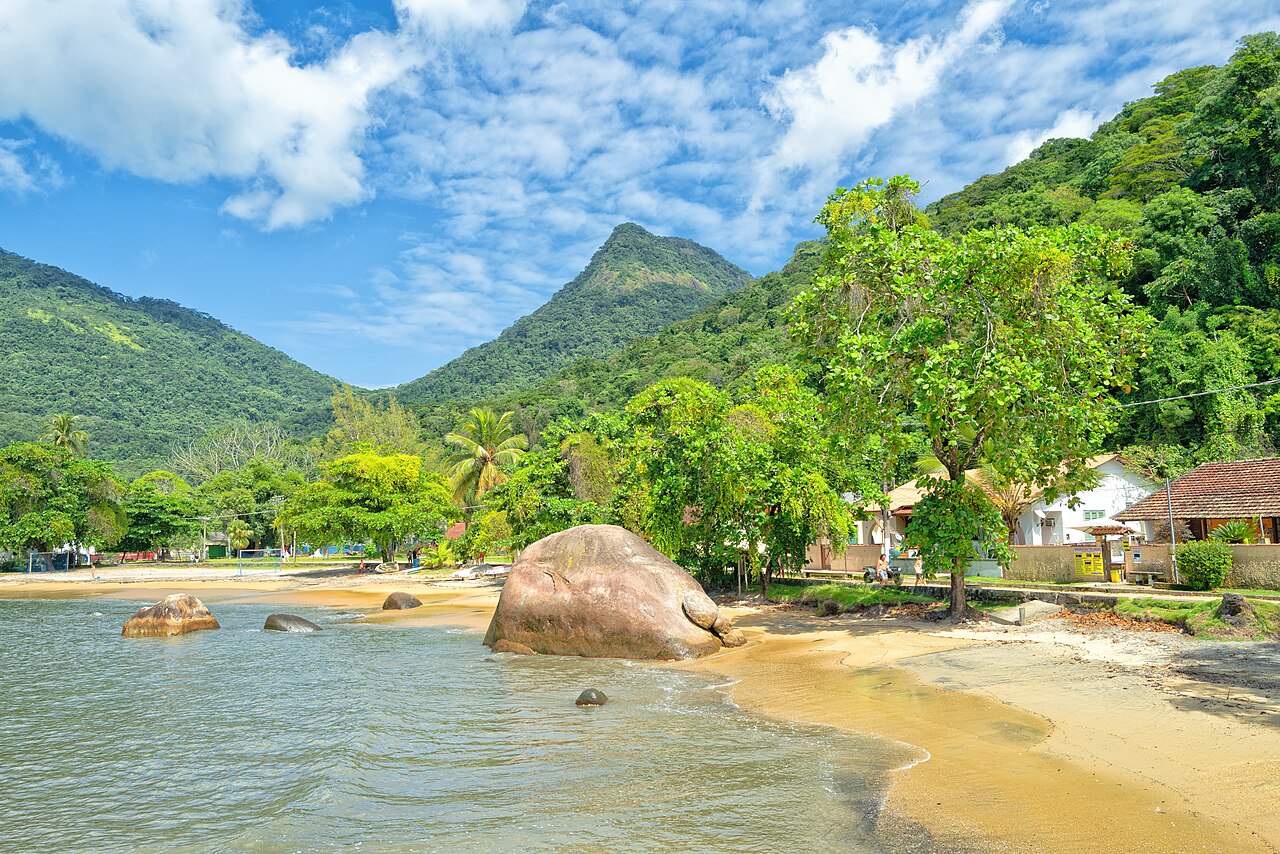
Setting out across the channel requires a balance of physical stamina, tactical pacing, and mental resolve. With every stroke through the crystal-clear water, participants feel the untamed energy of the maritime surroundings, making the crossing a personal test and a transformative celebration of open water. The event is organized by Maratona Aquática Sem Fronteiras, a circuit active in Brazilian marathon swimming since 2014. In a past edition, swimmers tackled a 12.5-kilometre route across the bay of Angra dos Reis before the course was established at its present 13-kilometre distance.
Ilha Grande Bay: convergence currents and marine sanctuaries
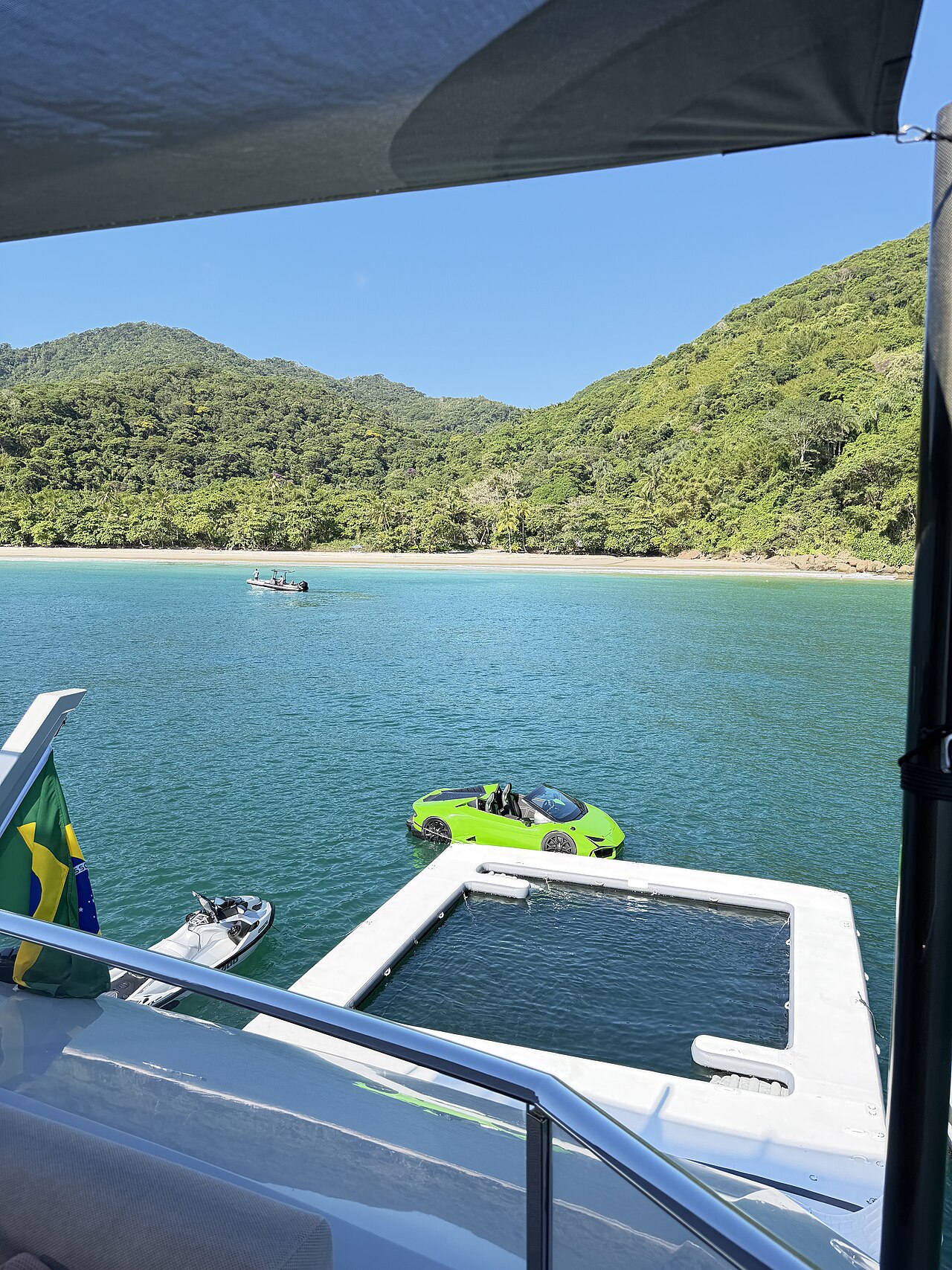
Ilha Grande lies 12 kilometres off the Atlantic coast of Angra dos Reis, nestled inside a sprawling 900-square-kilometre bay that shelters more than a hundred islands. The basin forms a complex marine crossroads where tropical, subtropical, and temperate currents converge. This colliding flow of distinct water masses creates a remarkably rich aquatic ecosystem, supporting vibrant patches of coral, passing cetaceans, and endangered hawksbill sea turtles. While pelagic species such as sharks move through the deeper offshore waters surrounding the archipelago, swimmers along the protected race route experience serene, transparent conditions inside the sheltered coves. Extensive mangrove forests form productive brackish ecosystems. These tangled root networks act as vital nurseries for countless varieties of fish and shellfish.
From prehistoric divers to penal colony: Ilha Grande
Human interaction with these coastal waters long predates European arrival. Archaeological digs in Ilha Grande State Park, about 7 km from the race area, have unearthed stone tools and sambaquis shell middens dating back 3,000 years. Among the prehistoric remnants in the Praia do Sul Biological Reserve, about 13 km from the race area, archaeologists uncovered the 3,000-year-old skeleton of an early inhabitant whose bone structure reveals anatomical adaptations typical of a skilled deep diver and rower. European navigators first charted these shores on January 6, 1502, when Portuguese captain Gaspar de Lemos steered his vessel into the bay. Over subsequent centuries, the island's isolation led authorities to build quarantine facilities for incoming immigrants and, eventually, a maximum-security prison intended to cut inmates off entirely from the mainland.
In Ilha Grande State Park, about 7 km from the race area, stone walking tracks, an aqueduct, a lighthouse, and the ruins of two correctional facilities stand as reminders of that grim era, which ended when the penitentiary was permanently closed in 1994. Rather than a place of confinement, the archipelago has evolved into a celebrated nature refuge, earning recognition alongside Paraty as a UNESCO World Heritage Site in 2019.
The Atlantic rainforest of Ilha Grande State Park
Conservation efforts widened in 1982 with the founding of the Tamoios Environmental Protection Area, which safeguards the surrounding waters and offshore isles. Additional sanctuaries, including the strictly preserved Praia do Sul Biological Reserve and the Aventureiro Marine State Park, protect untouched coastal mangroves, otters, and visiting shorebirds. Deep caves harbor resident colonies of bats, which take flight en masse at sunset to feed.
Vila do Abraão and the caiçara coast
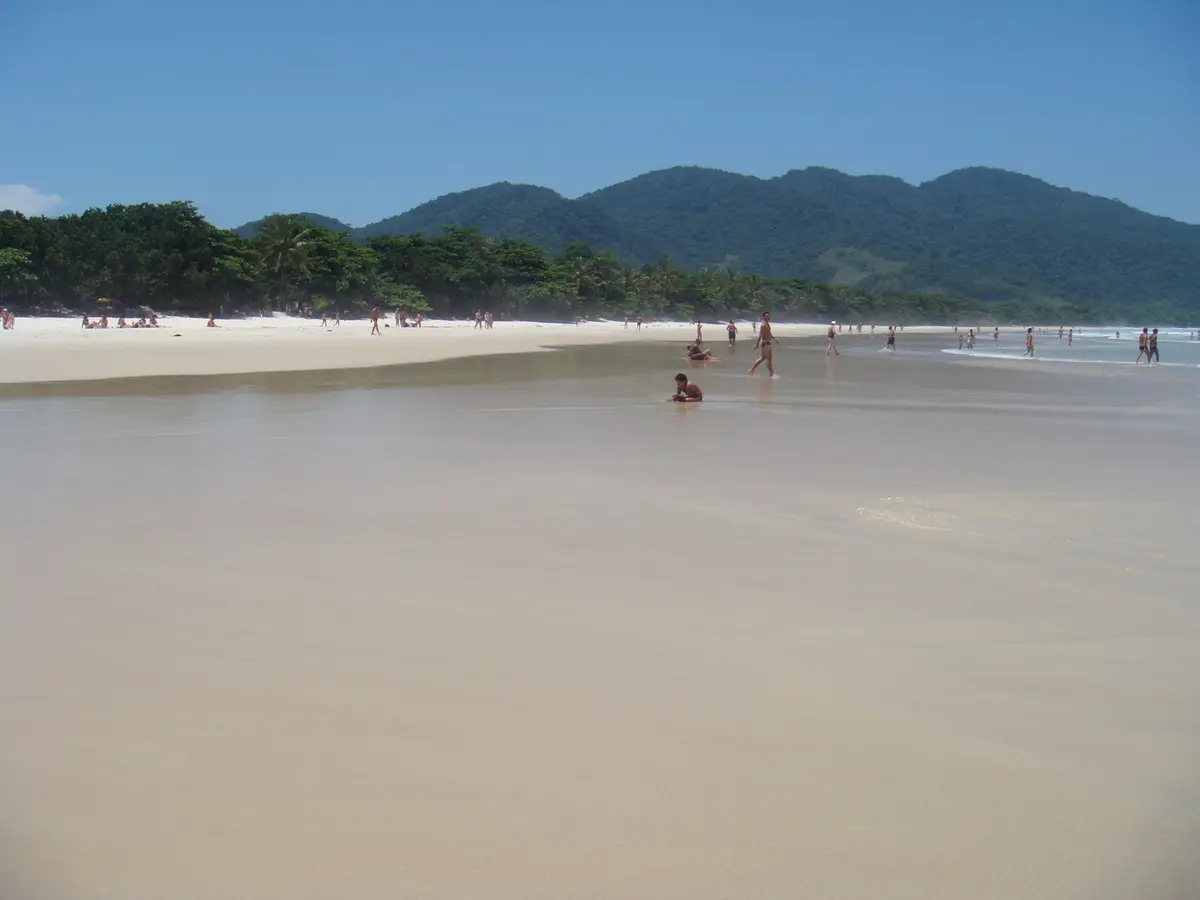
Vila do Abraão serves as the lively base for visitors staying on the island. Open-air restaurants set tables right on the sand and visitors unwind by the moonlight to live music. Within the Aventureiro Sustainable Development Reserve, about fifty families live in harmony with the sea, relying strictly on traditional artisanal fishing under state environmental supervision. At Praia do Aventureiro, travellers pause to photograph the famous coconut palm that grew out horizontally over the sand before curving upward at a sharp right angle. On recovery days after the crossing, swimmers frequently head to Praia de Lopes Mendes, an uninhabited three-kilometre stretch of coastline facing the open Atlantic. Framed by native restinga vegetation and abricó trees, Lopes Mendes is known for its powdery white sand and rolling ocean swell. The heavy surf makes docking boats directly onto the beach nearly impossible, though skippers find calmer water on its left flank when conditions allow.
Sources: Ilha Grande · Angra dos Reis · Praia de Lopes Mendes · Ilha Grande State Park
Course
Long-distance open water event around Ilha Grande. Available as a solo swim or relay format. Technical course requiring endurance and navigation skills in open sea conditions.
Previous editions
Since 2014
How to get there
Fuga da Ilha Grande
Frequently asked questions
- When is Fuga da Ilha Grande?
- Fuga da Ilha Grande takes place on November 8, 2026.
- What distances does Fuga da Ilha Grande offer?
- Fuga da Ilha Grande has a single distance: 13 km.
- How much is the entry fee for Fuga da Ilha Grande?
- The entry fee is 800 BRL. Values refer to the Solo category. Administrative fee not included.
- Where does Fuga da Ilha Grande take place?
- Fuga da Ilha Grande is a sea swim. Location: Ilha Grande, Angra dos Reis, Rio de Janeiro, Brazil.
- How do I register for Fuga da Ilha Grande?
- The reference page for registering for Fuga da Ilha Grande is https://www.inscricaomasf.com/.
Where to stay
Ilha Grande offers a variety of stays ranging from rustic 'pousadas' converted from traditional fishermen's houses in the village of Abraão to small boutique guesthouses near the harbor. For those preferring direct access to the water, several beach-front campsites operate along the main trails. Expect to pay between R$ 250 and R$ 600 per double room/night, depending on proximity to the pier and the level of amenities.
Things to do nearby
The weekend is defined by the island's natural and historical depth. You can explore the lush Atlantic Forest trails that lead to the ruins of the Lazareto, or rent a kayak to reach secluded coves inaccessible by foot. The local culinary scene revolves around fresh seafood caught by artisanal fishermen, best enjoyed at the harbor front. For history enthusiasts, the trail to the Cândido Mendes ruins offers a somber look at the island's 20th-century history, perfectly contrasting the physical freedom of your swim.
Swimmers
Other races by this organiser
- Circuito MASF — Praia Vermelha (Urca)Rio de Janeiro, BR
Similar races




Comments
Transparency: some links on this page (stays, flights, experiences, gear) are affiliate links — if you book or buy through them, Omniathlon may earn a commission from the partner at no extra cost to you. As an Amazon Associate we earn from qualifying purchases.