
JIOWSA Marathon Series
At a glance
- Where
- Sea · Hakata Bay, Fukuoka, Japan
- Registration
- jiowsa-marathon.com
About the race
Organized under the banner of the JIOWSA Marathon Series, this open water swimming race takes place in the sheltered sea waters of Hakata Bay at Marina Town Seaside Park in Fukuoka, Japan. Swimmers looking for another open water event along this coastline can also take part in 第8回 福岡博多湾オープンウォータースイムレース, held about six kilometres down the coast. The race course offers distances ranging from 500 metres to 3 kilometres, mapped out across clear buoyed loops inside the bay. Swimmers taking on the 500-metre and 1-kilometre distances navigate a 500-metre loop, while those tackling the longer 2-kilometre and 3-kilometre challenges circle a 1-kilometre lap. In past editions, competitors joined together on the sand for an ocean cleanup along the beach before heading into the water, setting a respectful tone for the morning. When you complete your laps and hit the sand, the finish line brings you across timing mats laid out on the beach before returning your timing chip.
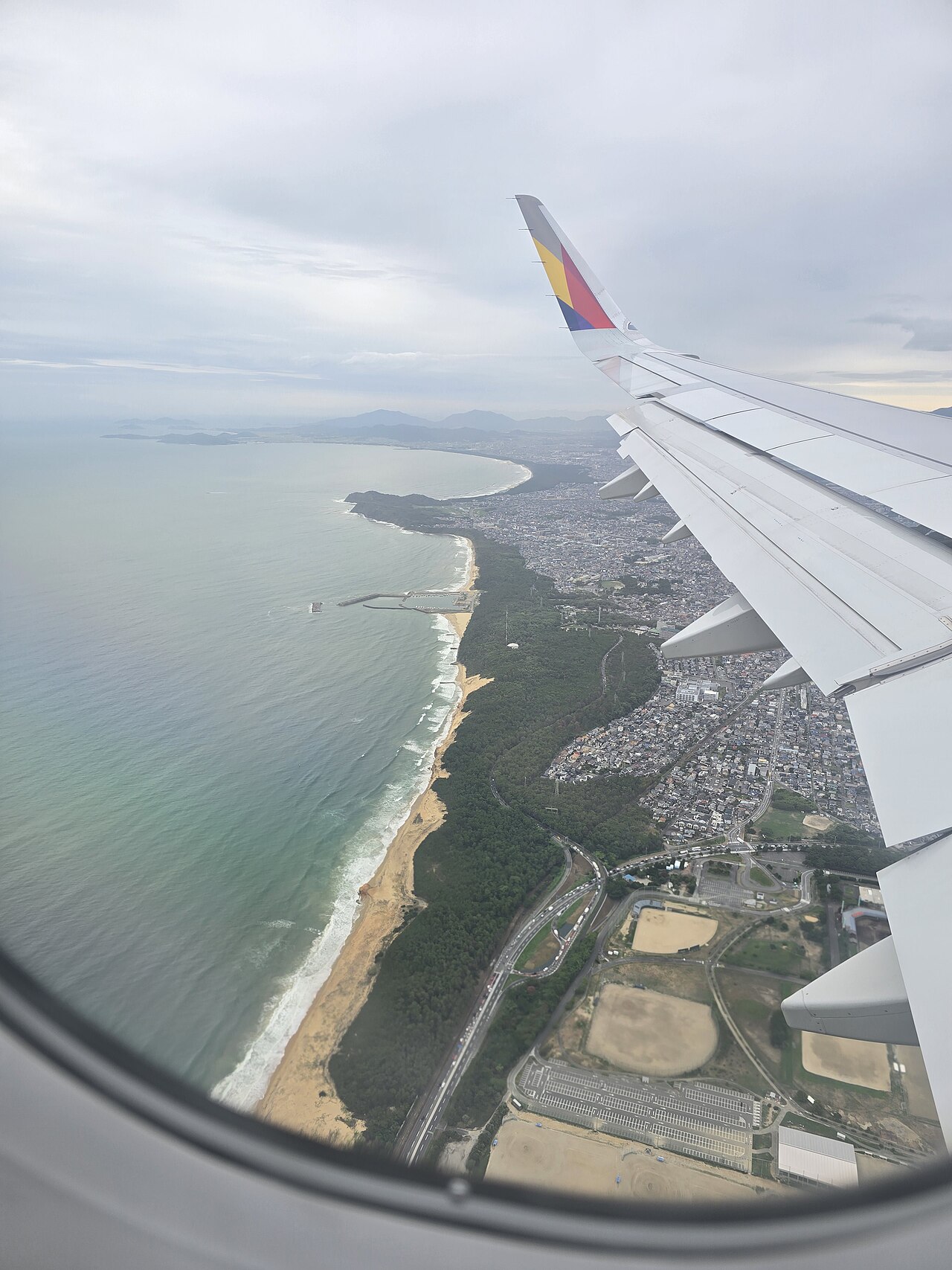
Hakata Bay: depths, sand dunes, and mineral veins
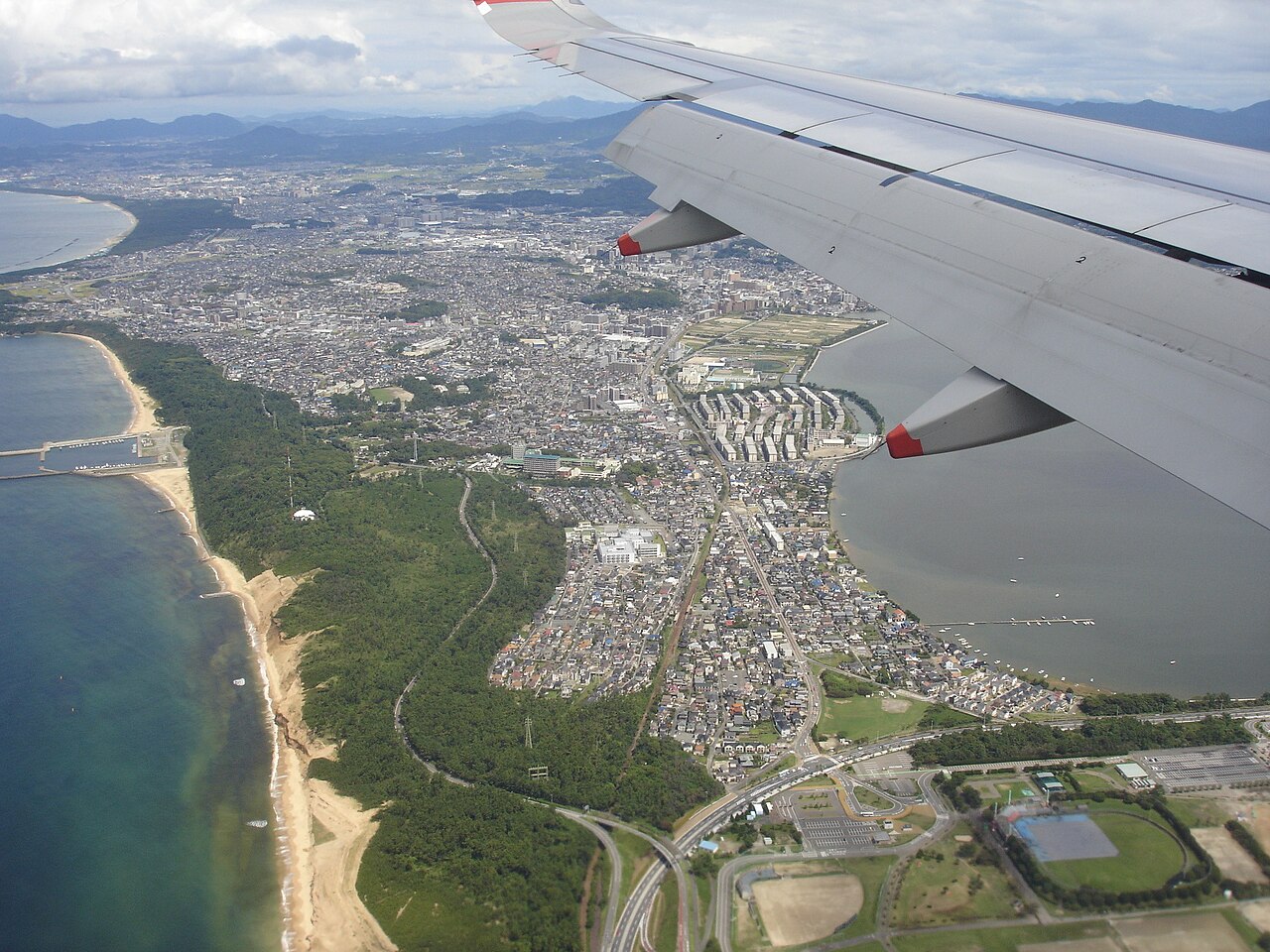
Hakata Bay forms a natural haven along northern Kyushu, stretching roughly twenty kilometres from east to west and ten kilometres from north to south. Its shallow, sheltered waters maintain an average depth of around ten metres, dropping to twenty-three metres at their deepest point. Submerged beneath the sea floor lie protected geological treasures, including mineral veins of mica and pegmatite that remain under government preservation. According to local lore, unusual petrified wood found along the bay bed represents the ancient masts of naval vessels from the legendary third-century crossing led by Empress Jingū. Along the bay's inner edge, the landscape took shape over millennia around shifting coastal sand dunes and back marshes where the Naka and Mikasa rivers empty into the sea.
Tsukushi Kōrokan: ancient emporiums and Silk Road glass
About one kilometre from the race area, the historic settlement of Hakata—known in antiquity as Nano-tsu, Na-no-otsu, and Hakata-tsu—has welcomed seafaring vessels since prehistoric times. The Hakata archaeological site preserves evidence of an active port community dating as far back as the late third century. Recent excavations at the former Reizei school grounds revealed an ancient late Heian-period port revetment built along the historic marsh where the Naka and Mikasa rivers converged into Hakata Bay. Constructed of carefully laid stone, this surviving quay measures seventy metres in length and over a metre in width. About two kilometres from the race beach, imperial authorities established the Tsukushi Kōrokan as an official foreign guest house and overseas exchange base to manage continental relations.
A dedicated straight roadway ten metres wide linked the complex directly to the regional administrative hub at Dazaifu over a distance of sixteen kilometres. When modern archaeologists excavated the Kōrokan ruins, they unearthed remarkable cross-cultural treasures, including Persian glass and vivid blue-glazed pottery carried all the way from the Islamic world across ancient maritime trade routes.
Genkō Bōrui: the twenty-kilometer defense against the Yuan fleets
Its position as Japan's continental gateway also made Hakata Bay a frequent military target, prompting coastal fortifications following the seventh-century Battle of Hakusukinoe and raids by Toi invaders in 1019. In 1274, the first Mongol armada landed directly in Hakata Port, turning the shoreline and settlement into an active battlefield. In response to the assault, defenders erected the Genkō Bōrui, an enormous stone rampart that spanned twenty kilometres along the perimeter of Hakata Bay, about nine kilometres from the present race site. To reinforce the coastal rampart, builders drove wooden stakes at irregular intervals into the seabed along the coast. When the Yuan armada returned in 1281, the continuous stone revetment successfully prevented landing crafts from reaching the Hakata beaches, forcing the fleet to seek anchorage at outlying Shikanoshima and Noko islands. While waiting offshore, the invading fleet was caught in the Tsushima Straits by a ferocious typhoon during the Battle of Kōan, which shattered hundreds of warships so densely that debris reportedly allowed people to walk between points of land.
Fukuoka Castle and Hakozaki: the shoreline transformed
Centuries later during the Edo period, the coastal landscape changed once more when master builders recycled stones from the coastal Mongol defensive wall and nearby islands to construct Fukuoka Castle. The architects integrated the natural coastal terrain into their defenses, employing the Naka River as an eastern moat and tidal mudflats to the west. To form the inner castle's massive Ohori moat, workers dredged and reclaimed the southern expanse of a natural saltwater cove opening off the bay. Today, that intimate bond with the water endures through the traditional Oshioitori ritual, where worshippers walk down to Hakozaki beach to collect handfuls of purifying sea sand from the bay.
Sources: Hakata Bay
Course
Open Water Swim courses located in various Japanese locations (e.g., Hakata Bay, Osaka Sennan, Okinawa Nago, Aichi Nishiura). Characteristics vary by location, typically coastal circuits with marker buoys. Marine conditions are influenced by local tides and coastal currents typical of Japanese bays.
Useful info
JIOWSA Marathon race series. Registration is open for the 2026 stages. Please consult the 'Race Information' section on the official website for details on categories, wetsuit regulations, deadlines, and logistics specific to each individual stage of the circuit.
How to get there
Fukuoka Airport (FUK) is just 3km from the city center. JR Hakata Station is the main hub for Shinkansen trains. The race site can be reached in 10-15 minutes by subway (Kuko Line) or taxi. Parking is limited in the area; the use of public transport, which is extremely efficient and widespread throughout the urban area, is highly recommended.
JIOWSA Marathon Series
Frequently asked questions
- Where does JIOWSA Marathon Series take place?
- JIOWSA Marathon Series is a sea swim. Location: Hakata Bay, Fukuoka, Japan.
- How do I register for JIOWSA Marathon Series?
- The reference page for registering for JIOWSA Marathon Series is https://jiowsa-marathon.com/.
Where to stay
Fukuoka offers a diverse range of stays, from modern business hotels in the Tenjin and Hakata districts to boutique ryokans near the waterfront. For a more authentic feel, small guesthouses are available near the coastal access points. Expect to pay between $70 and $150 per night for a standard double room, depending on the proximity to the bay and the level of service. For those looking for convenience during the event, accommodations near the race village provide the fastest access to the start line at Momochihama Beach.
Things to do nearby
Beyond the race, the area is defined by its maritime heritage and culinary reputation. Visitors can explore the preserved sections of the Mongol defensive wall, take a kayak tour of the bay to better understand its tidal dynamics, or visit the historic shrines that predate the city's modern expansion. Fukuoka is also world-renowned for its street-food stalls, known as yatai, which offer a unique evening experience after a day of racing. You can find more details on these local activities and sites to round out your weekend.
Swimmers
What to see around
1. Ohori Park (jogging and relaxation), 2. Kushida Shrine, 3. Fukuoka Castle Ruins, 4. Momochi Seaside Park (tower view), 5. Yatai (evening food stalls along the Nakasu River). All attractions are within 10km of the city center.
Similar races


Comments
Transparency: some links on this page (stays, flights, experiences, gear) are affiliate links — if you book or buy through them, Omniathlon may earn a commission from the partner at no extra cost to you. As an Amazon Associate we earn from qualifying purchases.