
Oceans 8 Charity Swim
- May 23 – 24, 2026
- Last edition date
- Distances from 1.6km to 25.8km
At a glance
- Last edition date
- May 23 – 24, 2026
- Distances
- 1.6 km · 6.4 km · 12.9 km · 25.8 km
- Where
- Sea · Durban Undersea Club, Vetch's Pier area, Durban harbour, Durban, KwaZulu-Natal, South Africa
- Entry fee
- 10–55 €
- Wetsuit
- Wetsuits are permitted; a 2-minute time penalty per mile applies.
- Registration
- oceans8swim.co.za
About the race
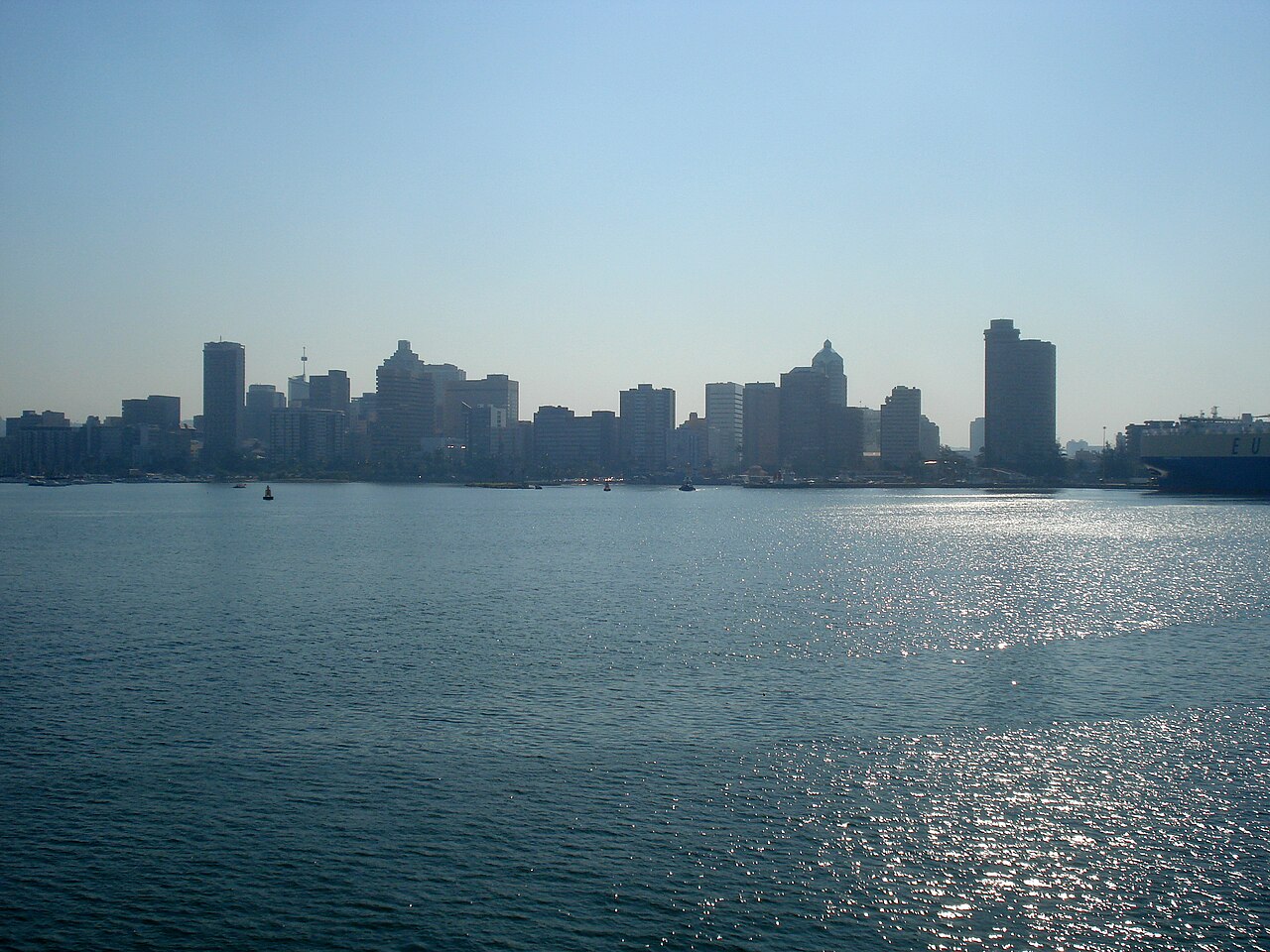
The Vetch's Pier area off the entrance to Durban harbour is the setting for the Oceans 8 Charity Swim, an open water swimming race held at the Durban Undersea Club and Point Water Sports Club in Durban, KwaZulu-Natal, South Africa. Taking place in late May, the event brings swimmers into the sea across four distinct open water courses. The swimming distances range from 1 mile to 4, 8, and an ambitious 16-mile marathon. In past editions, organizers modified the course so that it passes directly over the end of Vetch’s Reef. With the high water clarity found along this section of coast, swimmers can look straight down onto marine life that includes fireweed, lionfish, mullet, and stingrays.
Because the course is set in the open ocean, swell and breeze can influence the day. Swimmers have had to navigate challenging shore break conditions when running through the surf on the second day of the event. To keep the challenges fair and accessible, the event operates under specific equipment and age regulations. Wetsuits are permitted in the sea, but swimmers who wear one incur a time penalty of two minutes per mile. The 1-mile event is open to participants aged ten and up, though children aged ten to twelve must use a tow float.
The 4-mile distance accepts swimmers from twelve years old, with twelve-year-olds also required to tow a float. For the 8-mile and 16-mile events, swimmers must have completed an official sea swim beforehand, and 16-mile participants must also be able to swim a mile in under thirty minutes. The Oceans 8 Charity Swim was established by a group of non-profit organizations to provide charities in KwaZulu-Natal with a sustainable source of income.
Bay of Natal: from Portuguese caravels to King Shaka
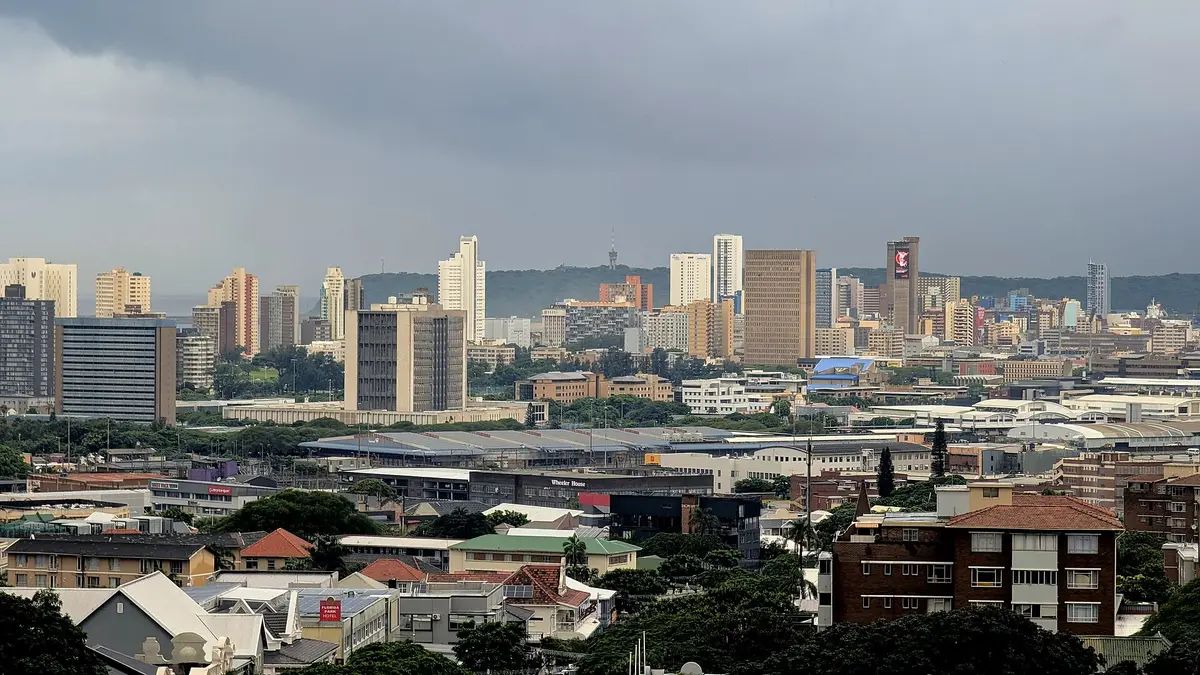
The waters off Durban hold a deep maritime history that long predates modern swimming competitions. In 1497, Portuguese explorer Vasco da Gama sighted this coast at Christmastide and named the region Natal. The surrounding waters saw historic shipwrecks, including the Dutch East India Company vessel Stavenisse, which ran aground along the eastern coast in 1686. On 9 December 1689, the Dutch Cape Colony purchased the Bay of Natal from the Abambo people for £1,650. In 1823, the British ship Salisbury risked crossing the Bar to drop anchor in the Bay of Natal to escape a severe storm. Trade soon followed, and on 7 August 1824 King Shaka granted F. G. Farewell & Company possession of the port of Natal and surrounding land. That historic natural bay developed into the modern Port of Durban, situated about one kilometre from the race area, which ranks as South Africa's busiest port and the fourth-busiest in the Southern Hemisphere. The port features a navigation width of 220 metres and channels dredged to 19 metres in the approach channel and 16 metres within the harbour.
Salisbury Island and the wartime sea
Across the harbour waters, about one kilometre from the race area, lies Salisbury Island. Originally, this area was a low sandbank blanketed in wild mangroves before human development transformed it. During the Second World War, workers constructed a causeway that permanently connected the island to the mainland. The site became the home of Naval Base Durban, established during the war to defend the coast against potential Japanese naval threats. Sunken history in the surrounding ocean includes the submarine HMS Otus, which lies about six kilometres from the race area. The vessel had seen Mediterranean combat in 1941, surviving friendly fire northwest of Alexandria and attacking an enemy merchant cruiser east of Valletta. In September 1946, the submarine was scuttled off the Durban coast, resting undisturbed until its rediscovery in March 2013 at a depth of approximately 100 meters.
Beachwood Mangroves: the Umgeni River mouth
To the north, the coastline is framed by the Umgeni River, a waterway approximately 232 kilometers long that flows down to the sea. It was at the mouth of the Umgeni on 25 December 1497 that Vasco da Gama reportedly replenished fresh water supplies for his fleet. About seven kilometres from the race area, at the mouth of the river along the northern bank of the Blue Lagoon, lies the Beachwood Mangroves Nature Reserve. This sanctuary covers 76 hectares of a natural estuarine system, safeguarding the mangrove habitat of the coast. Within the reserve stand three protected species of mangrove trees that thrive in the tidal waters. An elevated boardwalk enables visitors to traverse the swamps comfortably even during high tide. Along the walkways, visitors can spot mudskippers moving across the mud, fiddler crabs scurrying among roots, and the mangrove kingfisher perching above the water.
North Beach and Durban's Golden Mile seafront
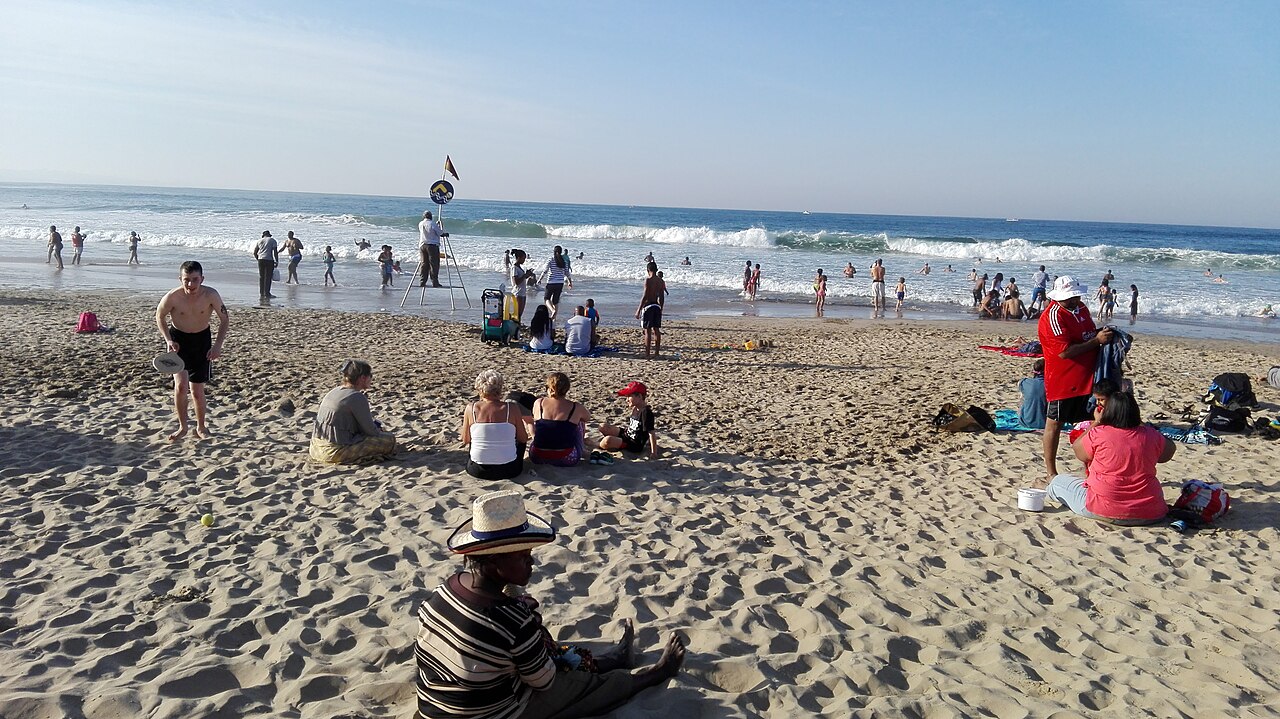
Just north of Durban harbour and the bluff, North Beach stretches along the city's celebrated shoreline. The beach is bordered by two large piers extending out into the waves, providing structure to the coastal surf. Swimmers can enjoy the open water with confidence, as the beach is protected by shark nets. The sandy bay serves as a focal point for ocean enthusiasts and seaside walkers throughout the year. Along the Marine Parade, the clubhouse of the Durban Surf Lifesaving Club stands as a reminder of the city's proud lifesaving heritage. The Durban beachfront remains continuously protected by safety nets and active surf lifesavers. After challenging the reef at Vetch's Pier, this energetic shoreline is the ideal place to watch the ocean roll onto the sands of KwaZulu-Natal.
Sources: Durban · Salisbury Island, Durban · Port of Durban
Course
1 mile course.
4 mile event: 2 miles on Saturday and 2 miles on Sunday.
8 mile event: 4 miles on Saturday and 4 miles on Sunday. Each mile starts every 75 minutes.
16 mile event: 8 miles on Saturday and 8 miles on Sunday. Each double mile starts every 75 minutes.
Awards
- Age group awards
Age-group medals awarded. Prizes for top fundraisers.
How to get there
Oceans 8 Charity Swim
Frequently asked questions
- When was the last edition of Oceans 8 Charity Swim?
- The last edition of Oceans 8 Charity Swim took place on May 23 – 24, 2026.
- What distances does Oceans 8 Charity Swim offer?
- Oceans 8 Charity Swim offers 1.6 km, 6.4 km, 12.9 km, and 25.8 km.
- How much is the entry fee for Oceans 8 Charity Swim?
- The entry fee ranges from 10 € to 55 €. Mandatory charity fundraising required in addition to entry fee.
- Is a wetsuit required at Oceans 8 Charity Swim?
- Wetsuits are permitted; a 2-minute time penalty per mile applies.
- Where does Oceans 8 Charity Swim take place?
- Oceans 8 Charity Swim is a sea swim. Location: Durban Undersea Club, Vetch's Pier area, Durban harbour, Durban, KwaZulu-Natal, South Africa.
- How do I register for Oceans 8 Charity Swim?
- The reference page for registering for Oceans 8 Charity Swim is https://oceans8swim.co.za/.
Where to stay
Durban’s coastline offers a diverse range of stays, from historic boutique hotels overlooking the harbor and the Durban Undersea Club to self-catering apartments near the beachfront. For those preferring a more grounded experience, there are several guesthouses and family-run lodges within a short drive of Vetch's Pier. Expect to pay between 60 EUR and 150 EUR per night for a double room, depending on the proximity to the Golden Mile and the level of amenities provided.
Things to do nearby
Beyond the race, the region is defined by its deep connection to the Indian Ocean. You can explore the harbor via kayak or SUP to get a closer look at the local maritime infrastructure, or head inland for guided tours of regional wildlife reserves. For a cultural touch, the Victoria Embankment offers a walk past the statue of Charles Rawden Maclean, commemorating his 1827 journey, while the local markets provide access to traditional KwaZulu-Natal crafts and culinary tastings.
Swimmers
Similar races


Comments
Transparency: some links on this page (stays, flights, experiences, gear) are affiliate links — if you book or buy through them, Omniathlon may earn a commission from the partner at no extra cost to you. As an Amazon Associate we earn from qualifying purchases.