
Periplo Isola d'Ischia
- Sep 26, 2026
- Last edition date
- Distance: 30km
At a glance
- Last edition date
- September 26, 2026
- Distances
- 30 km
- Where
- Sea · Casamicciola Terme, Campania, Italy
- Entry fee
- 400 €
- Registration
- instagram.com
About the race
Circling an entire Mediterranean island under human power in a single continuous swim is the purest realization of the ancient Greek maritime periplus. The Periplo Isola d'Ischia is an open water sea marathon that circumnavigates the volcanic island of Ischia, organized by Associazione ETS IschiaForYou and setting out from the northern port of Casamicciola Terme in the Campania region of Italy. The competition takes place in late September, drawing its name and inspiration from the classical Greek term 'periplo', which described a complete circumnavigation of an island or landmass alongside technical descriptions of shorelines, ports, and sea conditions. Swimmers take on an endurance challenge of 30,000 meters in the open sea, tracing Ischia's varied perimeter of approximately 18 nautical miles.
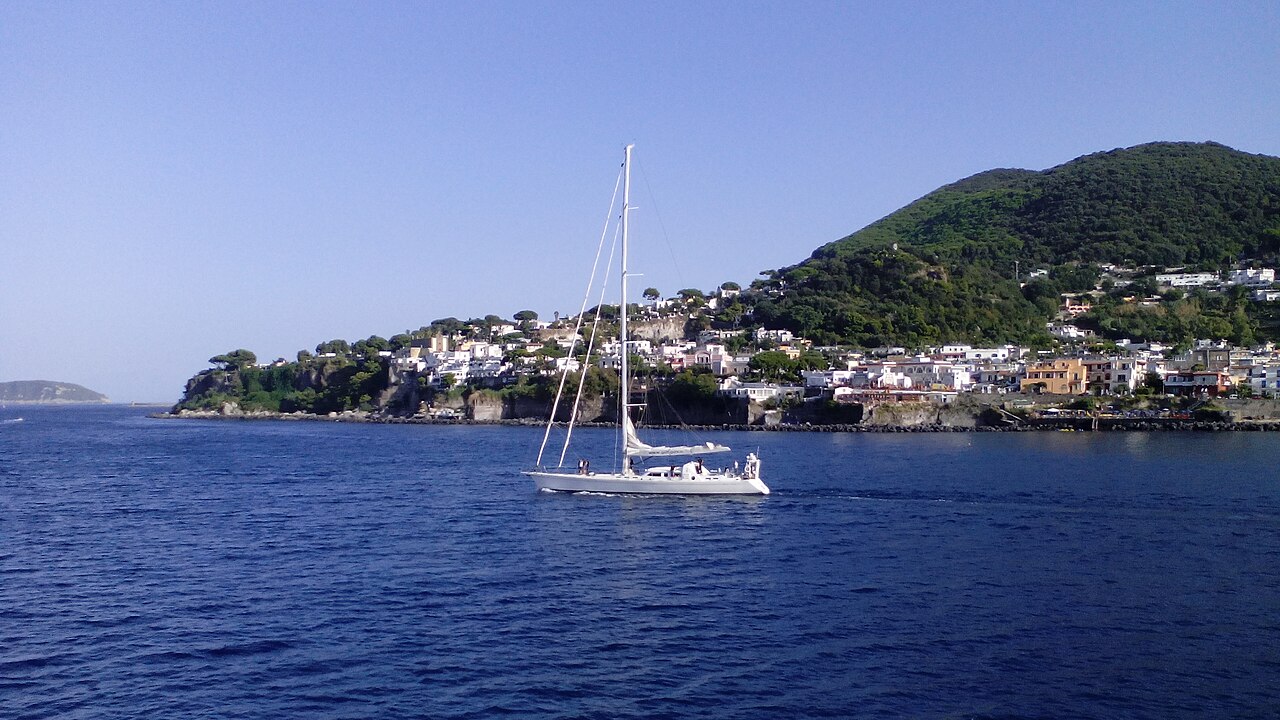
The circular route follows a coastline of contrasting landscapes, alternating between wide sandy beaches and rugged rocky cliffs that meet the open Mediterranean. In past editions, swimmers gathered on the shore in Casamicciola Terme for a morning departure, diving into the water as the early sun illuminated the rolling dawn waves. The long voyage around the island culminates back on land with an official awards ceremony and a culinary event featuring chef Max Mariola, who prepares a modern take on historic Ischian culinary traditions.
Regno di Nettuno: green tuff seabed and underwater thermal springs
Ischia is a complex volcano formed by the massive eruption of trachytic Green Tuff Ignimbrite approximately 56,000 years ago. The sea surrounding the island belongs to the Regno di Nettuno Marine Protected Area, established in 2007 to safeguard the rich marine biodiversity of the archipelago. Within this protected maritime basin, extensive underwater meadows of Posidonia oceanica grow alongside colonies of false black coral, creating vital habitats across the volcanic seabed. Natural spring water of volcanic origin discharges directly into the open sea, notably along the coastal stretch at Citara. Inland from the beach, the renowned thermal pools at the Poseidon gardens channel these volcanic sources into bathing waters that range from pleasantly warm to intensely hot, offering an extraordinary contrast to the cooler open sea just offshore.
Pithekoūsai and the Aragonese Castle: ancient emporiums and pirate raids
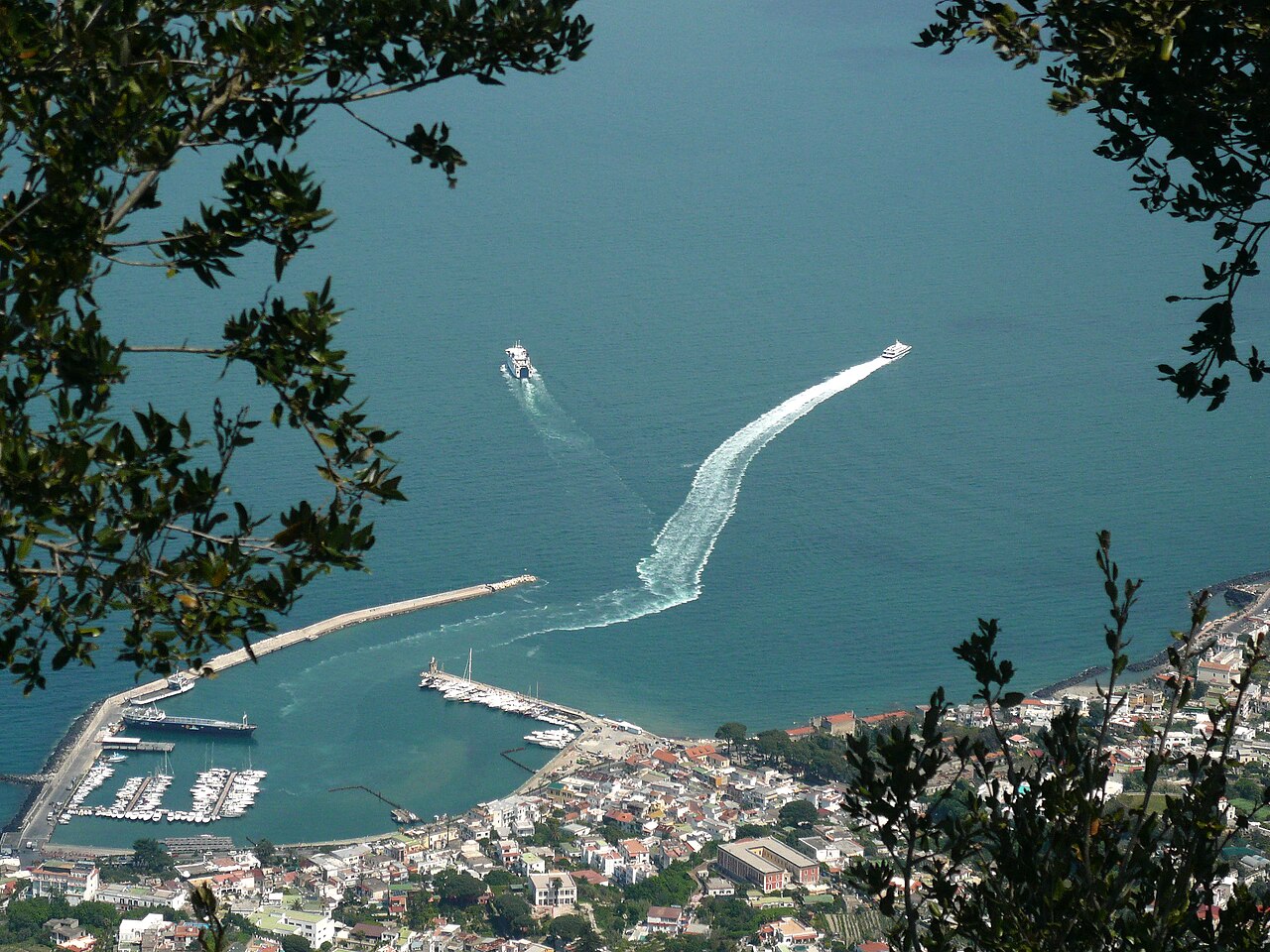
Human settlement on Ischia dates back to the Bronze Age, long before classical navigators charted the surrounding sea. In the 8th or 9th century BCE, Greek settlers established an emporium on the island known as Pithekoūsai. In 1438, Alfonso V of Aragon ordered the construction of a bridge connecting the Aragonese Castle directly to the mainland of Ischia. The surrounding waters were frequently plagued by pirate incursions throughout the 16th century. These maritime raids persisted for centuries, with the last recorded kidnapping of an island resident by seafaring raiders taking place in 1796.
Il Fungo, La Nave, and the stone sailors of Citara
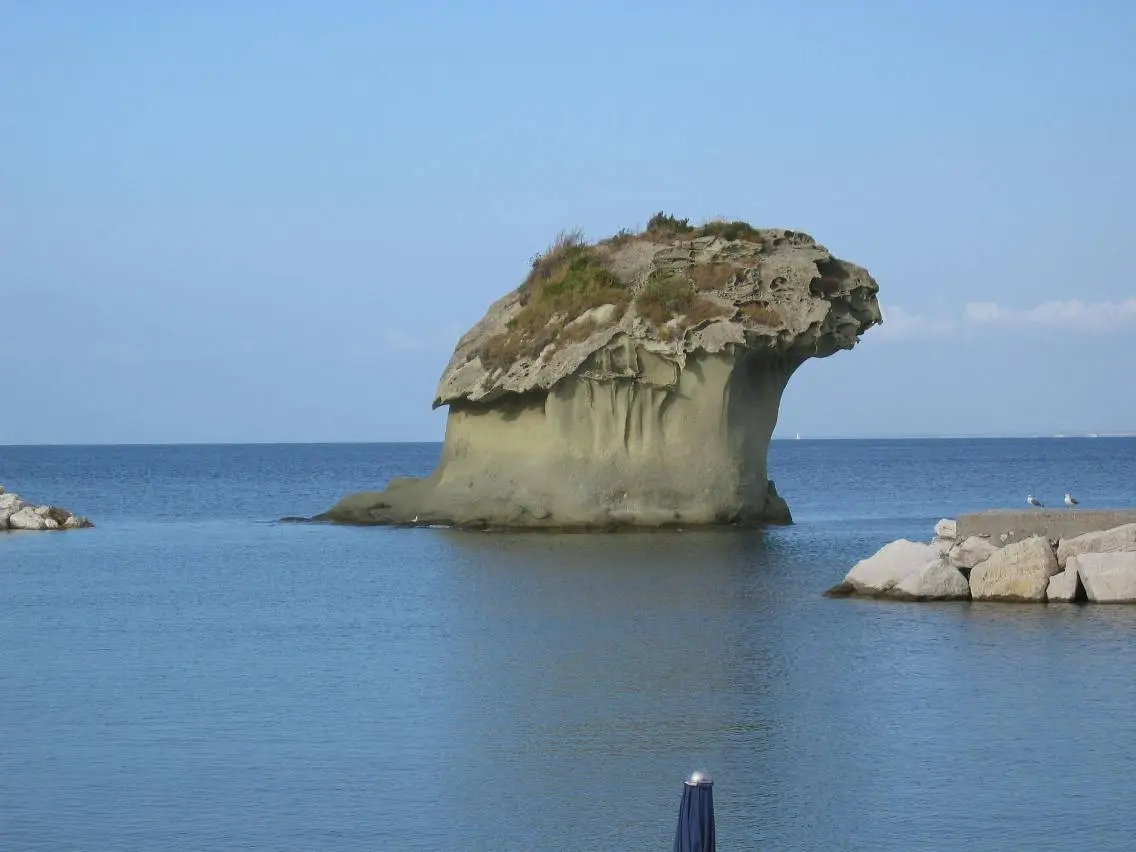
As swimmers follow the island's coastal contour, they encounter striking geological formations sculpted by the elements. Off the coast of Lacco Ameno stands Il Fungo, a remarkable rock rising approximately ten meters above the water just a few tens of meters from the shore. Made entirely of green tuff, this massive block tumbled into the sea from Mount Epomeo during prehistoric times and gradually took on its mushroom-like appearance through the continuous erosive action of wind and waves. Navigating further along the western coast toward Forio, the route passes Pietra Impisa, a formation consisting of two rocks situated very close to the edge of La Chiaia beach. Continuing past the village of Panza toward Punta Imperatore brings swimmers along the beach of Citara, where an ancient white marble statue of Venus Citarea was discovered in the ground.
According to a local maritime legend, the sea rocks visible from Citara beach are Homeric sailors who were turned into solid stone by Venus as punishment for assisting Odysseus. Off the dramatic headland, located to the northwest of the Punta Imperatore lighthouse, rises the colossal sea stack known as La Nave, an outcrop standing about twenty meters above the water and surrounded by a variety of local maritime myths. Other notable geological sentinels dotting the regional waters near the island of Ischia include the Scogli Camerata, the Pietre Rosse, and the cluster of rocks known as the Pietre del Cavallone, all standing firm within the waters of Campania.
Casamicciola Terme: thermal terraces and the fishermen's harbour
Casamicciola Terme has a long and turbulent geological history: on July 28, 1883, a violent earthquake with an estimated magnitude between 4.2 and 5.5 struck northern Ischia, destroying the settlements of Casamicciola Terme and neighbouring Lacco Ameno. Today, the town has rebuilt and preserved its vibrant maritime and spa culture, welcoming swimmers with warmth along the lively waterfront. Piazza Marina forms the social core of Casamicciola Terme, lined with animated bars and restaurants that overlook the harbour docks. Running along the edge of the sea, an elegant paved promenade hosts local boutiques and shops, providing an inviting backdrop for a stroll before taking on the sea. A network of narrow alleys climbs from the working port into the old fishermen's quarters, offering an authentic glimpse into centuries of coastal seafaring existence.
Along the rocky shore flanking the town, the historic Castiglione thermal park cascades down the cliffs with thermal pools arranged on open terraces overlooking the open sea. Right along the shoreline, the Bagnitiello thermal springs feed seaside bathing facilities constructed on wooden walkways perched directly above the breaking waves.
Sources: Citara · Il Fungo · Ischia · Casamicciola Terme
Course
Circumnavigation of the island of Ischia (Periplo). Specific route details, buoy placements, and currents are not provided in the source text.
How to get there
Hydrofoil discount available with ALILAURO to facilitate travel.
Periplo Isola d'Ischia
Frequently asked questions
- When was the last edition of Periplo Isola d'Ischia?
- The last edition of Periplo Isola d'Ischia took place on September 26, 2026.
- What distances does Periplo Isola d'Ischia offer?
- Periplo Isola d'Ischia has a single distance: 30 km.
- How much is the entry fee for Periplo Isola d'Ischia?
- The entry fee is 400 €.
- Where does Periplo Isola d'Ischia take place?
- Periplo Isola d'Ischia is a sea swim. Location: Casamicciola Terme, Campania, Italy.
- How do I register for Periplo Isola d'Ischia?
- The reference page for registering for Periplo Isola d'Ischia is https://www.instagram.com/swimaround2025/.
Where to stay
Ischia offers a range of stays, from traditional white-washed fishermen's houses in the smaller harbors to boutique hotels overlooking the port in Casamicciola. For those preferring a more direct connection to the sea, there are several camping sites positioned near the beaches. Expect nightly rates to fluctuate between €120 and €250, depending on proximity to the coastline and the level of service provided. Local family-run guesthouses remain the most authentic option for race participants.
Things to do nearby
Beyond the race, the island is defined by its thermal water culture, with numerous natural spas and outdoor thermal parks. You can explore the jagged coastline by kayak or SUP to reach hidden coves inaccessible by land, or trek the slopes of Mount Epomeo for panoramic views of the Gulf of Naples. The island's rich archaeological history is best experienced through visits to the local museums documenting the Greek colonial period, followed by local wine tastings featuring grapes grown in volcanic soil.
Swimmers
Other races by this organiser
- Traversata di PoseidoneForio, IT
Similar races


Comments
Transparency: some links on this page (stays, flights, experiences, gear) are affiliate links — if you book or buy through them, Omniathlon may earn a commission from the partner at no extra cost to you. As an Amazon Associate we earn from qualifying purchases.