
Pittwater Ocean Swim Series
At a glance
- Where
- Sea · Pittwater, New South Wales, Australia
- Registration
- oceanswims.com
About the race
The Pittwater Ocean Swim Series brings competitors to the open sea of Pittwater in New South Wales across the southern summer months between January and March. Coordinated under the banner of oceanswims.com, the circuit threads together five historic community ocean events along the Barrenjoey Peninsula. Swimmers line up on open beaches flanked by headlands, trading sheltered harbor water for the raw pulse of coastal swells. The marquee journey of the circuit is The Big Swim, connecting Palm Beach to Whale Beach across a wide expanse of ocean. First contested during the 1974 season with forty-eight competitors, it quickly established itself as a genuine point-to-point sea voyage rather than an ordinary circuit around buoys.
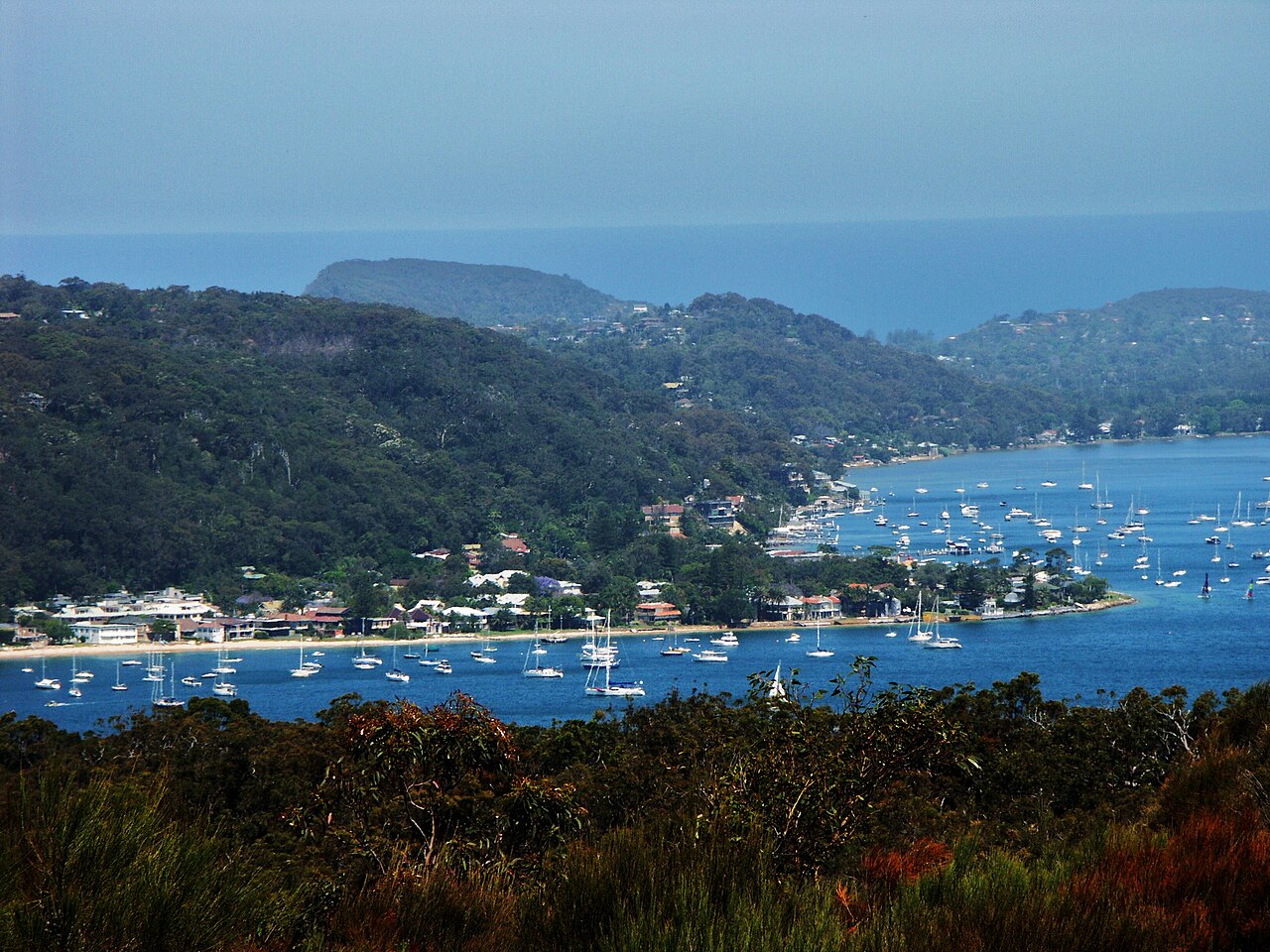
Swimmers break through the shorebreak and track along the Tasman Sea. Conditions out past the headlands range from glassy calm to testing ocean swells arriving from multiple directions, which can challenge those who favor breathing to their left toward the open sea. Riding the rolling swells delivers the quintessential thrill of Australian surf swimming. Further down the coast, the Warriewood To Mona Vale Swim offers another foundational chapter of local surf heritage. Initiated during the 1977–78 season with twenty competitors, the crossing is named after Mona Vale life member and founder Don 'Doc' Jenkins. At the Newport Pool To Peak, hundreds of participants test themselves against an open beach shaped by shifting sandbanks, gutters, and rips.
A submerged reef off Newport's southern headland offers natural protection from southeasterly swells. The mid-peninsula stage brings competitors to the Bilgola 'Billy' Swim, held at a beach whose Indigenous Guringai name translates as swirling waters. To navigate the lively surf zone safely, the 1.5-kilometer course follows a diamond-shaped pattern that carries swimmers cleanly beyond the break and toward the open headlands. In March, the series wraps up with the Avalon Beach Surf Swims, celebrated for the Around the Bends course. Peering through the water, swimmers glide over rocky shelves, submerged boulders, and seagrass beds alive with rays and cuttlefish.
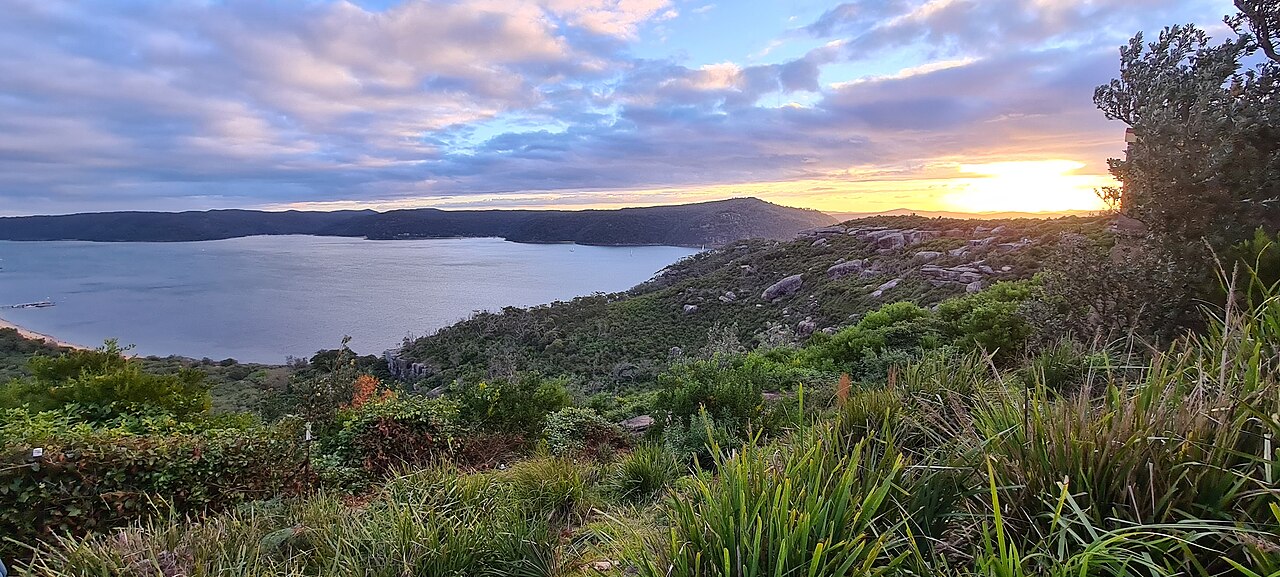
Broken Bay and the drowned valleys of the peninsula
Broken Bay owes its dramatic layout to prehistoric sea changes that flooded ancient river valleys. Broken Bay is a vast drowned valley estuary formed by the confluence of the Hawkesbury River, Pittwater, and Brisbane Water. These three interconnected arms are rias carved into the coastal plateau when global sea levels were considerably lower than today. Around 18,000 years ago, post-glacial rising seas inundated the ancient river system, isolating ridges to create inner havens such as Scotland Island. While the western shoreline faces tranquil estuarine channels, the swim courses run entirely along the exposed eastern ocean flank fronting the Tasman Sea. Behind the crescent of Bilgola Beach, the terrain rears up sharply toward the Bilgola Plateau, blanketed by native cabbage palms. At Avalon Beach, the coastline is bookended by towering headlands of Hawkesbury sandstone that drop sheer into the surf.
Barrenjoey Head: navigators, lighthouses and arches
Long before European navigators reached these shores, the Kuringgai peoples relied on the waterways of the peninsula for food and trade for thousands of years. Non-Indigenous charting began in March 1788, when Governor Phillip examined Broken Bay in a longboat, followed shortly by surveys conducted by the crew of HMS Sirius. Throughout the nineteenth century, Broken Bay and Pittwater served as essential anchorages where coastal sailing vessels sheltered while waiting for favorable winds before attempting the final passage south to Sydney Heads. To guide vessels into the safe entrance between Barrenjoey Head and West Head, builders completed the sandstone Barrenjoey Lighthouse in 1881. During the Second World War in 1942, a Japanese midget submarine involved in the raid on Sydney Harbour fled north toward Broken Bay before coming to rest thirteen kilometers south of the bay mouth.
Along the cliffs at Avalon, the ocean continuously reshapes the prominent landmarks once used by mariners. St Michael's Arch was an impressive twelve-meter-tall sea arch that served as a navigation beacon for passing ships until a violent gale collapsed its roof in May 1867. Marine erosion eventually took down the remaining sea stack, reducing it to a low stump in 1959.
Careel Bay and Lion Island: headlands and sanctuaries
Directly behind the ocean beaches, the sheltered western shoreline harbors the biological nurseries that sustain the peninsula's marine life. Careel Bay contains the most significant estuarine wetlands in the Northern Beaches, featuring the largest stands of mangroves and seagrass beds anywhere in Pittwater. Fed by the freshwater input of Careel Creek, this calm bay serves as a productive fish nursery for both the estuary and the open ocean waters outside. Migratory shorebirds arrive across the mudflats each year around September and October, while the wetland serves as the southernmost home of the mangrove gerygone. At the northern portal where the estuary meets the sea, Lion Island nature reserve stands watch over the entrance to Broken Bay.
At Avalon Beach, St Michaels Cave sits in the rockface. Carved out where the sea eroded a Jurassic volcanic dyke through Triassic sedimentary rock, the cavern provides a secluded breeding habitat for common bent-wing bats and large-eared pied bats. Out on the sand, swimmers step into the rolling surf beneath these ancient cliffs for a pure ocean crossing.
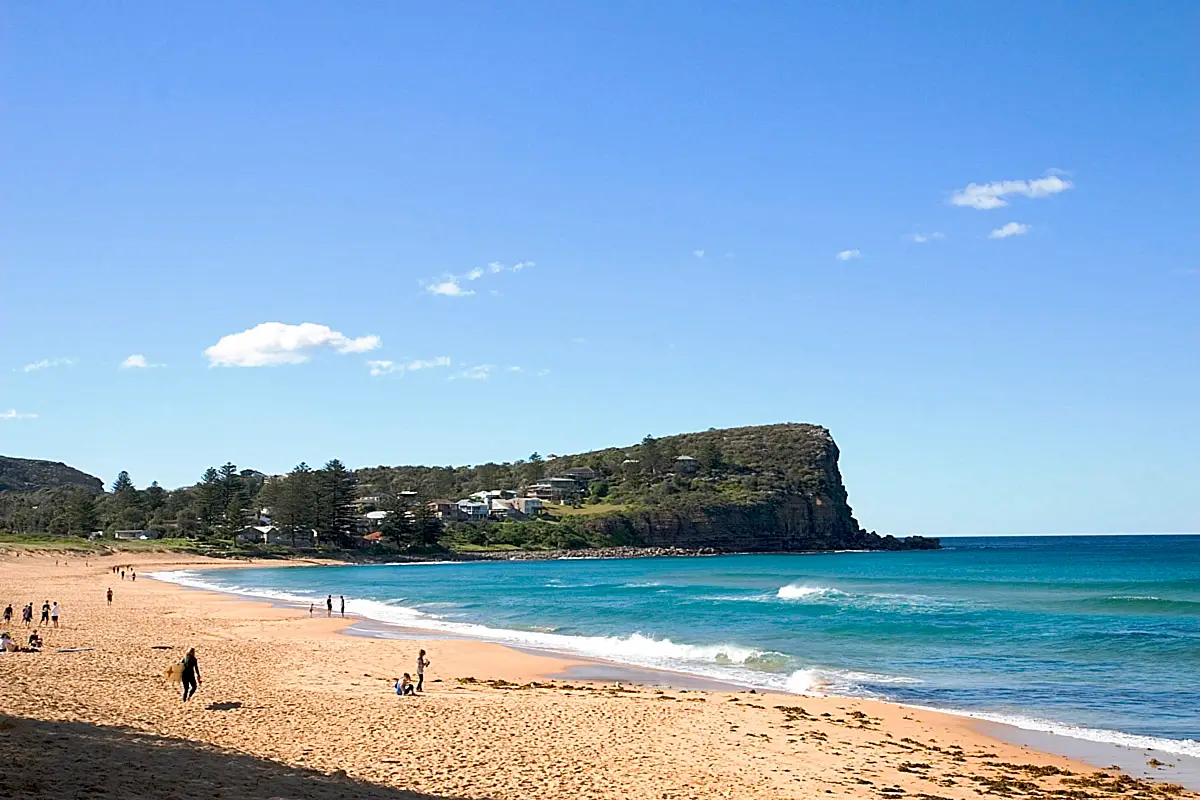
Sources: Avalon Beach · Pittwater · Bilgola Beach · Careel Bay · St Michaels Cave (Avalon Beach)
Course
Series of ocean races along the Pittwater coast, NSW. Includes iconic courses such as Whale Beach, Bilgola, Warriewood-Mona Vale, Avalon Beach, and Newport. Typical surf club-to-surf club routes, characterized by variable ocean currents, waves, and open-water buoy navigation.
Useful info
Summer event series (January). Races are managed by the respective Surf Life Saving Clubs (SLSC). Wetsuit regulations vary based on water temperature and SLSA directives. Online registration via the oceanswims.com portal or club websites. Always check the status (confirmed/cancelled) before the event.
How to get there
Sydney Airport (SYD) is 45km away. There is no direct train station; take the train to Wynyard and then the B1 bus to Mona Vale or Newport. By car: approximately 60-75 min from Sydney CBD via A8. Limited parking at the beaches (Newport, Bilgola, Avalon); arriving early or using local buses is recommended.
Pittwater Ocean Swim Series
Frequently asked questions
- Where does Pittwater Ocean Swim Series take place?
- Pittwater Ocean Swim Series is a sea swim. Location: Pittwater, New South Wales, Australia.
- How do I register for Pittwater Ocean Swim Series?
- The reference page for registering for Pittwater Ocean Swim Series is https://oceanswims.com/series/pittwater-ocean-swim-series/.
Where to stay
The area offers a blend of classic Australian coastal stays. You will find charming 'beachside cottages' and older weatherboard houses near Newport and Avalon that reflect the area's mid-century surf culture, alongside modern 'boutique apartments' overlooking the marina. For a more immersive experience, several 'camping grounds' are located near the national park boundaries. Expect to pay between $180 and $450 per night depending on proximity to the water and the level of amenities.
Things to do nearby
Beyond the water, the region is ideal for exploring the natural environment through 'kayaking and stand-up paddleboarding' in the calm bays or 'coastal trekking' along the headland trails of the national park. You can also visit 'Aboriginal heritage sites' to view ancient rock engravings or participate in local 'produce tastings' at the weekend markets in Newport. The combination of quiet bushland trails and the active surf lifestyle makes it a distinct destination for a race weekend.
Swimmers
What to see around
1. Barrenjoey Lighthouse (Palm Beach): scenic hike. 2. Ku-ring-gai Chase National Park: kayaking and trails. 3. Whale Beach: surfing and relaxation. 4. West Head Lookout: breathtaking views over Pittwater and Hawkesbury River. 5. Ferry to Dangar Island: estuary exploration.
Similar races


Comments
Transparency: some links on this page (stays, flights, experiences, gear) are affiliate links — if you book or buy through them, Omniathlon may earn a commission from the partner at no extra cost to you. As an Amazon Associate we earn from qualifying purchases.