
Swim Across America - Nantucket
- Distance: 1.6km
At a glance
- Distances
- 1.6 km
- Where
- Sea · Nantucket, Massachusetts, United States
- Registration
- swimacrossamerica.org
About the race
In 1987, a small group of friends gathered on Nantucket's shore to swim across the open sound to Hyannis. That initial crossing sparked the creation of Swim Across America, an organization dedicated to staging open water benefits that channel funds directly into cancer research and patient care programs. Today, Swim Across America - Nantucket brings that founding spirit back to its birthplace as an open water sea swim held along the shores of Nantucket, Massachusetts. The modern island event has gathered swimmers every summer since 2013 at Jetties Beach, offering a core 1,609-meter race distance that draws people into the gentle, open shoals of the sound. Swimmers often reflect on the gathering as an intensely moving experience, transforming the beach into an energetic community hub centered around a shared cause.
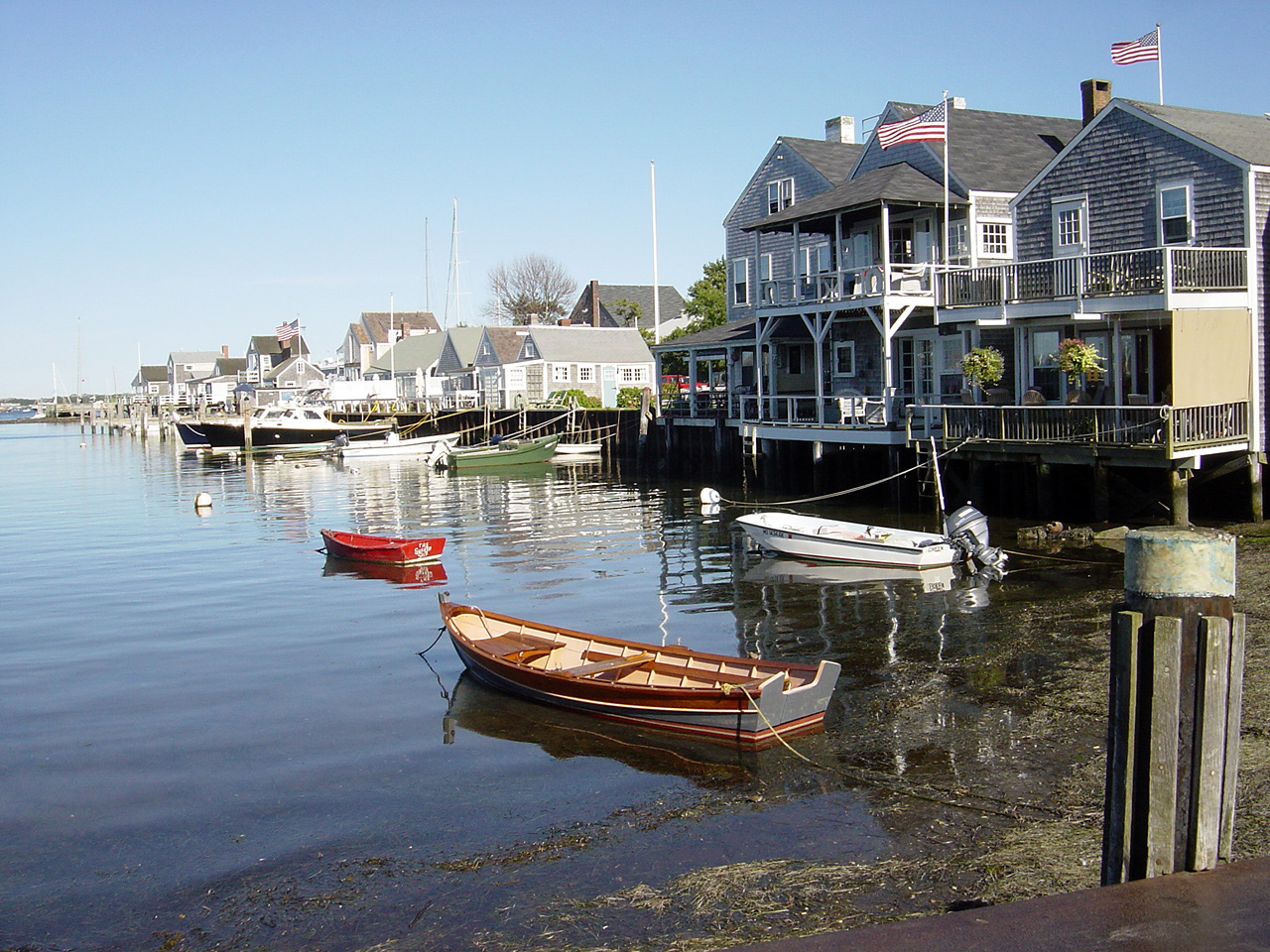
Past participants have documented four-mile courses across the waters of the sound, testing their stamina against the vast expanse. Looking across the horizon as you prepare to start, the familiar sights of the shoreline ground the collective energy of the morning. Conditions in the sound can shift dramatically between tide cycles and prevailing breezes. Yet when the weather turns, the sound delivers sublime swimming: participants have enjoyed high tide and calm waters under warm, sunny skies.
Jetties Beach and the swim courses
Swim Across America - Nantucket is held at Jetties Beach, where a 2008 Yesterday's Island beach guide lists lifeguards, changing rooms, a playground, volleyball nets, restrooms, showers and a restaurant. The same Yesterday's Island guide to Nantucket's beaches lists windsurfing, sailboat and kayak rentals at Jetties Beach, plus swimming lessons for children age 6 and up. In 2016 the Nantucket swim added a four-mile course from Eel Point to Jetties Beach, held on the Thursday before the main swim. In 2015 Grant Wentworth swam more than 22 miles from Hyannis to Nantucket to raise money for the fundraiser. The 2026 program at Jetties Beach included a Kids Splash, quarter-mile, half-mile and one-mile swims, a 2x2 mile relay and a four-mile swim.
Nantucket Sound: Glacial Moraines, Shoals, and Tidal Confluences
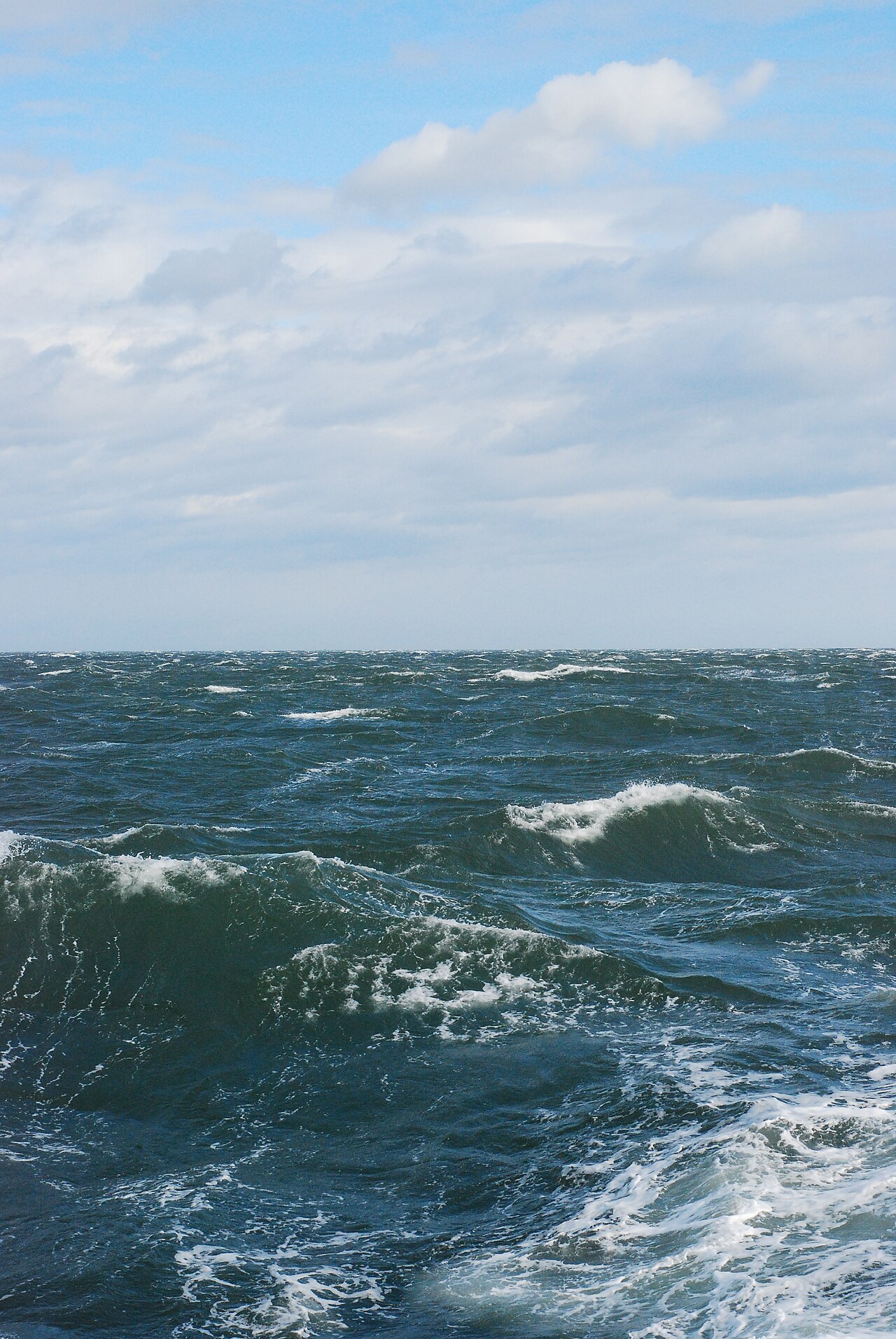
Nantucket was fully severed from the mainland between 5,000 and 6,000 years ago when rising sea levels submerged the lingering land bridges, creating the isolated ocean retreat known today. Nantucket Sound is a triangular body of water measuring 48 kilometers in length and 40 kilometers across. The sound is characterized throughout its expanse by extensive sand shoals that alter depth rapidly and shape local wave patterns. These shallow shelves support an ecosystem that transitions from quiet salt marshes and warm swimming beaches to the open oceanic shelf. Out where narrow beach spits separate the sound from the Atlantic Ocean, fierce tidal currents converge and churn along the outer bars.
Nantucket Harbor and Waters: Scallops, Horseshoe Crabs, and Marine Life
The mouth of Nantucket Harbor empties directly into the sound. The harbor shoreline hosts the Maria Mitchell Aquarium, which operates out of the former Nantucket Railroad ticket office and has documented 104 marine species in the surrounding shallows. The aquarium oversees ongoing research into the local bay scallop population, an ecological study maintained continuously since 2003. In late spring, between May and June, researchers track the ancient ritual of horseshoe crabs that arrive in substantial numbers to mate on the island's sandy edges. Because the Gulf Stream sweeps past the Atlantic side of Nantucket, warm offshore currents periodically sweep stray tropical fish into the region. As a result, Nantucket Sound functions as a unique biological crossroad, marking the southernmost boundary for northern Atlantic wildlife and the northernmost frontier for mid-Atlantic species. During late summer, endangered roseate terns can be seen diving and feeding near Tuckernuck Island.
Brant Point and Town Shores: Whaling Boats and Harbor Lights
Around 1665, English colonists and Native Americans collaborated to build the Madaket Ditch, about 8 km away, the island's earliest recorded public works project. The canal spans approximately one mile in a southwesterly direction, connecting Long Pond to Madaket Harbor to facilitate seasonal migrations of perch, herring, smelt, and eels. By the late 17th century, Nantucket's famous whaling enterprise commenced in earnest after settlers killed a stray whale that wandered into the harbor. Early 18th-century whalers operated entirely from the shoreline, launching seven-meter wooden boats directly through the surf with crews composed predominantly of Wampanoag men. The island's original settlement was initially laid out near Capaum Pond, but the community had to relocate when the pond's ocean entrance silted shut.
Later, on July 13, 1846, the maritime town suffered the Great Fire, which wiped out roughly 40 acres of downtown when open whale oil and lumber yards ignited in a fierce conflagration. Guiding seafarers safely into this bustling haven required a continuous line of coastal lights, with navigational beacons operating at Brant Point since before the American Revolution. An early beacon erected in 1838 consisted of a simple 11-foot timber building carrying two oil lanterns. In 1856, builders replaced it with a sturdy pyramidal tower housing a 21-inch reflector lamp to project a powerful beam across the harbor entrance. The landmark structures established a maritime heritage that still frames the waters where swimmers now compete.
Great Point: Historic Lighthouses and the Northern Wildlife Refuge
At the far northeastern tip of the island, about 13 kilometers from the race beach, sits the Nantucket National Wildlife Refuge at Great Point. This exposed finger of sand forms a vital coastal sanctuary, offering nesting territory for federally protected piping plovers and roseate terns. Surfcaster anglers frequently gather here because energetic rip tides concentrate schools of bluefish and striped bass along the swirling shallows. Standing watch over the confluence of currents is Great Point Light, an enduring symbol of the island's maritime resolve. An original wooden lighthouse built in 1784 was incinerated by fire in 1816, while its stone successor, completed in 1817, stood until a violent winter gale toppled it in March 1984. The current stone tower was reconstructed in 1986 as an exact architectural replica, anchored firmly upon a five-foot-thick concrete foundation mat designed to resist relentless coastal erosion. It remains an iconic presence, mirroring the endurance of those who take to its waters.
Sources: Nantucket · Nantucket Beacon · Nantucket (CDP), Massachusetts · Maria Mitchell Aquarium
Course
Previous editions
Useful info
Charity event supporting cancer research. Fundraising is required to participate. Please consult the official website for registration deadlines and logistical details specific to the annual edition.
How to get there
Nantucket Memorial Airport (ACK) is 5km away. Alternative: ferry from Hyannis (Cape Cod) via Steamship Authority or Hy-Line Cruises (1-2 hours). On the island, you can get around by bike, NRTA shuttle, or rental car. Parking is limited downtown; staying near the harbor or the race area is recommended.
Swim Across America - Nantucket
Frequently asked questions
- What distances does Swim Across America - Nantucket offer?
- Swim Across America - Nantucket has a single distance: 1.6 km.
- Where does Swim Across America - Nantucket take place?
- Swim Across America - Nantucket is a sea swim. Location: Nantucket, Massachusetts, United States.
- How do I register for Swim Across America - Nantucket?
- The reference page for registering for Swim Across America - Nantucket is https://www.swimacrossamerica.org/site/SPageServer/OpenWater/Nantucket.
Where to stay
Nantucket offers diverse lodging, from historic 18th-century sea captain homes converted into boutique inns near the harbor to seasonal camping options further inland. Visitors can expect a wide price spectrum: boutique stays in the town center typically start at $450–$800 per night, while guesthouses and smaller inns often range from $250 to $450 during the peak summer swimming window.
Things to do nearby
Beyond the water, the weekend allows for exploration of the island's maritime heritage. Activities include guided tours of the Whaling Museum, exploring the coastline via kayak or SUP to view the harbor from a different perspective, and cycling the extensive network of paved paths that wind through the moors and heathlands. Local culinary traditions are best experienced through fresh seafood markets and harbor-side tastings that highlight the island's long-standing connection to the Atlantic.
Swimmers
What to see around
1. Whaling Museum (maritime history), 2. Brant Point Lighthouse, 3. Bike ride along Polpis Road, 4. Cisco Beach (surfing and relaxation), 5. Sconset Bluff Walk (scenic coastal trail).
Other races by this organiser
- Florida Keys Open Water SwimIslamorada, US
- Swim Across America Tampa BaySt. Petersburg, US
- Charleston-Kiawah Open Water SwimKiawah Island, US
- Fairfield County Open Water SwimGreenwich, US
- Swim Across America - Motor City MileDetroit, US
- Long Island Sound Open Water SwimLarchmont, US
Similar races


Comments
Transparency: some links on this page (stays, flights, experiences, gear) are affiliate links — if you book or buy through them, Omniathlon may earn a commission from the partner at no extra cost to you. As an Amazon Associate we earn from qualifying purchases.