
XII TimonCap Costa Cálida
- Oct 24, 2026
- Last edition date
- Distance: 3.5km
At a glance
- Last edition date
- October 24, 2026
- Distances
- 3.5 km
- Where
- Sea · Cabo de Palos, Región de Murcia, Spain
- Entry fee
- 26 €
- Registration
- lineadesalida.net
About the race
The TimonCap Costa Cálida is an open water swimming race held in the Mediterranean Sea around the promontory of Cabo de Palos, in the Región de Murcia in southeastern Spain. Swimmers gather here in late October to take on an open-sea journey through clear coastal waters that test their pacing and navigation against the open horizon.
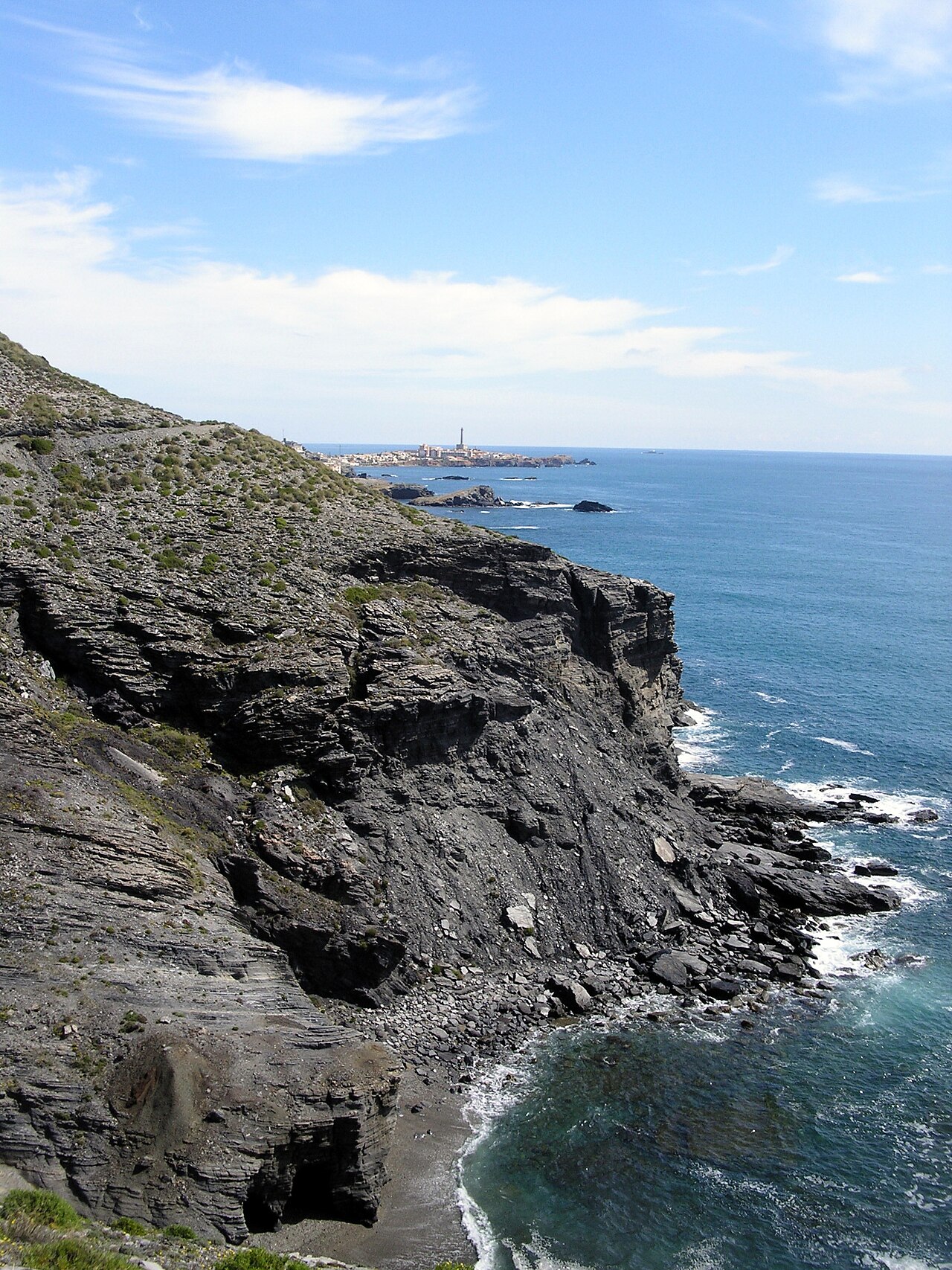
The 3.5 km course around Cabo de Palos
The race follows a single route of 3.5 kilometres that circles the headland from one side to the other. Setting off from the sheltered waters inside the port of Cabo de Palos, you swim outward toward an offshore islet, leaving the rocky outcrops on your left shoulder as you bend around the cape. Rounding the headland brings you into the open sea before the course turns back toward the mainland, finishing directly on the sand at Levante beach. In late October, the Mediterranean waters around the cape remain temperate, typically hovering around 19 to 20 degrees Celsius. Swimmers are required to tow a personal safety buoy throughout the crossing, while wetsuits are permitted for those looking for extra buoyancy or thermal comfort.
Organized by Club Natación Máster Murcia, the event welcomes swimmers across a broad spectrum of age categories, from senior divisions to master 70+ and adapted swimmers. In past editions, swimmers have encountered conditions shifting from smooth, favorable swells to spirited open-sea waves. Crossing the finish line brings a well-earned reward, with finisher medals and an assortment of sweet and salty refreshments waiting.
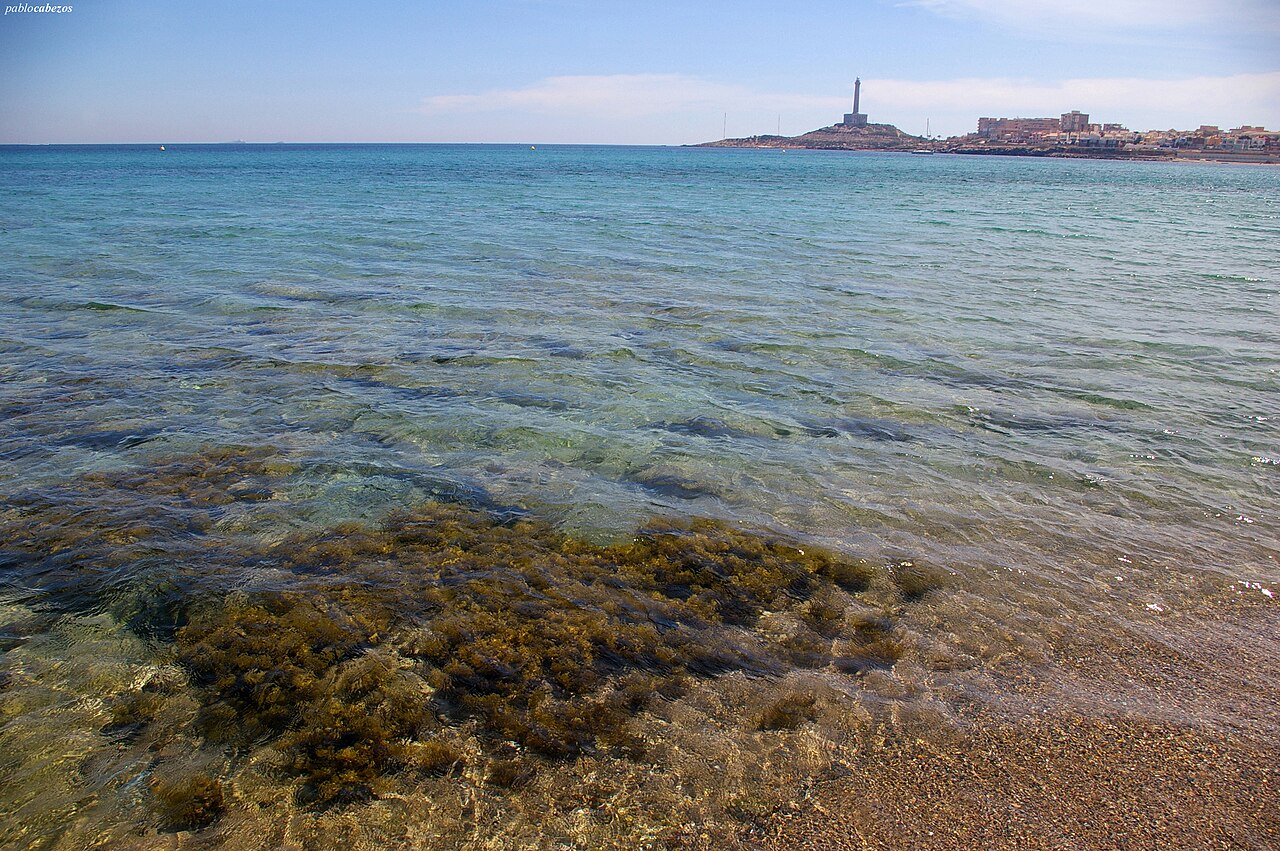
Cabo de Palos: from ancient altars to offshore wrecks
In 1554, King Charles I ordered the construction of the Torre de San Antonio on the cliffs to spot and defend against raids by Barbary corsairs. In 1865, the current stone lighthouse towered 80 meters above sea level to cast its beam far out over the Mediterranean. Maritime drama surfaced during the First World War, when the German submarine SM U-35 sank four vessels off Cabo de Palos and Isla Hormiga over two days in October 1917.
Volcanic cones and Posidonia meadows of the eastern islands
Offshore outcrops such as Isla Grosa and the islet of El Farallón arose from volcanic eruptions between 6.6 and 7.2 million years ago. On the south face of Isla Grosa, visible columnar jointing marks the places where molten volcanic lava cooled. Underneath the swell, the seabed surrounding Isla Grosa shelters the largest Posidonia oceanica meadow on the coast of the Region of Murcia, sustaining a thriving marine ecosystem. Overhead, the island's steep volcanic cliffs provide shelter to the third largest breeding colony of Audouin's gull in the world. Closer in, other volcanic remnants like Isla Rondella, formed seven million years ago, serve as protected nesting sanctuaries where colonies of little egrets and cattle egrets gather along the rocky ledges.
Mar Menor: the ancient lagoon beside La Manga
The Mar Menor is a shallow coastal lagoon spanning 135 square kilometers with a maximum depth of seven meters. The lagoon is separated from the open Mediterranean by La Manga, a 22-kilometer sandbar that shields its inland waters from open-sea breakers. During the Roman period, this inland basin was known as Palus, operating as a shelter for heavy vessels and a center for the production of the fermented fish sauce garum. Water circulates between the lagoon and the open sea through natural channels called golas, where local fishermen historically installed traditional reed traps known as encañizadas. To protect these rich fisheries and passage points, coastal watchtowers such as the sixteenth-century tower at El Estacio were erected to repel corsair attacks.
The fishing harbor and rocky calas of Cabo de Palos
On land, life in Cabo de Palos revolves around its intimate, U-shaped harbor, divided between the old Zeneta quarter of traditional fishermen's dwellings and the Paseo de la Barra promenade lined with cafes. Harbor restaurants and seaside terraces draw visitors with the local culinary specialty, caldero del Mar Menor, a traditional rice dish cooked with local fish. Sitting by the waterfront after a long swim is an essential ritual, taking in the maritime rhythm of the working village. Walking along the headland reveals an intricate shoreline of rugged cliffs and crystal-clear coves. At spots like Cala de la Escalerica, stone stairs hand-carved directly into the rock face lead swimmers down into tranquil, crystalline pools that are ideal for relaxed snorkeling.
To the south, hikers and coastal swimmers can pick up the GR-92 trail from Cala Reona to explore wild spots like Cala de los Dentones, a secluded 50-meter cove tucked within the scrub-covered dunes and rock formations of the Calblanque Regional Park.
Sources: Mar Menor · Cabo de Palos · Isla del Ciervo · Isla Rondella · Isla del Sujeto · Isla Grosa
Course
The 3.5 km course starts at the port of Cabo de Palos and finishes at Levante beach, circling the cape in a natural environment.
Awards
- Age group awards
12 categories in total.
How to get there
XII TimonCap Costa Cálida
Frequently asked questions
- When was the last edition of XII TimonCap Costa Cálida?
- The last edition of XII TimonCap Costa Cálida took place on October 24, 2026.
- What distances does XII TimonCap Costa Cálida offer?
- XII TimonCap Costa Cálida has a single distance: 3.5 km.
- How much is the entry fee for XII TimonCap Costa Cálida?
- The entry fee is 26 €.
- Where does XII TimonCap Costa Cálida take place?
- XII TimonCap Costa Cálida is a sea swim. Location: Cabo de Palos, Región de Murcia, Spain.
- How do I register for XII TimonCap Costa Cálida?
- The reference page for registering for XII TimonCap Costa Cálida is https://www.lineadesalida.net/carreras/xii-timoncap-costa-calida-2026.
Where to stay
Cabo de Palos offers a mix of traditional fishermen's dwellings repurposed as vacation rentals and boutique hotels situated directly on the marina. For those preferring an outdoor experience, there are several camping sites located near the beach. Expect to pay between 80 and 150 EUR per night for a mid-range double room during the late October period, though prices fluctuate based on proximity to the port and the specific level of amenities offered.
Things to do nearby
The weekend provides opportunities to explore the archaeological heritage of the Las Amoladeras settlement, dating back to the Neolithic period. Beyond the historical sites, the area is suited for sea kayaking and stand-up paddleboarding, allowing visitors to navigate the calm waters of the lagoon. Local gastronomy focuses on fresh seafood, with several taverns near the lighthouse offering tastings of regional specialties that highlight the area's long-standing connection to Mediterranean fishing traditions.
Swimmers
Similar races


Comments
Transparency: some links on this page (stays, flights, experiences, gear) are affiliate links — if you book or buy through them, Omniathlon may earn a commission from the partner at no extra cost to you. As an Amazon Associate we earn from qualifying purchases.