XIX Travesía Tabarca-Santa Pola
- Jul 4, 2027
- Distance: 5.9km
At a glance
- Next edition date
- July 4, 2027
- Distances
- 5.9 km
- Where
- Sea · Tabarca - Santa Pola, Santa Pola, Comunitat Valenciana, Spain
- Registration
- chiplevante.com
About the race
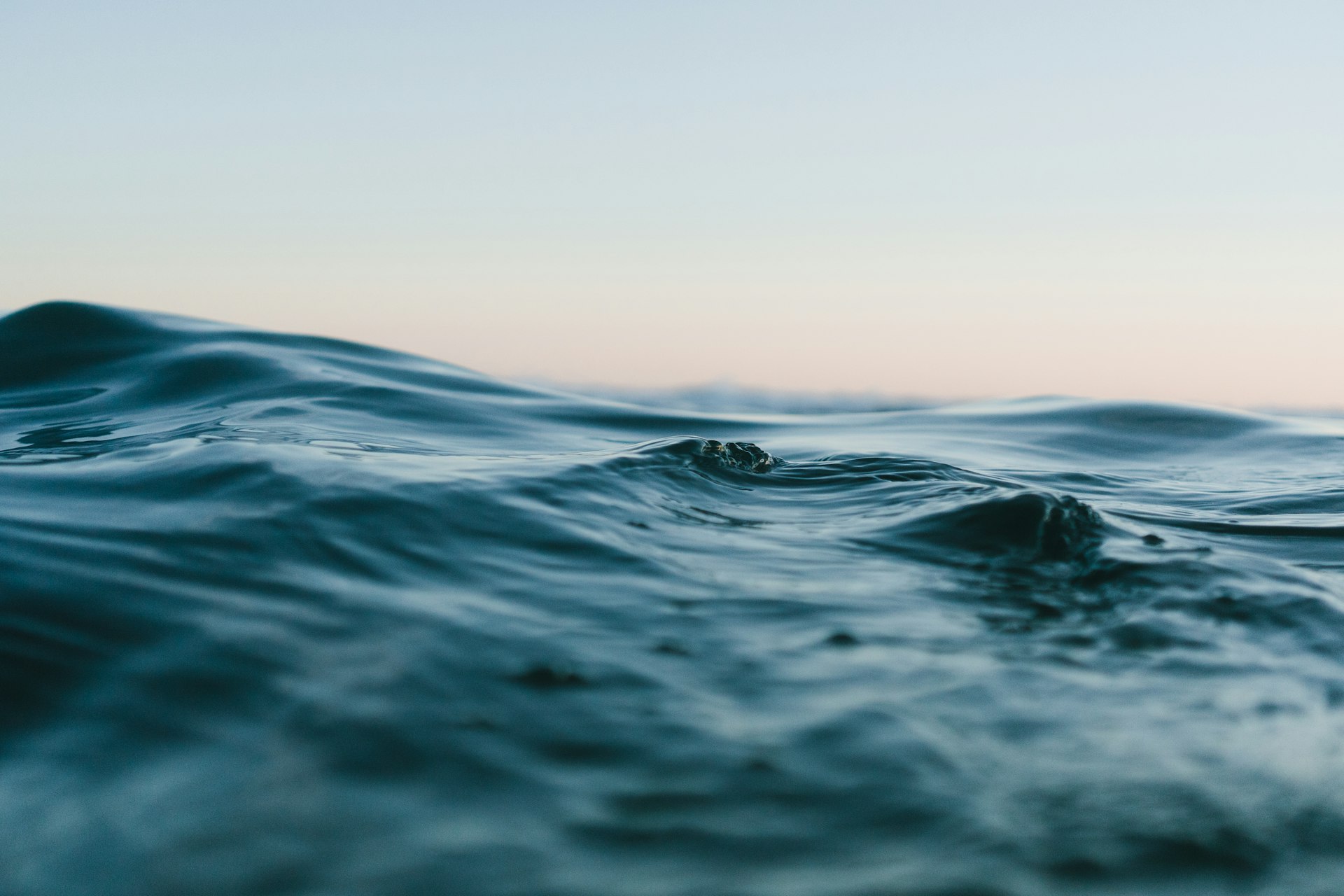
A straight stretch of nearly six kilometers of open Mediterranean sea separates the island of Tabarca from the mainland beaches of Santa Pola. Organized by Club Natación Alone, the Travesía Tabarca-Santa Pola is an open-water sea crossing held off the coast of Santa Pola in Comunitat Valenciana. First organized in 1996, this crossing has grown into one of Spain's most popular open-water events, gathering around 1,400 swimmers and earning a place among the world's top one hundred open-water swims. The swim traces an uninterrupted 5,900-meter straight line from the shores of Tabarca straight across the channel to Playa del Varadero on the Santa Pola mainland. Swimmers follow a meticulously marked sea corridor, lined with course buoys every 100 meters and yellow balloons every 200 meters to aid line-of-sight navigation across the open water.
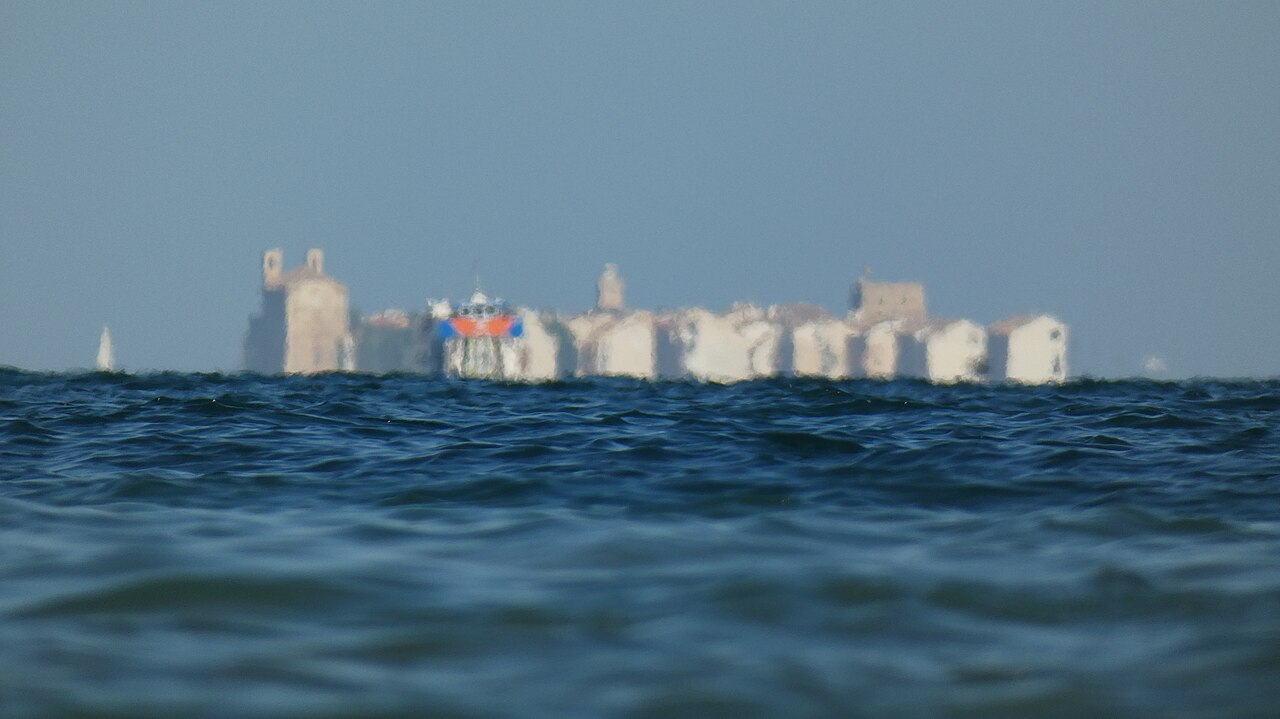
Each full kilometer mark—one, two, three, four, and five—is marked by large red buoys topped with red balloons to help you gauge your progress across the open sea. To ensure total safety throughout the crossing, every participant swims with a personal tow float safety buoy. Spotting the mainland coast growing closer stroke by stroke, swimmers finally make landfall on the soft sands of Playa del Varadero. Crossing the shore through a computerized timing control arch, you are met with post-race refreshments, the award ceremony, and a celebratory gathering of swimmers and spectators right by the water.
Reserva Marina de Tabarca and its Mediterranean seabed
What makes the channel between the island and the mainland so striking is that every stroke passes through Spain's first marine reserve. Established around the island in 1986, the marine reserve of Tabarca protects 1,400 hectares of pristine coastal waters. In the shallower rocky patches near the shore, dense green algae carpet the submerged stone, gradually transitioning to rich red algae communities in deeper sections. These protected underwater meadows harbor a remarkable concentration of Mediterranean marine life. Schools of salema and saddled seabream dart over the sea grass, while common seabream, dentex, and gilt-head bream swim alongside dusky groupers, wreckfish, and larger groupers. The reefs are also home to spiny lobsters, noble pen shells anchored in the sand, vermetid snails, vibrant gorgonian corals, sea urchins, starfish, and natural sponges.
Isla de Tabarca from pirate haven to fortified village
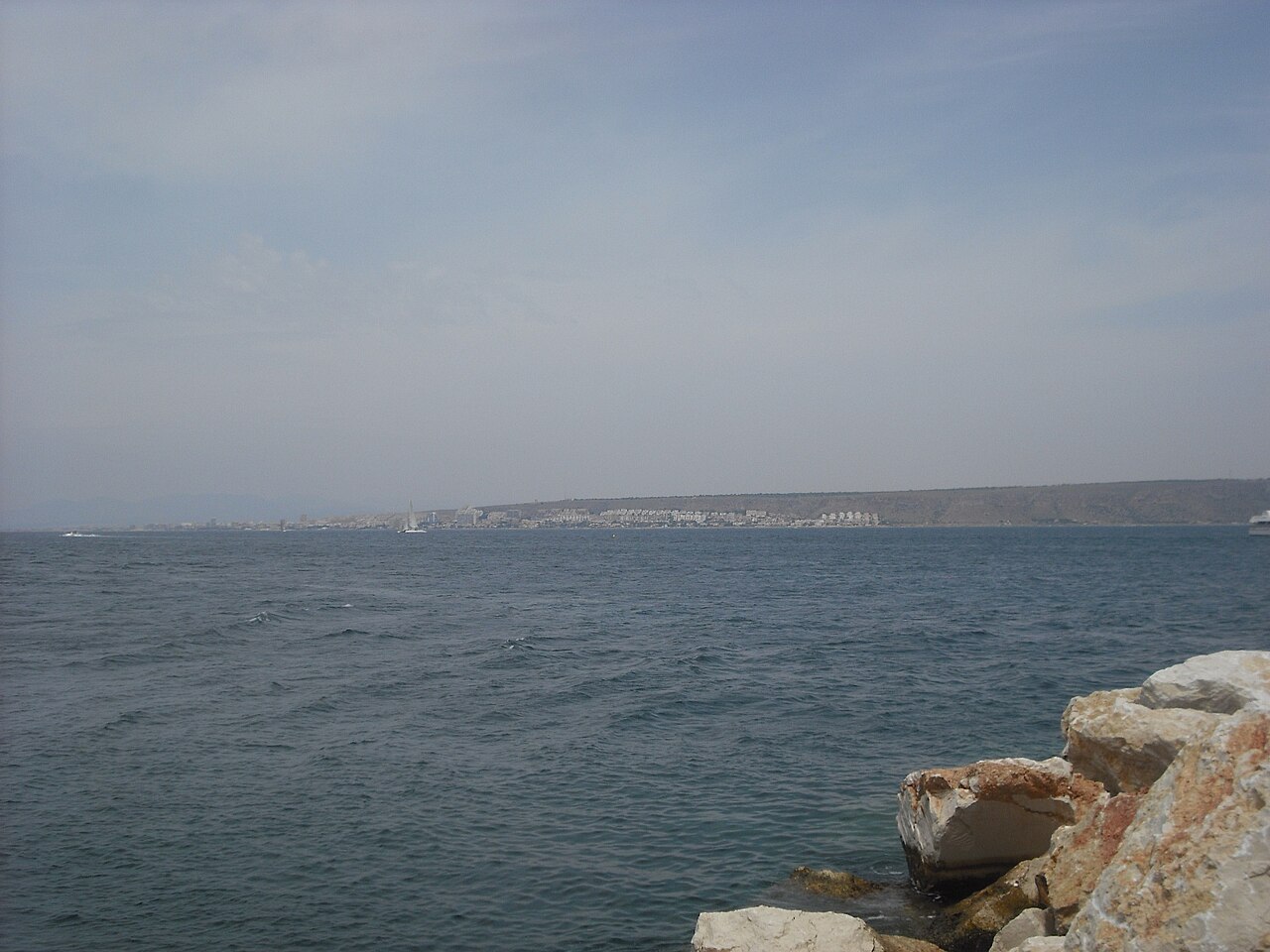
These surrounding reefs historically posed perils for navigation, prompting the construction of the island's lighthouse in 1854. For centuries, Tabarca's strategic position in the channel made it an infamous sanctuary and operating base for Barbary corsairs raiding the Spanish mainland. That piratical era came to an end in 1760, when King Charles III ordered the complete fortification of the island, creating a secure walled settlement that was populated by rescued Genoese sailors. The heavy stone walls designed by military engineer Fernando Méndez de Ras began rising in 1769, tracing the natural contour of the island's perimeter, where portions of the original battlements still stand over the crashing surf today. Today, a charming harbour cuts across the island, separating the open natural terrain from the quiet historic village. After day-trippers depart on the evening ferries, the fortified village settles into a tranquil, romantic silence, its historic stone lanes illuminated softly beneath vintage street lamps.
Cabo de Santa Pola and the fleets of Portus Ilicitanus
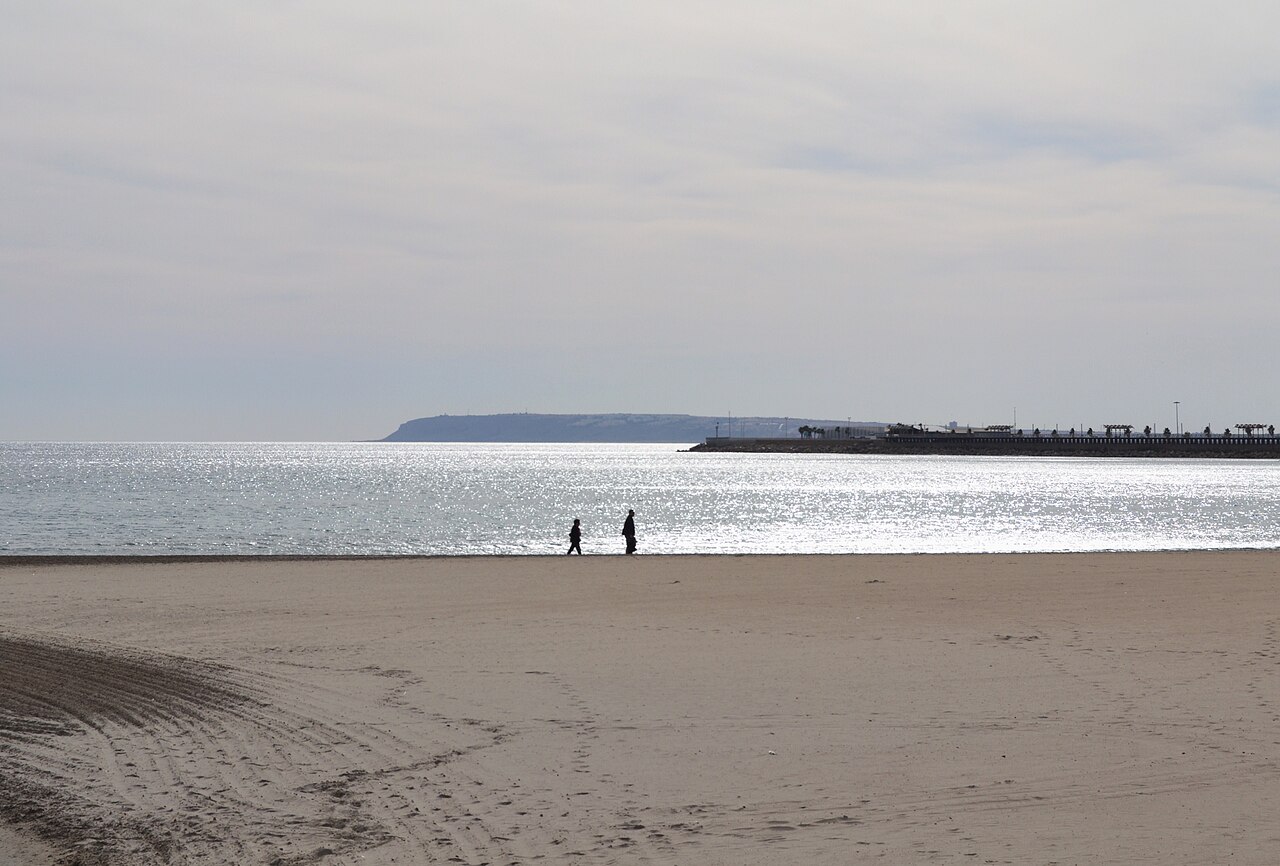
Looking across the water from Tabarca toward the mainland, your visual compass is guided by Cabo de Santa Pola, which forms the closest mainland headland to the island at just four and a half kilometers away. The cape is a geological marvel—a rare fossil coral reef dating back to the Mio-Pliocene period that drops dramatically toward the sea. Crowned by a modern navigational lighthouse erected on the foundations of the ancient Atalayola watchtower, the foot of the promontory is traced by a scenic shoreline road that borders secluded rocky coves. Just three kilometers from the race area lie the ancient remains of Portus Ilicitanus, which ranked alongside Carthago Nova as one of the Roman Empire's most vital maritime trade hubs along this coast.
Excavations here reveal bustling industrial complexes dating from the first through fourth centuries dedicated to processing salted fish. Nearby, an extensive Roman necropolis spanning the second to fifth centuries highlights the enduring maritime community that once lived directly on this shore. In the year 460, an entire Roman imperial fleet assembled in the harbor to campaign against the Vandals was caught by surprise and burned offshore. Centuries later, between 612 and 621, the Visigoths stationed their own war fleet in the very same bay, deploying from this coast to repel a Byzantine invasion.
The coastal lagoons of Salinas de Santa Pola
Just inland behind Santa Pola's coastline, about seven kilometers from the finish beach, sits the protected wetland of Salinas de Santa Pola. The park occupies what was once part of the great Elche coastal lagoon, which was largely filled in during the 17th century before being converted to sea-salt production via solar evaporation in 1900. The landscape here alternates between salt pans, dynamic coastal sand dunes, and pristine beaches. Rising above the water channels of the lagoon stands the Torre de Tamarit, an ancient coastal watchtower that historically guarded the entrance to the estuary. Today, the surrounding shallow salt flats offer one of the coast's most extraordinary natural sights, hosting up to 8,000 breeding flamingos that paint the coastal lagoons pink during the warm summer months. From the coral cliffs of the cape to the marine reserve, swimming from Tabarca to Santa Pola remains an authentic Mediterranean crossing through living history.
Sources: Cabo de Santa Pola · Portus Ilicitanus · Tabarca
Course
A popular medium-distance open water swim covering 5,900 meters in a straight line from Tabarca Island to the mainland (Santa Pola).
Previous editions
How to get there
XIX Travesía Tabarca-Santa Pola
Frequently asked questions
- When is XIX Travesía Tabarca-Santa Pola?
- XIX Travesía Tabarca-Santa Pola takes place on July 4, 2027.
- What distances does XIX Travesía Tabarca-Santa Pola offer?
- XIX Travesía Tabarca-Santa Pola has a single distance: 5.9 km.
- Where does XIX Travesía Tabarca-Santa Pola take place?
- XIX Travesía Tabarca-Santa Pola is a sea swim. Location: Tabarca - Santa Pola, Santa Pola, Comunitat Valenciana, Spain.
- How do I register for XIX Travesía Tabarca-Santa Pola?
- The reference page for registering for XIX Travesía Tabarca-Santa Pola is https://www.chiplevante.com/es/prueba/travesia-a-nado-tabarca-santa-pola-862-2026.
Where to stay
Santa Pola offers a variety of stays ranging from functional boutique hotels near the harbor to family-run apartments closer to the Salinas. You will find several camping options along the coast, which are particularly convenient for early-morning race logistics. Prices generally hover between €80 and €150 per night during the July season, though booking well in advance is essential given the influx of 1,400 swimmers and their support crews.
Things to do nearby
Beyond the race, the area is defined by its Roman industrial history, particularly the archaeological site of the ancient fish-salting factory near the port. You can explore the Santa Pola Salinas, a protected bird sanctuary ideal for trekking or birdwatching, or take a kayak out to observe the geological features of the fossilized reef at the cape. Local gastronomy is centered on fresh catch from the port, with numerous spots offering traditional salt-crusted fish dishes.
Swimmers
Similar races


Comments
Transparency: some links on this page (stays, flights, experiences, gear) are affiliate links — if you book or buy through them, Omniathlon may earn a commission from the partner at no extra cost to you. As an Amazon Associate we earn from qualifying purchases.