
20 Bridges Swim Around Manhattan — Relay
- Distance: 45.9km
At a glance
- Distances
- 45.9 km
- Where
- Sea · Manhattan Island, New York City, New York, United States
- Entry fee
- 5600 USD
- Registration
- nyopenwater.org
About the race
Swimming 45.9 kilometers around Manhattan Island traces a counter-clockwise loop that defines the edge of New York City. The 20 Bridges Swim Around Manhattan — Relay takes swimmers into the saltwater currents and river straits encircling Manhattan Island. Spanning 28.5 miles, this full circumnavigation can be undertaken as an individual solo challenge or as a team relay. Beyond its demanding distance, the event holds a historic place in endurance athletics as one of the three components of the Triple Crown of Open Water Swimming, alongside the English Channel and the Catalina Channel. Since 2016, New York Open Water has served as the exclusive governing body and organizer for the swim around Manhattan Island.
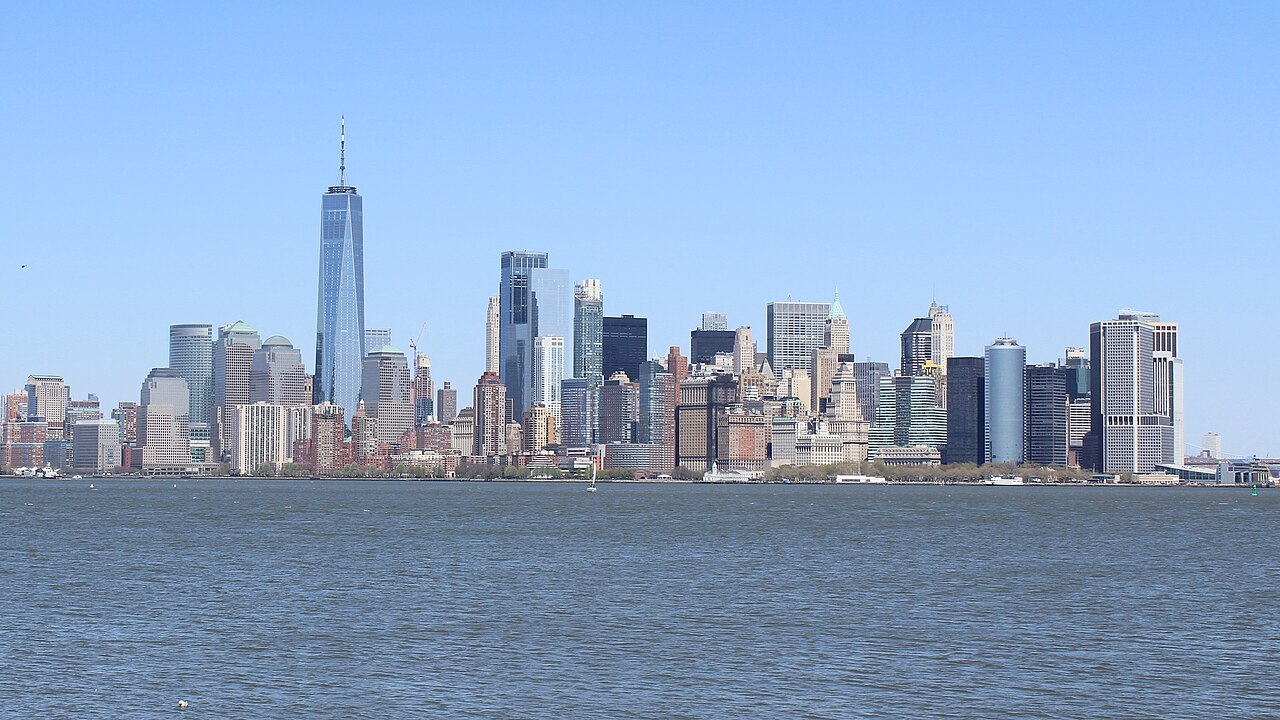
The circumnavigation gets underway from either Pier A in Lower Manhattan or Mill Rock on the Upper East Side. Every swimmer or relay team is escorted throughout the course by a dedicated crew that includes a support boat, captain, paddler, and an official observer, backed by live GPS tracking. Water temperatures fluctuate across the season, dipping down to around 60 degrees Fahrenheit in October.
The East River: fast tidal currents and heavy maritime traffic
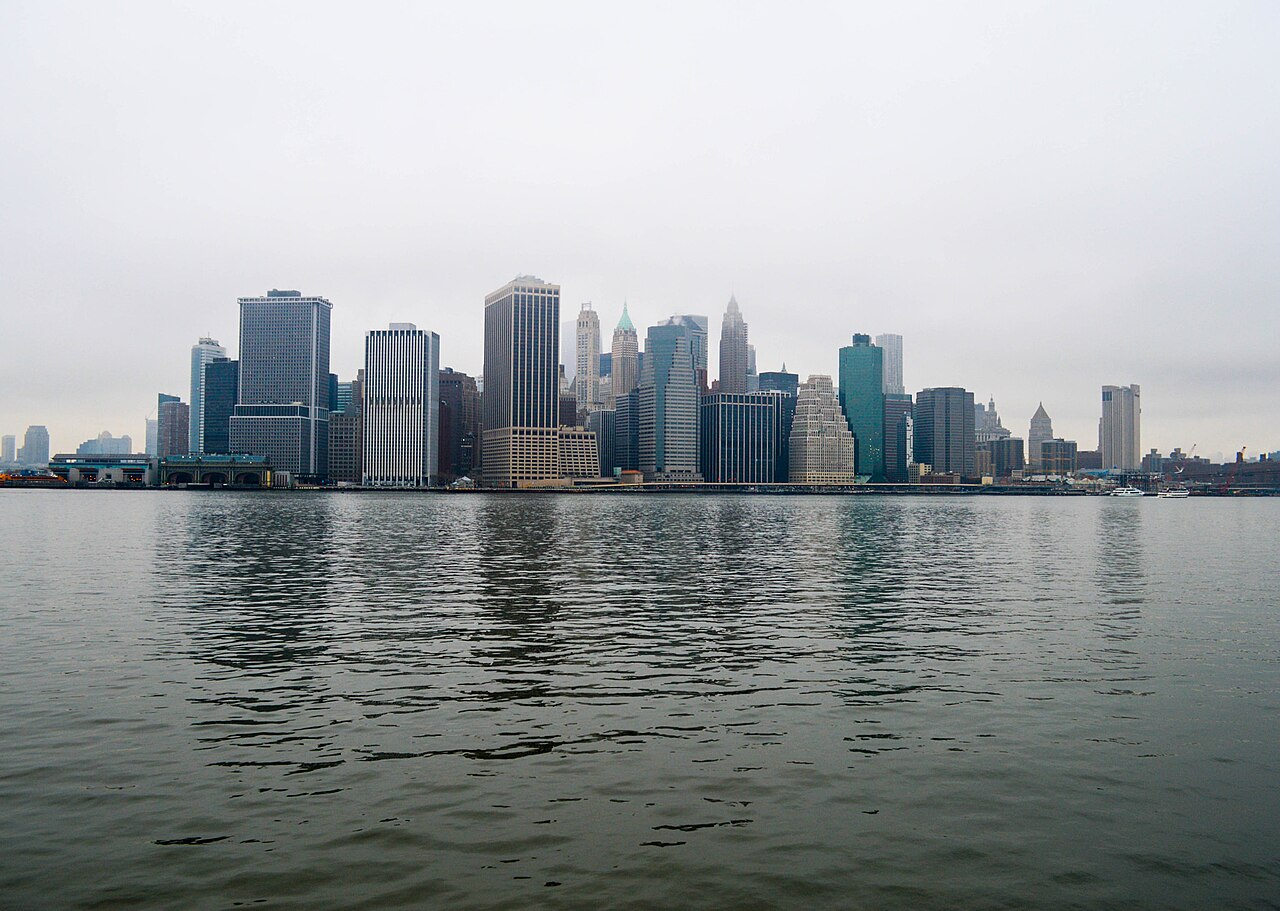
The opening stretch takes swimmers through the East River, a saltwater tidal strait that connects New York Harbor to Long Island Sound. Fast-moving tidal currents propel swimmers along this leg, creating a brisk, sweeping pace. Swimmers feel the immediate pull of the current beneath them, requiring steady focus to ride the flow efficiently. Sharing these waters also means navigating bustling activity. Swimmers in past editions have described negotiating the East River as a complex navigational matrix, sharing the churning brackish water with container barges, commuter ferries, and recreational jet skis. Staying tight with the escort paddler ensures a steady, protected line through the wakes as traffic moves across the strait.
The Harlem River: fifteen bridges and sheltered calm
Rounding the northern curve brings the route into the Harlem River, an eight-mile corridor crossed by 15 individual bridges. This narrower stretch offers a striking contrast to the open straits, characterized by relatively calm waters and a slower current. The succession of bridges passes overhead one by one, creating distinct structural milestones across the northern end of the island. After the churn of the East River, swimmers have described entering the Harlem River as reaching a flat, calm passage that feels almost like a fairytale. The sheltered channel protects swimmers from heavy turbulence, allowing them to settle into a steady, uninterrupted stroke rhythm. Swims that continue into the evening hours bring a unique urban soundtrack across the water. Participants swimming through the Harlem River at night have recounted the surreal experience of hearing a live Jay-Z concert echoing over the dark channel from nearby Yankee Stadium.
The Hudson River: open chop beneath the Manhattan skyline
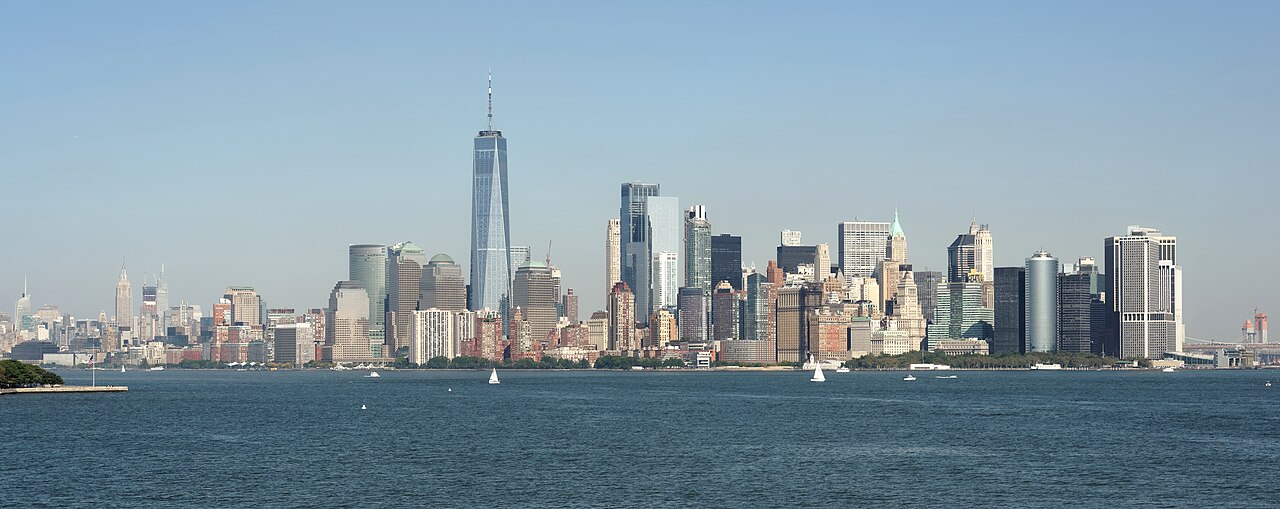
The course features the broad Hudson River, which separates Manhattan from New Jersey. Entering this wide waterway brings an immediate physical shift; swimmers have noted that the sudden river chop can feel like a slap in the face after the serene shelter of the Harlem River. This surface roughness is a natural characteristic of the expansive river, kicked up in the afternoon by shifting winds and regular boat traffic. Swimmers who adjust their breathing and stroke rate quickly find their rhythm across the rolling chop. Heading south toward the finish at night turns into a deeply moving, spiritual journey.
New York Harbor and the Hudson: historic gateways of the Atlantic
In 1524, Giovanni da Verrazzano became the first European to document a visit to New York Harbor. The following year, in January 1525, a Spanish expedition led by Estêvão Gomes charted the mouth of the Hudson River, recording it on maps as Río de San Antonio. Henry Hudson explored New York Harbor in 1609 while searching for the Northwest Passage. By 1624, Dutch traders established a fur trading settlement on Governors Island. Centuries of commercial development followed, including the 1825 completion of the Erie Canal, which linked the Atlantic port directly to the continental interior via the Hudson River. In 1886, the Statue of Liberty was dedicated in New York Harbor, standing as an enduring beacon.
Sources: New York City
Course

45.9km counter-clockwise loop around Manhattan Island. Starts at Pier A or Mill Rock. Traverses East River (strong tides), Harlem River (calm, 15 bridges), and Hudson River (choppy, George Washington Bridge).
Awards
This is a marathon swim event; focus is on completion and official recognition by MSF.
How to get there
Boat loading for all participants takes place in Lower Manhattan on the West Side.
20 Bridges Swim Around Manhattan — Relay
Frequently asked questions
- What distances does 20 Bridges Swim Around Manhattan — Relay offer?
- 20 Bridges Swim Around Manhattan — Relay has a single distance: 45.9 km.
- How much is the entry fee for 20 Bridges Swim Around Manhattan — Relay?
- The entry fee is 5600 USD. Deposit of $750 required. Full fees due per schedule. Fees include support boat, crew, and tracking.
- Where does 20 Bridges Swim Around Manhattan — Relay take place?
- 20 Bridges Swim Around Manhattan — Relay is a sea swim. Location: Manhattan Island, New York City, New York, United States.
- How do I register for 20 Bridges Swim Around Manhattan — Relay?
- The reference page for registering for 20 Bridges Swim Around Manhattan — Relay is https://www.nyopenwater.org/20-bridges-swim/.
Where to stay
Swimmers typically favor the boutique hotels along the waterfront in Lower Manhattan or the quieter, residential-style apartments in the Upper East Side, close to the boat departure points. For those seeking a more local experience, historic brownstone rentals in Brooklyn can offer a stay within reach of the harbor. Prices in these areas are premium, generally ranging from 350 to 600 USD per night depending on the season and proximity to the water.
Things to do nearby
Beyond the water, the city offers a dense concentration of experiences ranging from private culinary tours in the Lower East Side to walking the elevated paths of the High Line. Visitors often explore the maritime history of the South Street Seaport or book a harbor kayak session to view the skyline from a lower perspective. For a quieter pace, the green expanses of Central Park provide a necessary counterpoint to the intensity of the metropolitan core.
Swimmers
What to see around
1. Statue of Liberty and Ellis Island (ferry from Battery Park). 2. High Line Park (elevated walking path). 3. Brooklyn Bridge (scenic pedestrian walkway). 4. Central Park (running or cycling). 5. 9/11 Memorial & Museum (history and architecture).
Other races by this organiser
- Ederle-Burke SwimNew York, US
- 2 Bridges Swim Under The WalkwayPoughkeepsie, US
- 40 Bridges - Double Manhattan Island SwimNew York City, US
- 8 Bridges Hudson River SwimNew York, US
- Little Red Lite SwimNew York, US
- Lake Minnewaska Silver Jubilee SwimKerhonkson, US
Similar races


Comments
Transparency: some links on this page (stays, flights, experiences, gear) are affiliate links — if you book or buy through them, Omniathlon may earn a commission from the partner at no extra cost to you. As an Amazon Associate we earn from qualifying purchases.