
8 Bridges Hudson River Swim
- Distance: 193km
At a glance
- Distances
- 193 km
- Where
- River · Hudson River — 7 tappe, 120 miglia, New York, United States
- Entry fee
- 18,600 USD
- Registration
- nyopenwater.org
About the race
Spanning 120 miles of open water over seven stages in June, the descent through the Hudson River valley connects eight monumental bridges from the Catskills down to New York Harbor. Known as the 8 Bridges Hudson River Swim, this marathon event takes place in the Hudson River in New York. Organized by New York Open Water, it stands as the longest marathon swim in the world, totaling 193 kilometers of river navigation over an eight-day window. The competition was co-founded by marathon swimmers David Barra and Rondi Davies, who launched the inaugural test swims in 2011. The race takes its name from the eight landmark crossings that punctuate the route downstream.
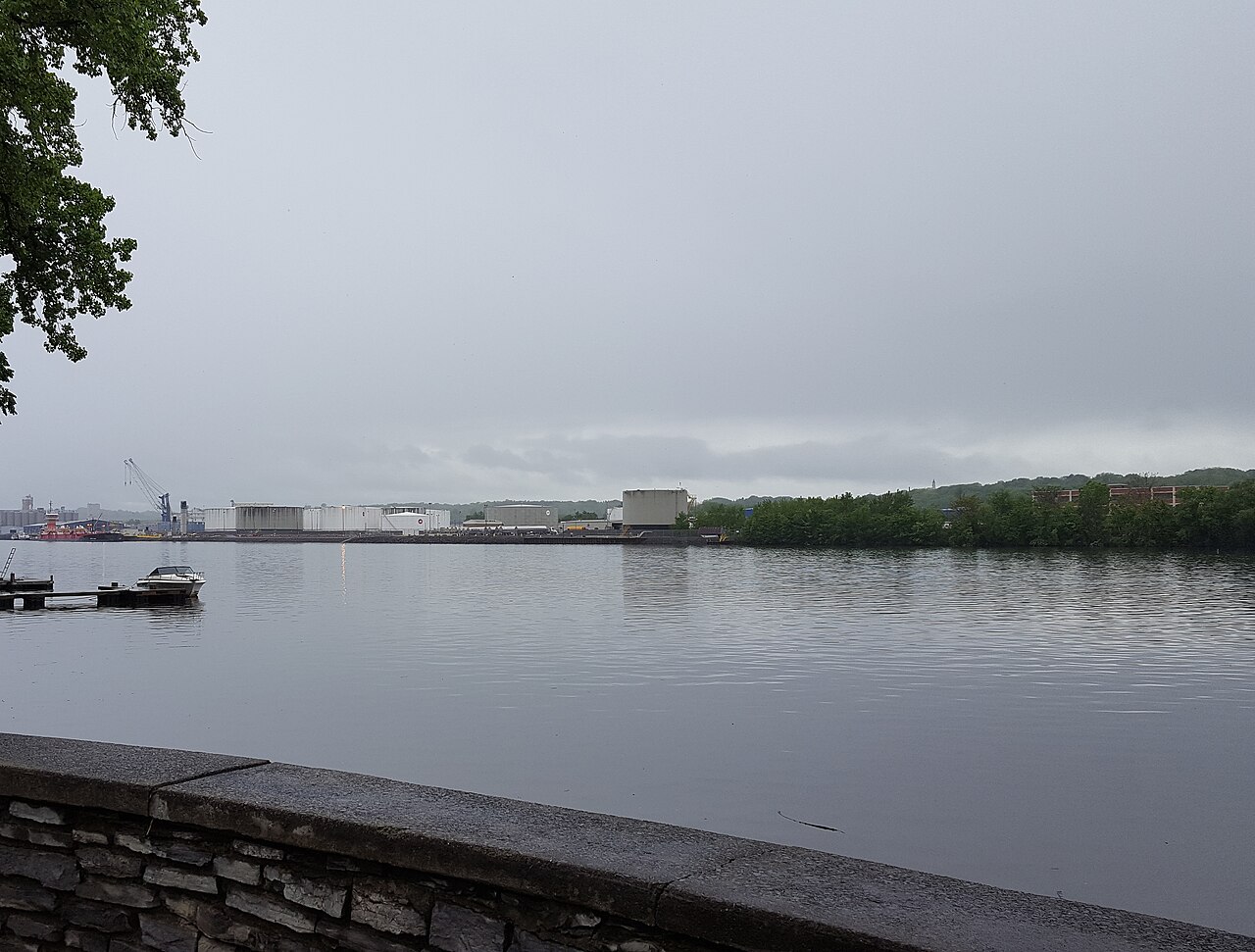
Starting from the Rip Van Winkle Bridge, competitors navigate under the Kingston-Rhinecliff, Mid-Hudson, Newburgh-Beacon, Bear Mountain, Cuomo, and George Washington bridges, before finishing beneath the towering spans of the Verrazano-Narrows Bridge where the river meets the sea. Each day delivers an independent endurance test, with individual stages measuring between 13.2 miles and 19.8 miles. Swimmers do not face the distance alone, as every entrant is accompanied by a dedicated support boat, an escort paddler, an official observer, and satellite GPS tracking. Participants supply their own personal support crew for the escort vessel. This close companionship proves vital as the river shifts from peaceful rural valleys to dense urban corridors. Conditions vary sharply across the week, reflecting the sheer scale of the Hudson.
In past editions, participants have experienced quiet mornings beneath the Catskill peaks followed by turbulent stretches, including a stage that brought heavy flood tides, large swells, and stiff headwinds. Stage 5 is nicknamed 'The Beast'—affectionately rebranded as 'The Kitten' by one resolute swimmer—due to its relentless physical demands. Yet the presence of dedicated escort boats and real-time monitoring allows competitors to meet these challenges with complete logistical confidence.
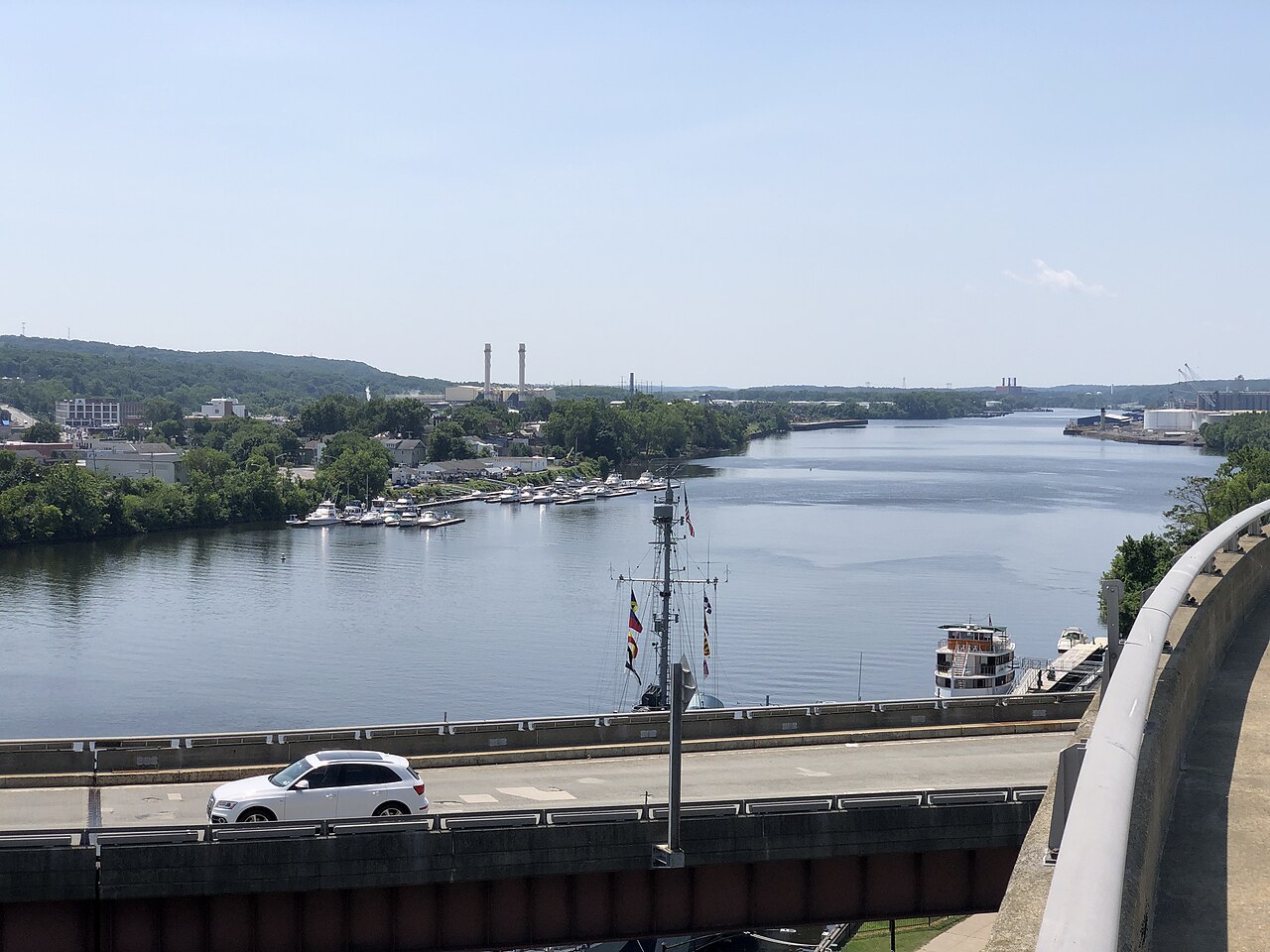
The tidal Hudson estuary from the Catskills to the Atlantic
Although referred to as a river, the Hudson operates as an expansive arm of the Atlantic Ocean. The waterway functions as a true marine estuary stretching from New York Harbor all the way to the Federal Dam, located three miles north of Albany. This oceanic connection makes the Hudson a mercurial river whose swirling currents can present serious obstacles for marathon swimmers. To manage these demanding waters, race organizers meticulously time every stage to coincide with the estuary's powerful ebb tide, using the downstream flow to help propel swimmers downriver. By riding the seaward surge, competitors turn the natural pulse of the estuary into an ally rather than an adversary.
Protecting the environment through which swimmers travel is central to the event's ethos. The race partners directly with Riverkeeper, a local clean-water advocacy group dedicated to safeguarding the ecological health and public recreational use of the Hudson River. Swimmers dive into the water, ensuring that this historic waterway remains a vibrant, thriving corridor for open water athletics.
Four centuries of navigation from Dutch outposts to steamships
Long before marathon swimmers took to the channel, the Hudson served as a vital arterial route for indigenous nations and early European explorers. In 1609, Henry Hudson sailed the river on behalf of the Dutch. By 1614 or 1615, Hendrick Christiaensen had erected Fort Nassau on the island, surrounding the small fur-trading compound with an 18-foot defensive moat. The Hudson quickly revealed its raw power to the earliest settlers. Powerful spring freshets damaged Fort Nassau in 1617, forcing its abandonment, while a second flood wrecked its replacement at the mouth of the Normans Kill in 1618. Undeterred, Dutch authorities constructed Fort Orange in 1624 on higher ground south of the Mohawk River confluence, followed in 1629 by the vast patroonship of Rensselaerswyck, which controlled 24 miles of shoreline along the Hudson's banks.
Centuries later, the river hosted the dawn of modern mechanical transport. In 1809, Robert Fulton’s Clermont steamed southward from Albany to New York City, completing the first commercially successful voyage by steamboat in history. As trade multiplied, infrastructure evolved to span the busy channel; the historic Livingston Avenue Bridge was completed in 1866, featuring a rotating swing section that still pivots roughly 400 times a year on its original nineteenth-century pilings to let vessels pass. Maritime relics remain stationed along the riverbanks, including the USS Slater, preserved and berthed at the Port of Albany. After decades of postwar service in the Aegean Sea, the vessel was towed across the Atlantic from Crete in 1993 and opened to visitors as a floating museum on the Hudson. Tracing these historical banks from the water gives swimmers an intimate glimpse into the trade networks and industrial heritage that shaped the modern state.
Hudson Valley riverfronts from Kingston lawns to Newburgh docks
Beyond the racecourse, the river towns along the course have revitalized their shorelines into lively gathering spots for crews and spectators. Upriver in the town of Hudson, Henry Hudson Riverfront Park offers sweeping vantage points across the water, making it a celebrated local spot to gather and watch evening sunsets. Further down the current at Kingston, the River Pavilion features wide open lawns running down toward the water, providing clear, unobstructed views across the channel. Midway through the descent, Poughkeepsie combines active boat access with high-perched hospitality. Perched 40 feet above the river, Shadows on the Hudson delivers expansive panoramic vistas stretching directly out toward the Mid-Hudson Bridge, while the adjoining Shadows Marina provides docks for boaters coming ashore from the water.
Further downstream, the waterfront at Newburgh has evolved into a vibrant dining hub filled with riverfront patios and casual taverns. Among them, the Newburgh Brewing Company occupies a restored industrial building fitted with broad picture windows overlooking the river channel. Toward the southern end of the valley, Harvest on Hudson in Hastings-on-Hudson brings diners right to the water's edge, framing dramatic views across the wide lower river toward the imposing cliffs of the Palisades.
Course
A 7-stage marathon swim covering 120 miles of the Hudson River, from the Catskills to the Narrows in New York Harbor. Each stage follows the ebb tide between major bridges: Rip Van Winkle, Kingston-Rhinecliff, Mid-Hudson, Newburgh-Beacon, Bear Mountain, Cuomo, George Washington, and Verrazano Narrows.
Awards
This is a marathon swim event; focus is on completion and navigation of the river stages.
How to get there
8 Bridges Hudson River Swim
Frequently asked questions
- What distances does 8 Bridges Hudson River Swim offer?
- 8 Bridges Hudson River Swim has a single distance: 193 km.
- How much is the entry fee for 8 Bridges Hudson River Swim?
- The entry fee is 18,600 USD. Deposit of $750 required. Full fees due per schedule. 2025 solo price: $18,600; tandem: $9,650 per swimmer.
- Where does 8 Bridges Hudson River Swim take place?
- 8 Bridges Hudson River Swim is a river swim. Location: Hudson River — 7 tappe, 120 miglia, New York, United States.
- How do I register for 8 Bridges Hudson River Swim?
- The reference page for registering for 8 Bridges Hudson River Swim is https://www.nyopenwater.org/8-bridges-hudson-river-swim/.
Where to stay
The Hudson Valley offers diverse lodging options, from historic riverside inns and boutique hotels in river towns like Kingston or Beacon to independent guesthouses near the various bridge access points. Many swimmers opt for short-term rentals in the towns flanking the river to facilitate easy access to the daily start and finish boat ramps. Prices typically range from $180 to $350 per night depending on the proximity to the waterfront and the local peak season demand.
Things to do nearby
The region is defined by its deep cultural and environmental ties to the river. Visitors often explore the riverbanks via kayak and SUP tours, or hike the trails that overlook the valley at sites like the Hudson Highlands. Cultural offerings include visits to historic estates, local vineyard tastings in the valley, or tours of the various art centers that occupy converted industrial spaces along the riverfront.
Swimmers
Other races by this organiser
- Ederle-Burke SwimNew York, US
- 2 Bridges Swim Under The WalkwayPoughkeepsie, US
- 20 Bridges Swim Around Manhattan — RelayNew York City, US
- 40 Bridges - Double Manhattan Island SwimNew York City, US
- Little Red Lite SwimNew York, US
- Lake Minnewaska Silver Jubilee SwimKerhonkson, US
Similar races



Comments
Transparency: some links on this page (stays, flights, experiences, gear) are affiliate links — if you book or buy through them, Omniathlon may earn a commission from the partner at no extra cost to you. As an Amazon Associate we earn from qualifying purchases.