
Circuito Paulista de Maratonas Aquáticas — São Sebastião (outubro)
- Oct 25, 2026
- Last edition date
At a glance
- Last edition date
- October 25, 2026
- Where
- Sea · São Sebastião, São Paulo, Brazil
- Registration
- instagram.com
About the race
Between the mainland shores of São Sebastião and the 1,300-metre peaks of Ilha de São Sebastião stretches a channel where open water swimmers gather. The Circuito Paulista de Maratonas Aquáticas — São Sebastião is an open water swimming race held in the sea at São Sebastião, in the state of São Paulo, Brazil. Organized by Igor Souza, this stage takes place in October. The Circuito Paulista de Maratonas Aquáticas is considered the oldest and most popular open water swimming event in the state of São Paulo. Its waters offer ideal conditions for open water swimming, drawing experienced competitors and beginners alike to the marine channel. In past editions, swimmers have reported calm sea conditions, pleasant water temperatures, and clear water along the course. The race atmosphere is heightened by the local crowd and teams that gather by the water to cheer on competitors.
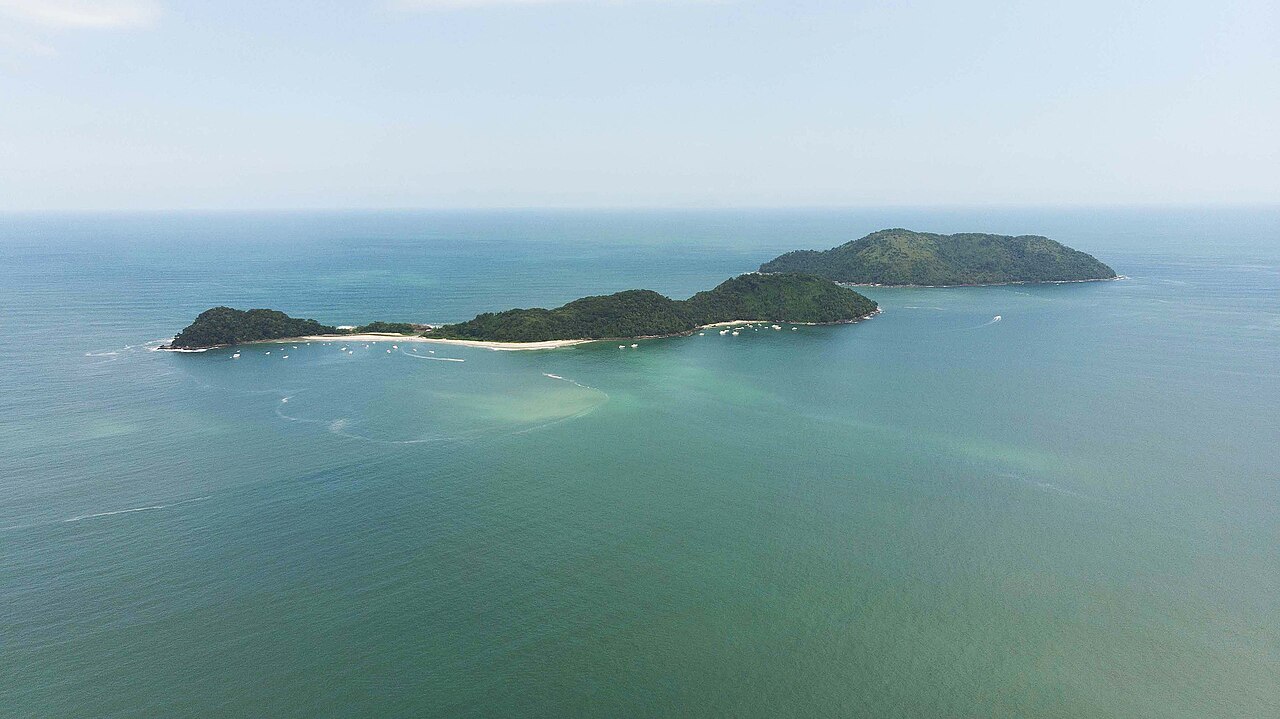
Canal de São Sebastião: the volcanic strait between mainland and island
The race takes place in the waters of the channel separating the city of São Sebastião from the island of Ilhabela. Known both as the São Sebastião channel and the Canal do Toque-Toque, this maritime passage is between 18 and 30 kilometres long and narrows to a minimum width of 2 kilometres. The coastal islands throughout the region owe their dramatic profiles to ancient volcanic activity. The maritime access channel for the local port runs for 22.8 kilometres, with a width of 500 metres and a depth of 18 metres at its northern entrance, and a width of 300 metres and a depth of 25 metres at its southern entrance.
Within the port zone, about one kilometre from the race area, the TEBAR maritime terminal handles oil and derivatives in waters ranging from 14 to 26 metres deep. Across the strait, the Ilha de São Sebastião stands as the second-largest maritime island in Brazil, crowned by rugged mountain peaks that reach up to 1,379 metres in altitude. Two lighthouses mark the navigational corridor of the channel, one positioned at Ponta das Canas in the north and another at Ponta das Selas on the southwestern tip of the island. Beyond the immediate strait, other volcanic formations dot the waters of the municipality. The Alcatrazes Archipelago is a protected marine area within the Tupinambás Ecological Station, where fishing and diving are strictly prohibited.
This island group harbors three endemic wildlife species: two frogs, Cycloramphus faustoi and Ololygon alcatraz, as well as an endemic pitviper, Bothrops alcatraz. Further along the coastline, the Ilha Montão de Trigo is the only island in the municipality with a permanent human community, home to 52 caiçara residents. Down the coast at Juqueí beach, swimmers also gather for the Volta do Parcel, an open water swimming competition that circles a nearby unnamed skerry.
Ponta das Canavieiras and the corsair shores of the strait
In 1502, the maritime expedition led by Gonçalo Coelho and Amerigo Vespucci arrived in the area and bestowed the name São Sebastião upon the main island. During the 16th and 17th centuries, the island served as a refuge and supply point for English, French, and Dutch pirates and privateers seeking shelter along the coast. Commercial enterprise later developed along the shore, including an 18th-century whaling station established at Ponta das Canavieiras to produce oil, which operated until approximately 1850. Across the channel, sugar cane cultivation began on the island in the 17th century. By 1912, a cartographic survey recorded twenty-seven distinct sugar mills operating on the island, every one of them dedicated to the production of aguardente.
About five kilometres from the race area stands the historic Engenho São Mathias, where a colonial-style main house remains connected to its traditional mill, complete with a water wheel, distillery equipment, and storage vats. The estate is associated with Praia da Feiticeira, a beach named after a 19th-century local figure accused of witchcraft. This 250-metre-long beach features a steep slope down to the water, where an artificial waterfall built by former farm owners cascades directly onto the sand.
Ilhabela State Park: reef life and rainforest streams
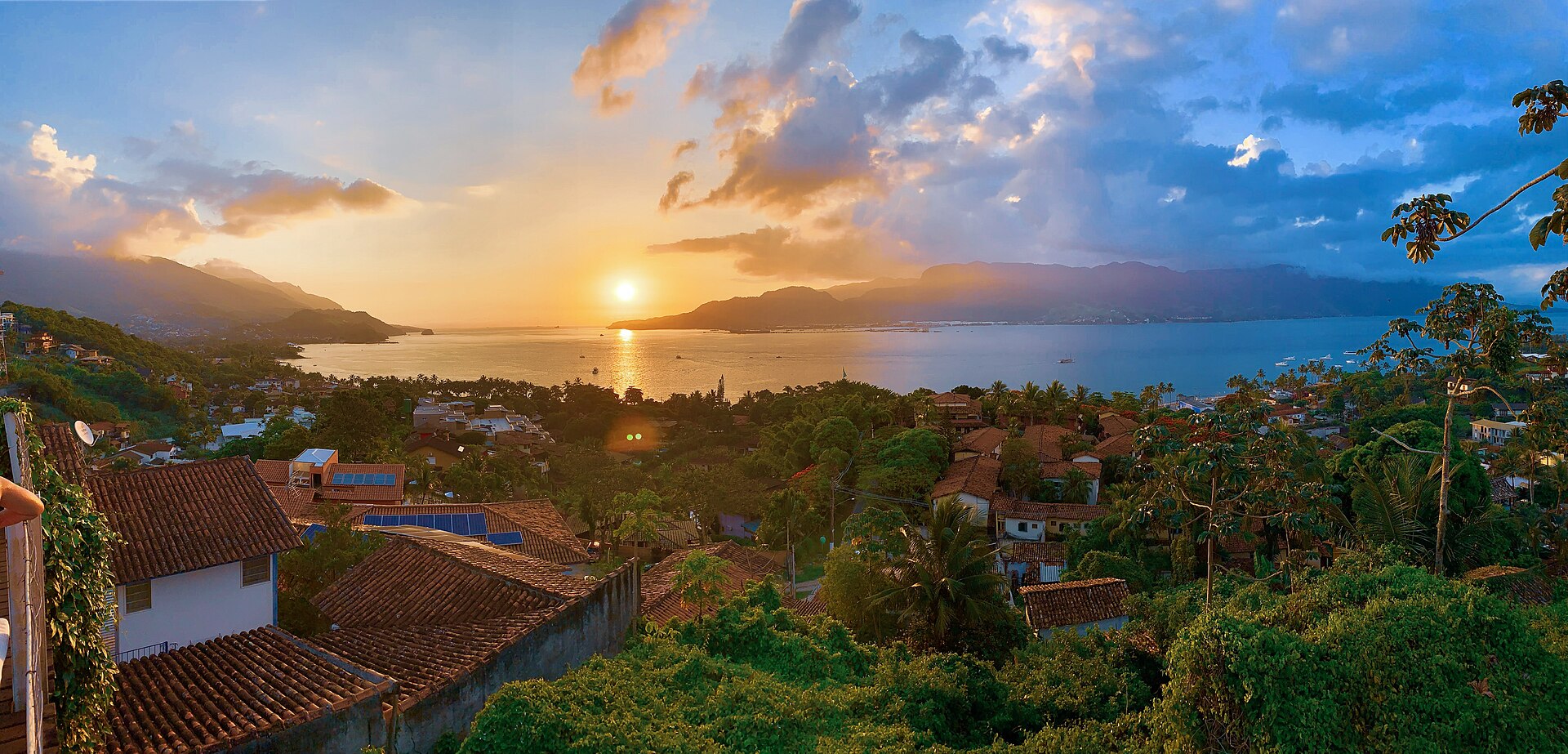
The wider natural landscape across the channel is protected within the Ilhabela State Park, located about eight kilometres from the race area and spanning 27,025 hectares across twelve islands, two islets, and two reefs. In addition to the main island of São Sebastião, the archipelago encompasses the smaller offshore islands of Búzios and Vitória. The steep mountain landscape contains more than 250 waterfalls and thousands of freshwater streams that flow through the forest. Where these streams reach the sea, coastal plains feature meandering rivers that support coastal mangroves. The diverse habitats of the archipelago also serve as a refuge for migratory bird species. Seabirds such as the magnificent frigatebird frequent this coastline.
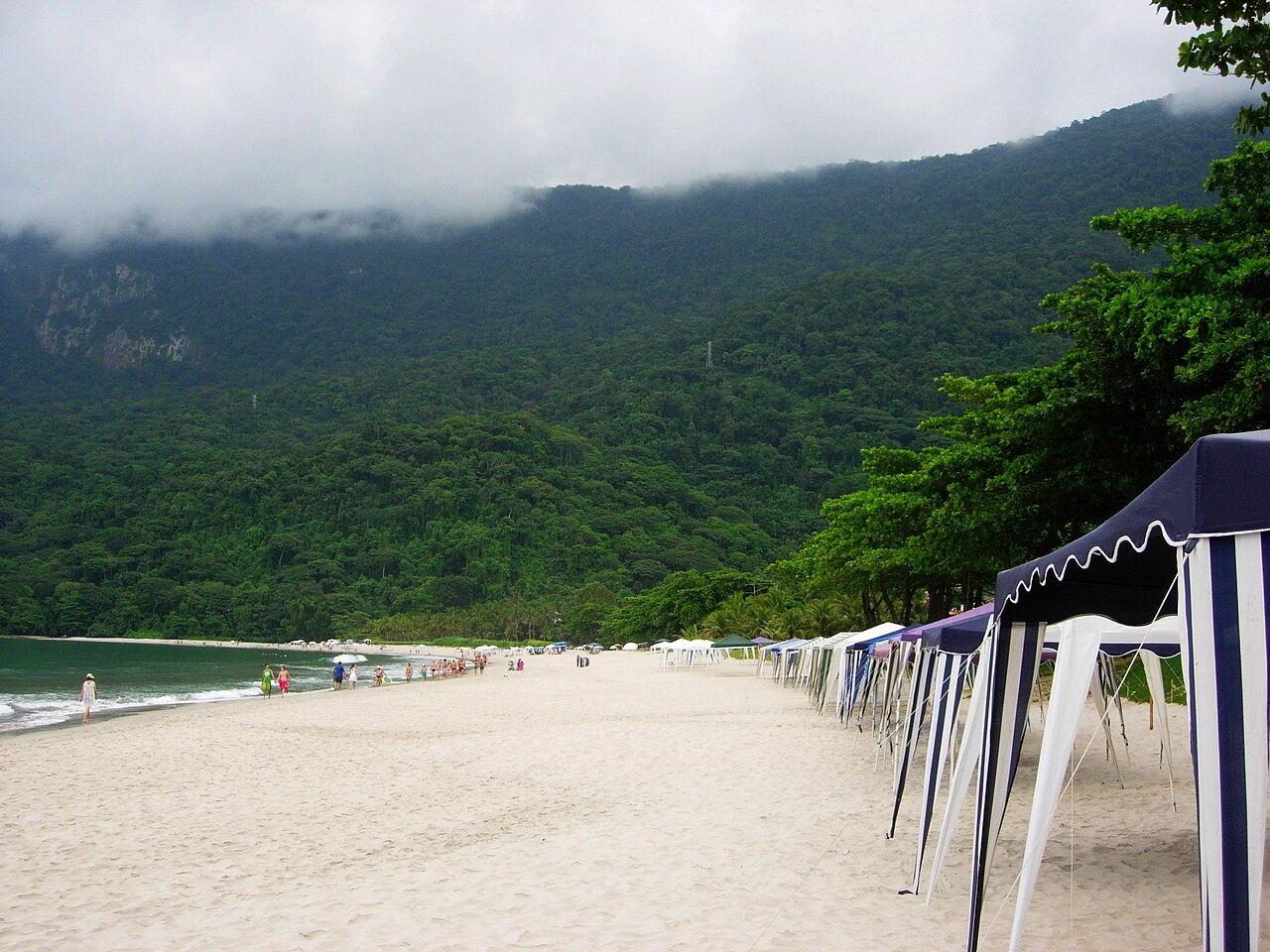
Along the rocky shores of Praia da Feiticeira, the aquatic flora includes microalgae and macroalgae such as Sargassum and sea lettuce. Marine life in these waters includes tropical reef fish and corals such as the sergeant major, the brown chromis, and the white encrusting zoanthid. Across on the eastern side of the island lies Praia de Castelhanos, an approximately 2-kilometre-long beach set within a bay whose shape resembles a heart. It is the only beach along the island's eastern side accessible by motorized land vehicles, featuring trails that lead to waterfalls. Further along the island shore, Praia do Bonete stretches for 600 metres and serves as a primary surfing destination on the northern coast of the state.
Rua da Praia: seafront promenades and calm mainland shallows
On the mainland side of the channel, the waterfront of São Sebastião centers on the wide promenade known as Rua da Praia. This oceanfront avenue features a broad boardwalk, a bike path, and public spaces that host major local events and festivals. The beach fronting the city center has coarse, dark sand and is divided into two sections by a breakwater. The breakwater at the city center serves as an informal meeting point where locals and tourists watch boats, ferries, and fishermen. At night, the central beach area becomes a vibrant nightlife hub with illuminated boardwalks and open restaurants. Local dining is heavily focused on fresh fish and seafood, often enjoyed in restaurants overlooking the coastline.
The beach of Barequeçaba offers an ideal location for an easy swim or a quiet recovery session. The waves at this beach are consistently weak, and the sea depth increases slowly, reaching waist height at twenty metres from the shore. The beach features dark, firm sand suitable for walking, backed by summer houses, hotels, inns, and restaurants situated between the beach and the highway.
Sources: Ilhabela · Praia da Feiticeira · Porto de São Sebastião · Praia de Castelhanos · Barequeçaba · Engenho São Mathias · São Sebastião, São Paulo · Ilhabela State Park
Course
Awards
- Age group awards
Standard circuit rules apply; age group categories are typically defined by the organizer.
How to get there
Circuito Paulista de Maratonas Aquáticas — São Sebastião (outubro)
Frequently asked questions
- When was the last edition of Circuito Paulista de Maratonas Aquáticas — São Sebastião (outubro)?
- The last edition of Circuito Paulista de Maratonas Aquáticas — São Sebastião (outubro) took place on October 25, 2026.
- Where does Circuito Paulista de Maratonas Aquáticas — São Sebastião (outubro) take place?
- Circuito Paulista de Maratonas Aquáticas — São Sebastião (outubro) is a sea swim. Location: São Sebastião, São Paulo, Brazil.
- How do I register for Circuito Paulista de Maratonas Aquáticas — São Sebastião (outubro)?
- The reference page for registering for Circuito Paulista de Maratonas Aquáticas — São Sebastião (outubro) is https://www.instagram.com/igor.maratonaaquatica/.
Where to stay
Accommodations in São Sebastião range from restored colonial-style guesthouses in the historic center to boutique hotels located directly on the harborfront. For those preferring proximity to the race village, beachside camping and surf-focused pousadas are available along the southern stretches of the coast. Prices fluctuate significantly based on the season, with standard double rooms typically ranging from R$ 350 to R$ 850 per night during the October period.
Things to do nearby
Beyond the race, the region offers extensive coastal trekking trails that connect secluded beaches, many of which remain accessible only by foot or local water taxi. Visitors can engage in guided kayak and SUP excursions through the mangroves of the channel or visit local artisan markets to sample regional caiçara cuisine. Several historical sites, including remnants of early colonial defensive fortifications, are accessible via short hikes from the main town center.
Swimmers
Similar races


Comments
Transparency: some links on this page (stays, flights, experiences, gear) are affiliate links — if you book or buy through them, Omniathlon may earn a commission from the partner at no extra cost to you. As an Amazon Associate we earn from qualifying purchases.