
Cruce Isla de Sacrificios
- Sep 26, 2026
- Last edition date
- Distances: 1.5km and 3.2km
At a glance
- Last edition date
- September 26, 2026
- Distances
- 1.5 km · 3.2 km
- Where
- Sea · Playa La Bamba, Boca del Río, Veracruz, Mexico
- Entry fee
- 60 €
- Registration
- granrettoventas.com
About the race
The open waters stretch toward the horizon. The Cruce Isla de Sacrificios Britannia Sport Center is an open water swimming race held in the sea off Playa La Bamba, in the municipality of Boca del Río within the state of Veracruz, Mexico. Conceived as a traditional aquatic festival in the Veracruz region, the event gathers athletes along the sand to test their physical endurance and technique in open waters. Swimmers take to the sea on a late September morning, entering the calm coastal surf as the sun clears the open bay. The competition offers two distinct distances, featuring courses of 1.5 km and 3.2 km. Both routes trace an offshore line toward Isla de Sacrificios, leading swimmers to a giant turn buoy placed 750 meters from the start before breaking out into their designated race circuits.
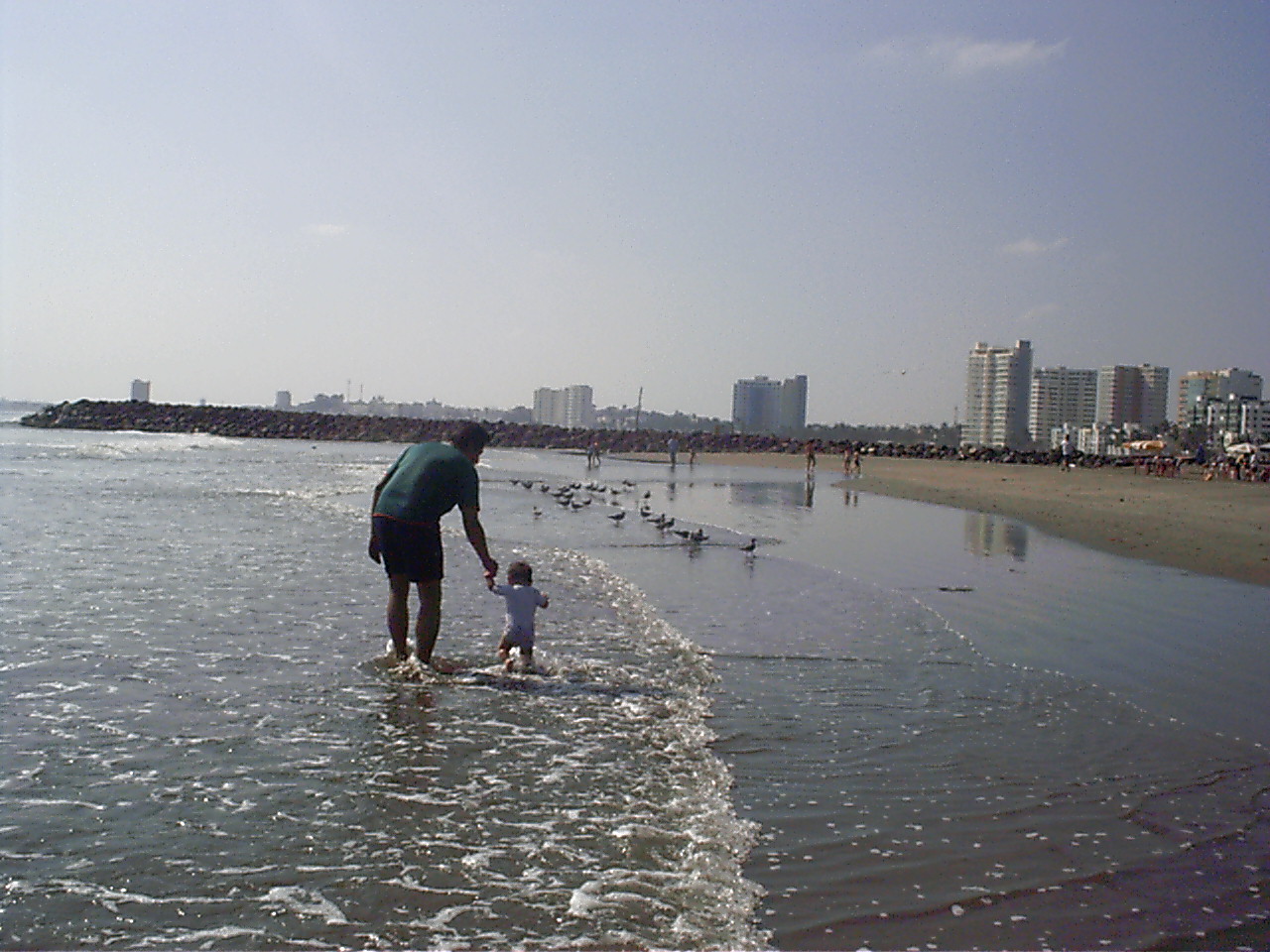
Navigating the course requires regular sighting against the coastal currents and rhythmic pacing in the swell. The event is governed by World Aquatics technical and competition regulations, and swimmers in age group categories must tow an individual inflated safety buoy throughout the swim. To maintain fair conditions across the field, the use of propulsion aids like fins or hand paddles is strictly prohibited. The event is organized by Club Britannia Sport Center of Boca del Río, which coordinates the competition in partnership with GranRetto.
The island and reefs ahead of the swimmers at La Bamba
Isla de Sacrificios, the island the Cruce swims toward from Playa La Bamba, measures roughly 450 metres in length and 198 metres in width. The Veracruz Reef System around Isla de Sacrificios is made up of shoals, islands, islets and reefs that rise from depths of 50 metres to form an underwater range. The published results of the Cruce Isla de Sacrificios are split by age group, and the 1.5 km categories for women range from 10 and under up to 60 to 69 years.
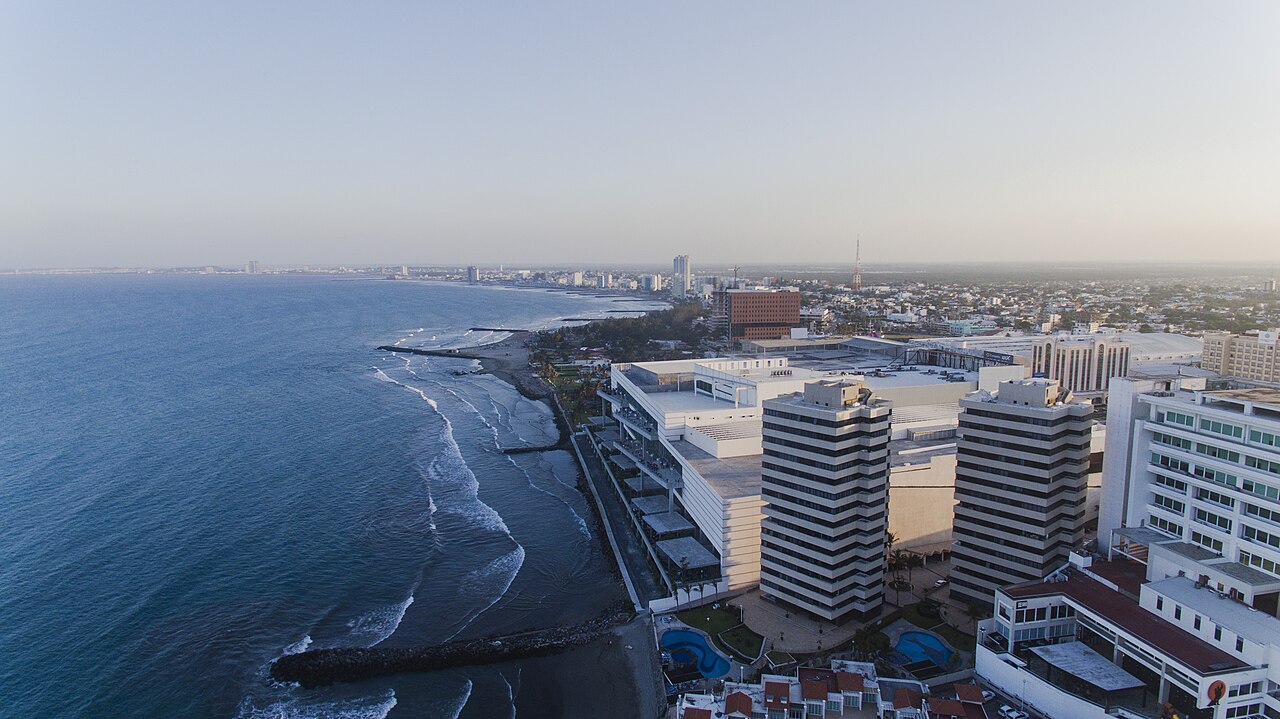
Isla de Sacrificios: Totonac altars and protected coral reef
Isla de Sacrificios sits within the Sistema Arrecifal Veracruzano National Marine Park and remains safeguarded under the environmental oversight of the Secretariat of the Navy to preserve its delicate insular and benthic balance. The sea surrounding the cay shelters 123 species of red algae, 70 species of green algae, and 52 families of hard snails across the shallows, while vegetation on the land includes sea grapes, guavas, and banana plants. During the Postclassic period, the Totonac people used the island for worship and ceremonies, leaving behind burials and pyramidal foundations that archaeologists have uncovered across its grounds. Centuries later, the isolated key witnessed darker chapters of maritime history. In 1862, during the second French intervention in Mexico, more than 50 burials of Sudanese and French soldiers who died aboard the vessel La Seine were gathered on the island.
The Jamapa River estuary at Boca del Río
The Jamapa River reaches the sea within the municipality of Boca del Río. The river originates from the melting snow of the Jamapa glacier on the Citlaltépetl volcano at an elevation of 5,000 meters, traveling 368 kilometers across the state before discharging into the Gulf. At the mouth, the geography of Boca del Río creates an intricate coastal ecosystem defined by sandy beaches, mangrove zones, and estuarine shallows. The river's flow volume changes through the seasons, dropping significantly during the dry winter period, especially in December. European contact began here in 1518, when Juan de Grijalva's expedition arrived at the river mouth and named it the Río de Banderas. The explorers chose the name after watching local Mexica inhabitants standing along the riverbanks waving white flags as the ships approached.
Throughout the colonial era, the riverside village relied on maritime trade, open navigation, and small-craft fishing. Maritime history along the river shore also encompasses modern naval relics about one kilometre from the race venue. The gunboat ARM Guanajuato was positioned on the banks of the Jamapa River in Boca del Río, where it opened to the public in 2007 as Latin America's first floating museum. Maintenance plans later proposed setting the vessel on a concrete foundation directly in the riverbed, but worsening structural deterioration led to its scrapping beginning in May 2023.
Gallega Reef, San Juan de Ulúa, and the coral bastions
About thirteen kilometres across the bay, the fortress of San Juan de Ulúa looks out over the commercial seaport of Veracruz. It was established on Gallega Reef upon a small islet of stones that rose no more than three feet above water level, presenting sixteenth-century sailors with cramped, rudimentary harbor works. In 1568 the English fleet of John Hawkins clashed here with the Spanish fleet, a battle that led to the burning and sinking of the Spanish galleon Santa Clara in port, the loss of several warships along the shore, and the capture of Hawkins's flagship Jesus of Lübeck, which was later auctioned on the island. In 1821, Spanish governor Dávila retreated into San Juan de Ulúa while resisting the Trigarante Army, maintaining the stronghold with merchant craft, warships anchored in the bay, and supply shipments from Cuba until its capture on November 23, 1825.
In 1838, French naval forces bombarded the coral citadel during the Battle of Veracruz. By March 1847, United States forces launched an amphibious landing on Collado Beach five kilometres south of Veracruz, establishing an eleven-kilometre siege line toward Playa Vergara and firing heavy naval cannonballs to shatter the city's coral ramparts. Twelve kilometres from the race start, defensive heritage stands directly on the Veracruz waterfront at the Baluarte de Santiago. The surrounding coast yielded unexpected archaeological riches in 1976, when an octopus fisherman named Raúl Hurtado Hernández discovered pre-Hispanic gold ingots and jewelry offshore. The find contained 42 Mixtec masterworks, including gold earrings crafted in the shape of turtle heads and ceremonial bracelets engraved with monkey figures, preserving an ancient tie between local artisans and the Veracruz sea.
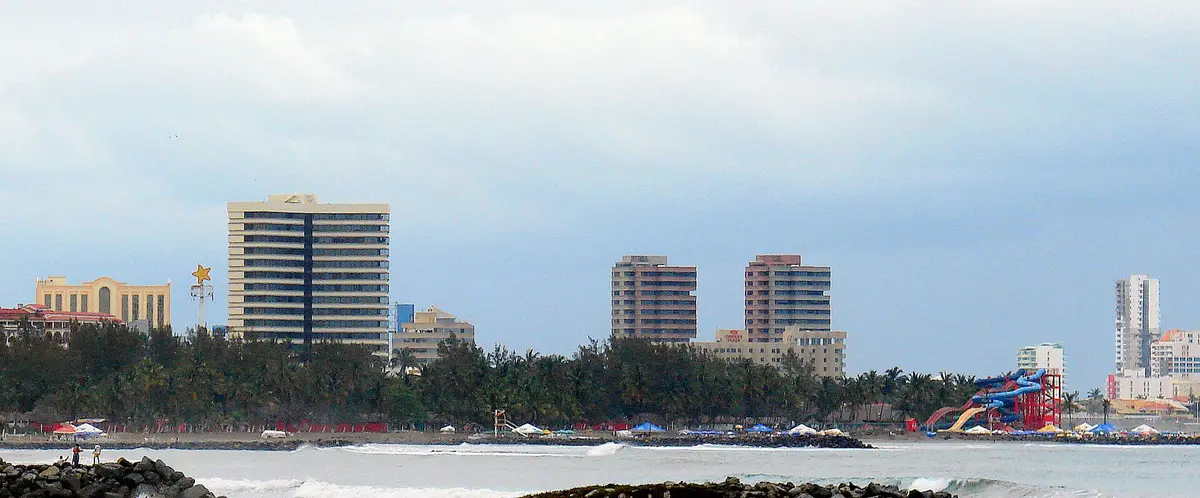
Sources: Río Jamapa · Boca del Río (Veracruz) · Isla de Sacrificios · ARM Guanajuato (C-07)
Course
Previous editions
- 2025results
How to get there
Cruce Isla de Sacrificios
Frequently asked questions
- When was the last edition of Cruce Isla de Sacrificios?
- The last edition of Cruce Isla de Sacrificios took place on September 26, 2026.
- What distances does Cruce Isla de Sacrificios offer?
- Cruce Isla de Sacrificios offers 1.5 km and 3.2 km.
- How much is the entry fee for Cruce Isla de Sacrificios?
- The entry fee is 60 €. Prices in MXN (1200-1350). Fees exclude online processing charges. Conversion based on current rates.
- Where does Cruce Isla de Sacrificios take place?
- Cruce Isla de Sacrificios is a sea swim. Location: Playa La Bamba, Boca del Río, Veracruz, Mexico.
- How do I register for Cruce Isla de Sacrificios?
- The reference page for registering for Cruce Isla de Sacrificios is https://www.granrettoventas.com/Sinsc/ListadoFichas?e=678cef00-2d35-480a-85cb-01e769899d5c.
Where to stay
Boca del Río offers a range of options, from boutique hotels along the port that provide easy access to the race start at Playa La Bamba, to comfortable mid-range accommodations in the city center. You can find convenient stays for approximately $60 to $120 USD per night. For those seeking a more local atmosphere, there are various guest houses that capture the traditional spirit of the Veracruz coast, often located within walking distance of the main waterfront transit points. Find your base near the race start.
Things to do nearby
The area is defined by its strong culinary heritage and coastal activities. After the race, you can explore the local tradition of seafood-focused gastronomy, particularly famous for the massive fish preparations associated with the Feast of Saint Ann. The estuary of the Jamapa River is ideal for guided kayak or SUP excursions, allowing you to venture deeper into the mangrove forests that frame the coastline. Alternatively, visit the local museums to discover the life of Agustín Lara. Discover activities around Boca del Río.
Swimmers
Other races by this organiser
- Aguas Abiertas Gran Retto ArrecifesBoca del Río, MX
Similar races


Comments
Transparency: some links on this page (stays, flights, experiences, gear) are affiliate links — if you book or buy through them, Omniathlon may earn a commission from the partner at no extra cost to you. As an Amazon Associate we earn from qualifying purchases.