
Desafio 4 Ilhas 2026 — Ilhabela
- May 16, 2026
- Last edition date
- Distances from 2km to 12km
At a glance
- Last edition date
- May 16, 2026
- Distances
- 2 km · 4 km · 6 km · 8 km · 10 km · 12 km
- Where
- Sea · Ilhabela, São Paulo, Brazil
- Entry fee
- 1000 BRL
- Registration
- a3sport.com.br
About the race
The Desafio 4 Ilhas is an open water swimming event set in the sea off the coast of Ilhabela in the state of São Paulo, Brazil. Swimmers encounter a setting known for crystal-clear visibility and cinematic coastlines, turning a marathon swim into an immersion in coastal geography. Designed as an expedition-style crossing through pristine natural scenery, the event offers a comprehensive ladder of nautical challenges. Participants can select between distances of 2, 4, 6, 8, 10, or 12 kilometres, allowing both distance specialists and endurance marathoners to test themselves along the shoreline. Long-distance navigation demands reliable support, which is built into the event's floating infrastructure. Organizer A3 Sport escorts the field with a primary support boat and four escort kayaks to manage swimmer safety and guidance across the longer courses. Aid stations are arranged directly on the water, providing fluid hydration every two kilometres along the course. The journey concludes with an environmental awareness workshop.
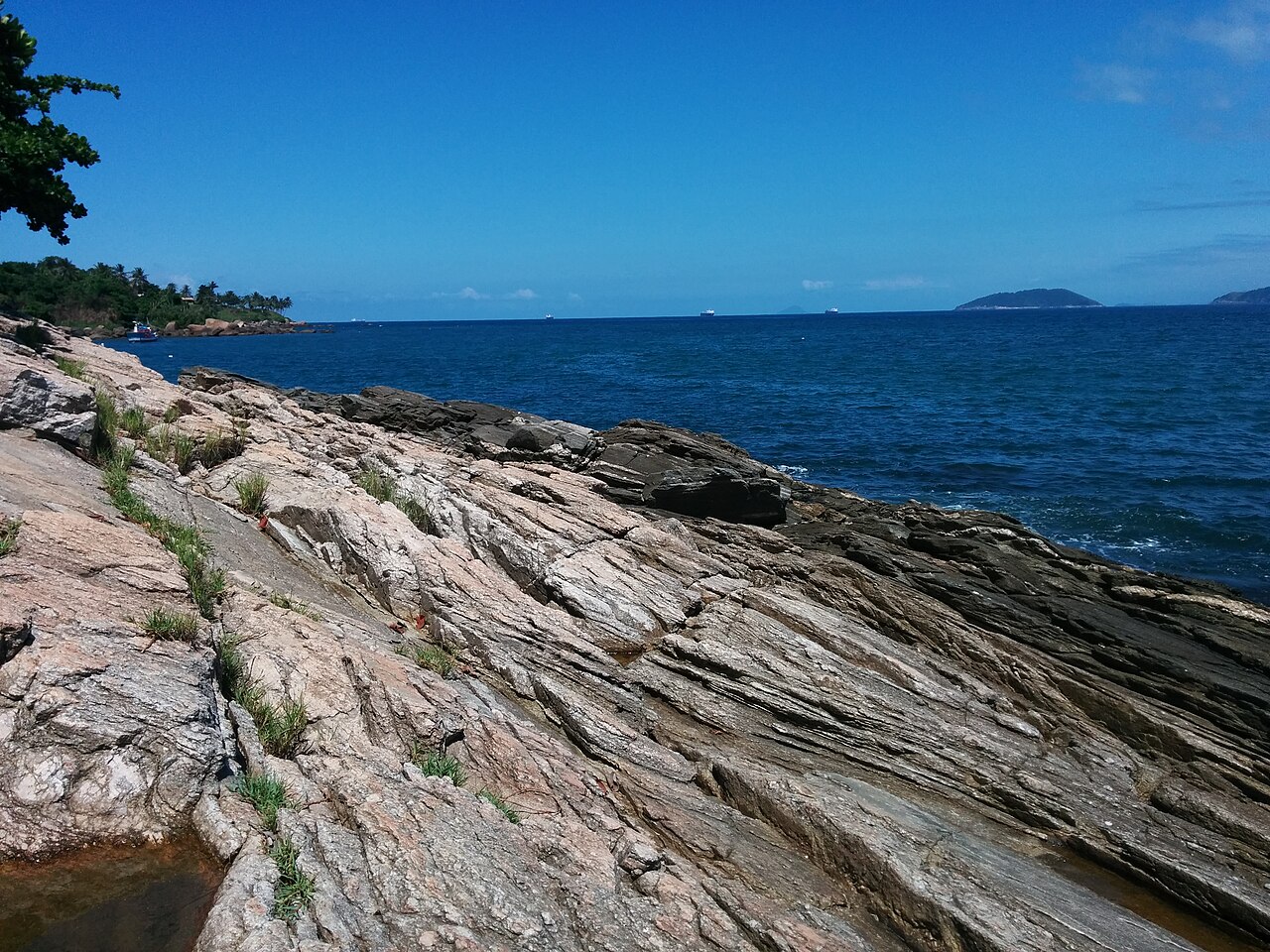
Ilhabela State Park: peaks, streams and coastal rainforest
The marine backdrop of the swim is heavily shaped by the Ilhabela State Park, a reserve established in 1977. Encompassing 27,025 hectares, the park protects twelve islands, two islets, and two oceanic reefs, covering 84.3 percent of the entire municipality's territory. The broader archipelago includes the primary landmass of São Sebastião alongside the smaller outer islands of Búzios and Vitória. Steep mountain ridges reach altitudes of up to 1,379 metres. More than 250 waterfalls and thousands of freshwater streams carve paths down the granite slopes, emptying through coastal plains where meandering rivers sustain preserved mangrove ecosystems. On the wild, open-ocean eastern side of the island lies Praia de Castelhanos, a dramatic bay shaped like a heart. Stretching for approximately two kilometres, it is the only beach on the eastern coast accessible by motorized land transport. Along its sandy arc, footpaths branch off into the interior jungle, leading hikers toward hidden waterfalls nestled deep within the rainforest hills.
Marine life and reefs around Praia da Feiticeira
Colorful reef dwellers such as sergeant majors and brown chromis dart among colonies of white encrusting zoanthid corals. The archipelago also plays a crucial role in regional coastal ecology by serving as a sanctuary for migratory bird species.
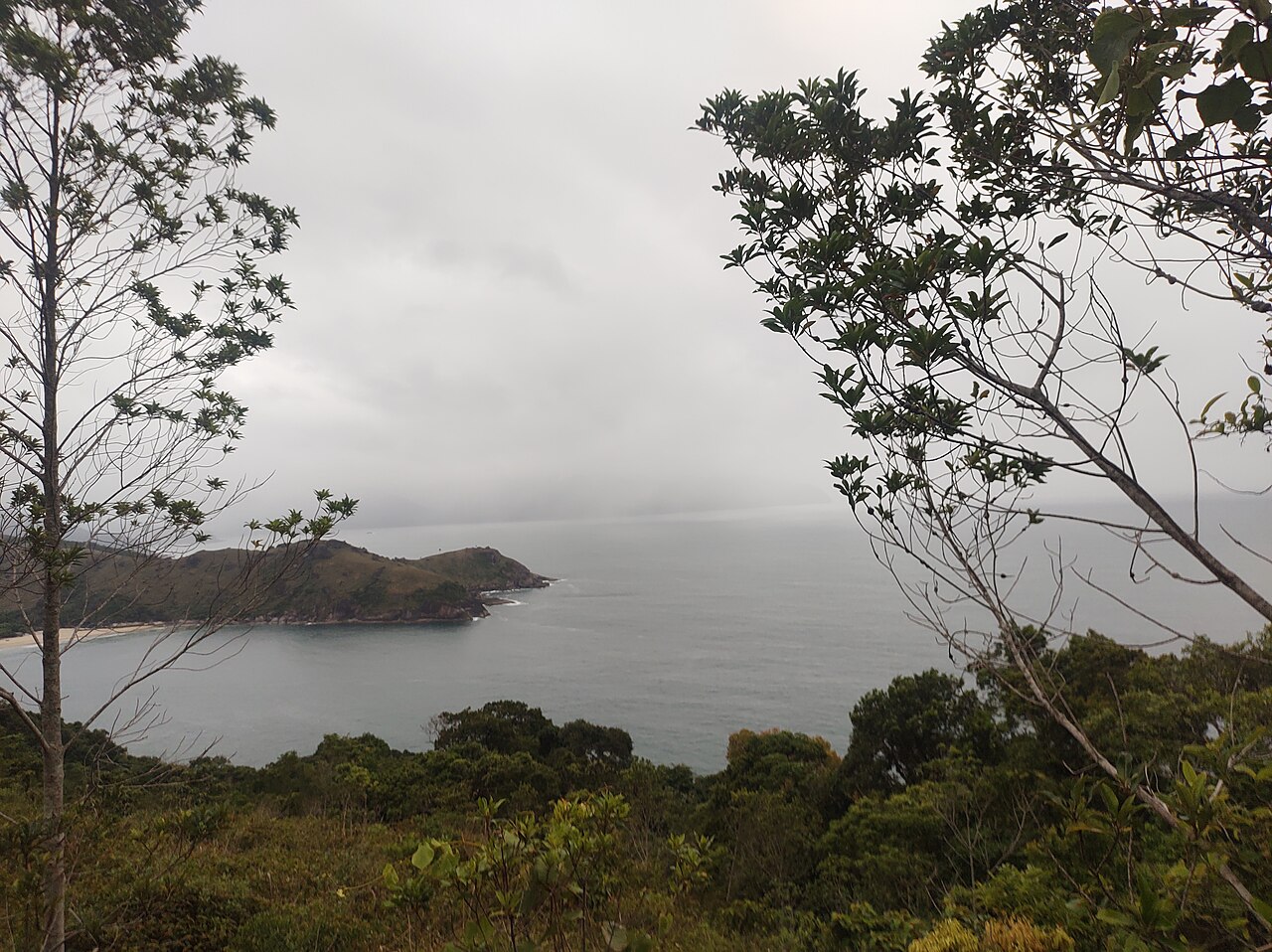
São Sebastião Channel: shipwrecks, navigators and whaling stations
Sambaqui shell-mound communities inhabited the archipelago for at least two thousand years prior to the arrival of European fleets. The earliest recorded visit by European sailors occurred on January 20, 1502, during a South Atlantic exploration expedition that included Italian cosmographer Amerigo Vespucci. During the seventeenth and eighteenth centuries, the passage between the mainland and the island became a heavily trafficked maritime thoroughfare. The Captaincy of São Paulo constructed its very first colonial whaling station at Ponta das Canavieiras. Today, more than fifty historical shipwrecks lie submerged beneath the coastal waters surrounding Ilhabela. Six of these sunken vessels are accessible to scuba divers.
Where the Ilhabela swim runs: Ilha das Cabras and the beaches
The organisers of the Desafio 4 Ilhas place their Ilhabela stage on the island's southern beaches, which they call Praias do Sul. The 2025 Ilhabela stage, on 23 August and named Praias do Norte, set out from the Cais da Praia Perequê. In that edition the swim began at Ilha das Cabras, marked as kilometre 0, and the 12 km distance ended at the Piscina Natural. The organisers allow about six hours for the day, with the option of swimming 2 km in 40 minutes, 4 km in 1 h 30 min, 6 km in 2 h 30 min or the full 12 km in 5 hours. The surroundings of Ilha das Cabras, off Ilhabela, are protected by a municipal decree that bans hunting and fishing, which supports abundant and varied marine life. Of the other islands of the Ilhabela archipelago, Búzios and Vitória lie 7½ and 2½ km from the northeastern tip of the main island.
Praia da Feiticeira and Engenho São Mathias
Praia da Feiticeira forms an intimate 250-metre crescent bordered by a steep sandbank. The beach is uniquely shaped by freshwater flows, with two natural waterfalls tumbling between the sand and the southern shoreline. Adding to the scene is an artificial cascade constructed by former plantation owners, which drops its freshwater stream directly onto the sand for swimmers rinsing off after a dip in the ocean. About nine kilometres away from the race area, the colonial past remains visible at the Engenho São Mathias. The estate dates back to the seventeenth century, when commercial sugar cane cultivation was introduced to the island. The property still preserves its traditional colonial manor house and functional mill structures, including an authentic water wheel, storage vats, and a distillation facility historically linked to local nineteenth-century folk tales of witchcraft. By 1912, cartographers documented twenty-seven active sugar mills operating across the island, every single one devoted to producing aguardente. Exploring this heritage after the swim offers a grounding glimpse into the region's history.
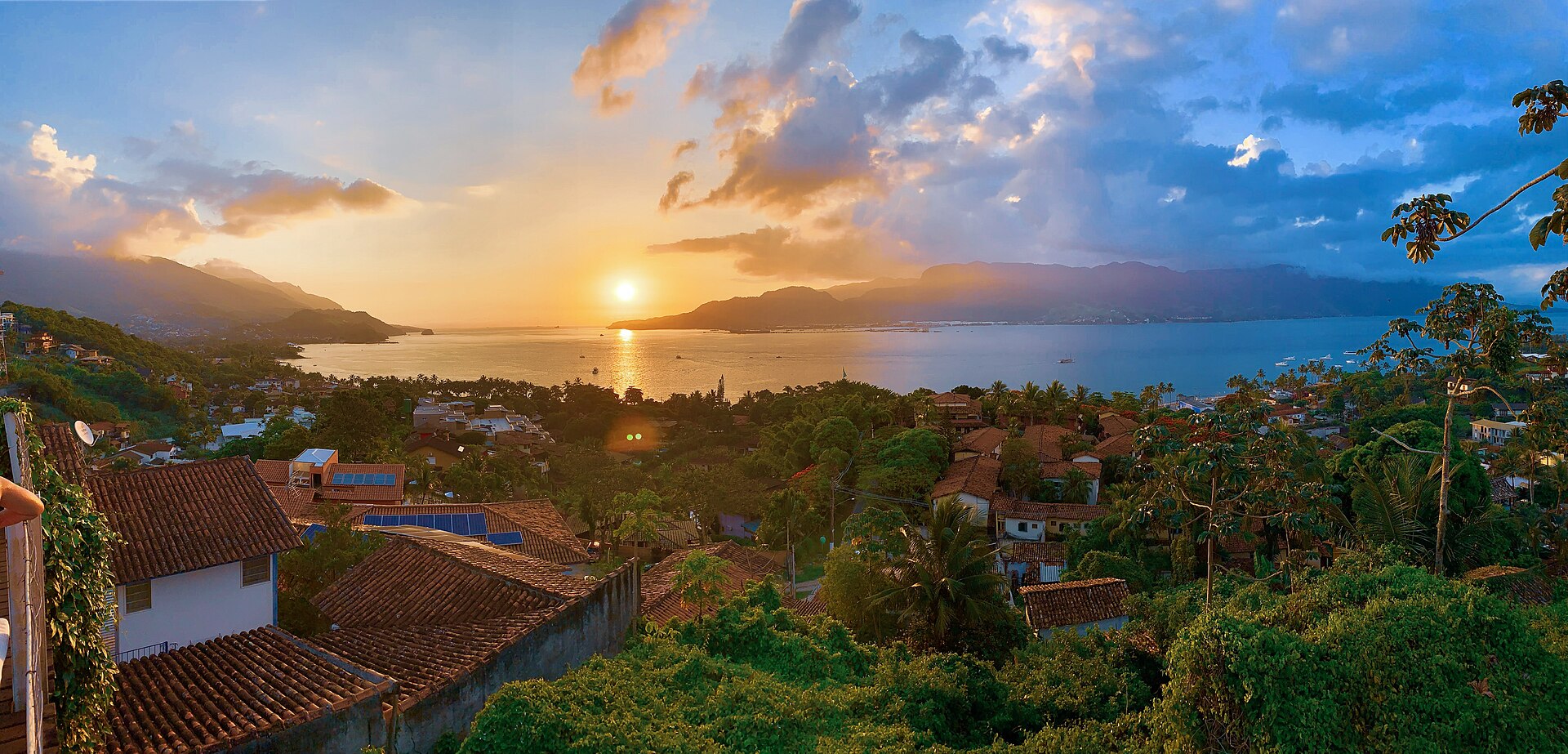
Sources: Ilhabela · Praia da Feiticeira · Praia de Castelhanos · Barequeçaba · Engenho São Mathias · Ilhabela State Park
Course
Open water swimming event with hydration support provided every 2km along the course.
Open water swimming event with hydration support provided every 2km along the course.
Open water swimming event with hydration support provided every 2km along the course.
Open water swimming event with hydration support provided every 2km along the course.
Open water swimming event with hydration support provided every 2km along the course.
Open water swimming event with hydration support provided every 2km along the course.
Aid stations
- Interval
- 2 km
Hydration provided every 2km during the entire course.
How to get there
Desafio 4 Ilhas 2026 — Ilhabela
Frequently asked questions
- When was the last edition of Desafio 4 Ilhas 2026 — Ilhabela?
- The last edition of Desafio 4 Ilhas 2026 — Ilhabela took place on May 16, 2026.
- What distances does Desafio 4 Ilhas 2026 — Ilhabela offer?
- Desafio 4 Ilhas 2026 — Ilhabela offers 2 km, 4 km, 6 km, 8 km, 10 km, and 12 km.
- How much is the entry fee for Desafio 4 Ilhas 2026 — Ilhabela?
- The entry fee is 1000 BRL. 2025 edition prices. Standard individual entry fee is R$ 1,000 (with a 20% discount to R$ 800), applicable for any chosen distance (2 km to 12 km).
- Where does Desafio 4 Ilhas 2026 — Ilhabela take place?
- Desafio 4 Ilhas 2026 — Ilhabela is a sea swim. Location: Ilhabela, São Paulo, Brazil.
- How do I register for Desafio 4 Ilhas 2026 — Ilhabela?
- The reference page for registering for Desafio 4 Ilhas 2026 — Ilhabela is https://www.a3sport.com.br.
Where to stay
Ilhabela offers a wide spectrum of lodging, from rustic beachside camping and traditional pousadas to high-end boutique hotels near the historic port. Many visitors prefer the charming guesthouses located in the Vila or near the southern beaches, which provide easy access to the main swimming departure points. Expect to pay between $80 and $250 per night for a standard double room, depending on proximity to the water and the level of service.
Things to do nearby
The weekend in Ilhabela is perfect for exploring the island's natural and cultural heritage. Beyond the race, you can join guided kayak or SUP tours to reach secluded coves, or hike the trails leading to the island’s mountainous interior. Local tours often include visits to historical sites like the ruins of old sugar mills or the colonial-era architecture in the town center. For a more relaxed experience, tasting local cachaça or fresh seafood at the port is a staple of the island's culinary scene.
Swimmers
Other stages of this series
- Desafio 4 Ilhas — Montão de TrigoSão Sebastião, BR
- Desafio 4 Ilhas 2026 — AbrolhosCaravelas, BR
- Desafio 4 Ilhas 2026 — ParatyParaty, BR
- Desafio 4 Ilhas — Ilha GrandeAngra dos Reis, BR
Similar races


Comments
Transparency: some links on this page (stays, flights, experiences, gear) are affiliate links — if you book or buy through them, Omniathlon may earn a commission from the partner at no extra cost to you. As an Amazon Associate we earn from qualifying purchases.