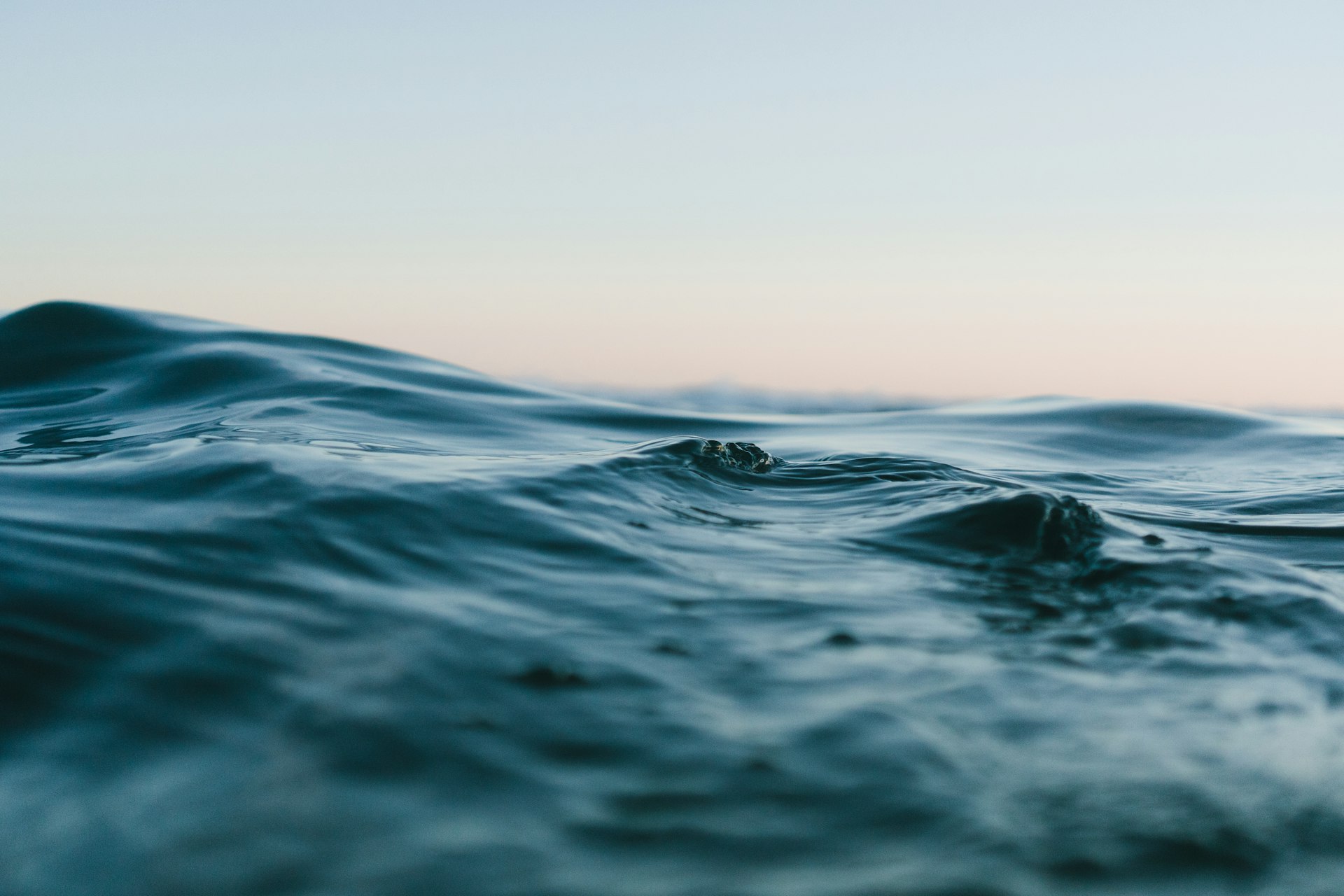
SAA Daytona Open Water
- Dec 6, 2026
- Distances: 800m and 1.6km
At a glance
- Next edition date
- December 6, 2026
- Distances
- 800 m · 1.6 km
- Where
- Sea · Daytona International Speedway, Daytona, Florida, United States
- Registration
- clashendurance.com
About the race
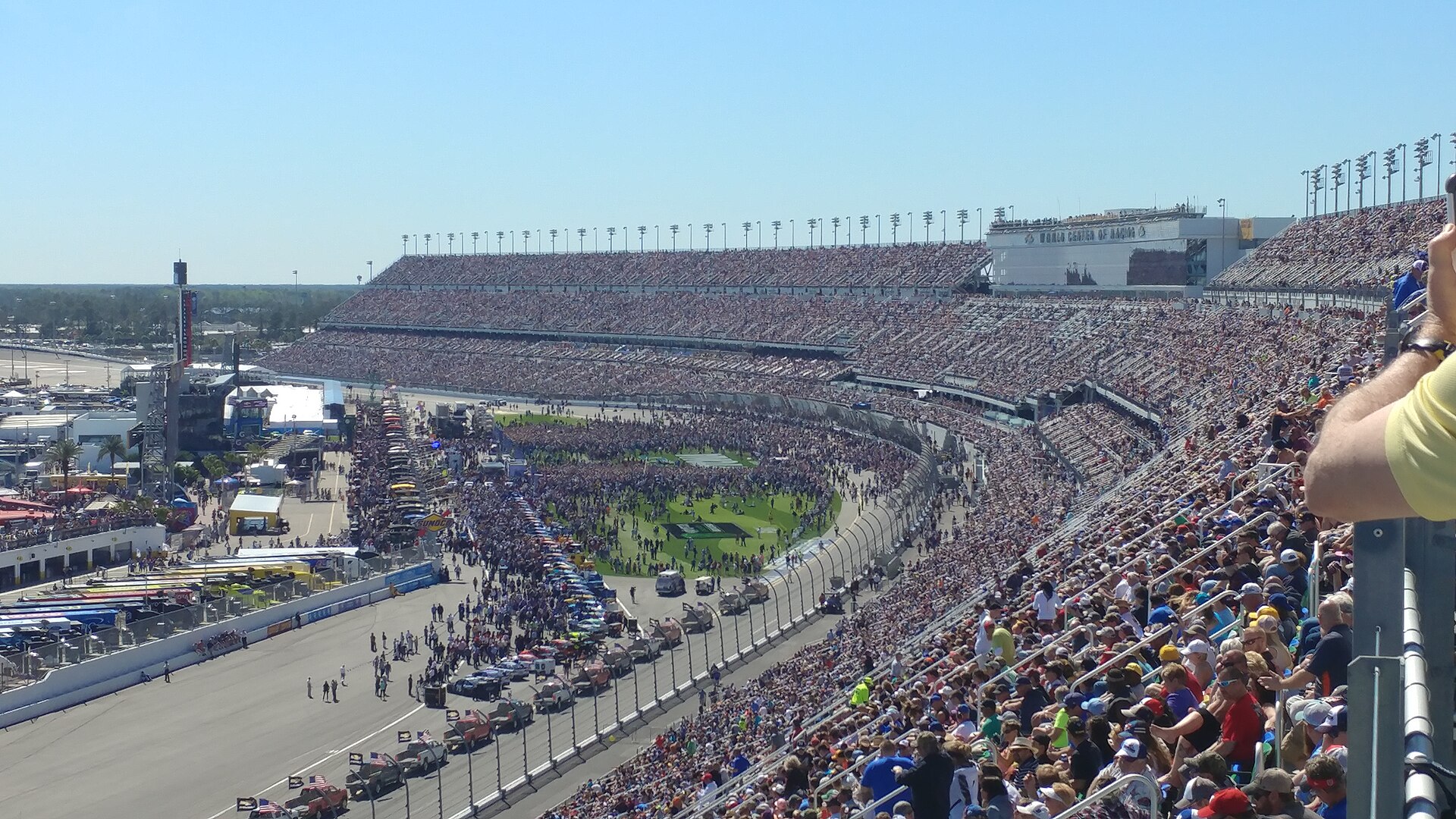
In the center of Daytona International Speedway sits an unexpected freshwater expanse called Lake Lloyd. The SAA Daytona Open Water is an open water swimming race held inside the infield of this world-renowned motorsport temple in Daytona Beach, Florida. Organized by CLASH Endurance, the event offers a rare chance to plunge into calm lake water. Swimmers step into the water for distances of a 100-meter dash, an 800-meter course, or a full one-mile circuit in the mild Florida chill of December. Stroke by stroke, the course carries swimmers across the 29-acre basin. The race is organized in partnership with Swim Across America, a charity founded in 1987 that stages open-water swims to fund cancer research.
Partnering with the NASCAR Foundation, the Daytona gathering directs all proceeds to support pediatric cancer research, continuing a tradition that began when the inaugural Daytona event raised roughly fifty thousand dollars. At the conclusion of the swim, high-achieving fundraisers and participants take to the official speedway victory podium to receive their awards just like triumphant race drivers.
The 29-acre infield basin: how Lake Lloyd was born
Lake Lloyd was created during the initial excavation for the construction of Daytona International Speedway. Work crews dug out immense quantities of earth across the 180-acre infield. The excavation cut deep into Florida's high subterranean water table, quickly filling the hollow to form a permanent inland lake. That high water table challenged speedway engineers from the beginning, creating significant obstacles when digging the vehicular tunnel under turn one. The resulting water took its name from Joseph 'Sax' Lloyd, a Daytona Beach car dealership owner who served as one of the original six members of the Daytona Beach Speedway Authority. NASCAR founder Bill France Sr. collaborated with the Commission of Game and Fresh Water Fish to introduce 65,000 fish, establishing thriving populations of freshwater bass and catfish within the new infield basin. Over the years, the lake was occasionally adapted for high-speed powerboat regattas alongside motor events.
The Halifax River lagoon and ancient Timucua shorelines
Layers of natural sediment brought by the river and material excavated from navigation dredging over the past century have shaped the modern island. Flocks of aquatic birds gather along the island's shallows, with mallards, blue-winged teal, and cormorants resting on the calm waters. These protected coastal waterways have supported human communities for thousands of years. About fifteen kilometers away along the Tomoka River lies Tomoka State Park, which protects the site of the ancient Timucuan village of Nocoroco. In 1787, the Orange Grove Plantation was established on the west bank of the Halifax River, twelve miles north of Mosquito Inlet. In 1836, militia troops journeyed down Bulow Creek and along the Halifax River to reach Dunlawton. During the American Civil War, troops repurposed the mill's boiling kettles to produce sea salt, and in 1906, those same iron vessels boiled blubber when two whales beached near the Port Orange bridge.
Ormond Beach shoals: the drift of the Nathan F. Cobb
Along the open sea coast about seven kilometers from the race area, the ocean floor hides the remains of a historic Atlantic shipwreck. The Nathan F. Cobb was a 167-foot three-masted cargo schooner built in Rockland, Maine, in 1890, carrying a draft of over twelve feet. The vessel had a dramatic history: four years before its loss, an abused crewman jumped overboard into the dark waters near Mobile Bay and completed an astonishing five-mile swim toward an offshore lighthouse to reach safety. On December 1, 1896, a savage nor'easter struck the ship off the coast of North Carolina, damaging it. For four desperate days, the waterlogged schooner drifted 375 miles down the coastline before finally running aground on a sandbar roughly a thousand feet off Ormond Beach on December 5.
During rescue operations from the beach, a local volunteer named Freeman Waterhouse drowned in the surf, and his body was never found. Over decades, the sandbars swallowed the wreck, but shifting sands and strong ocean waves still uncover the vessel's dark wooden ribs at rare low tides, as occurred during an exceptionally low tide in May 2004. Salvage parties gathered floating debris, using the schooner's timbers and railroad ties to build the Nathan Cobb Cottage in Ormond Beach.
Daytona Beach oceanfront: hard-packed sands and the coquina bandshell
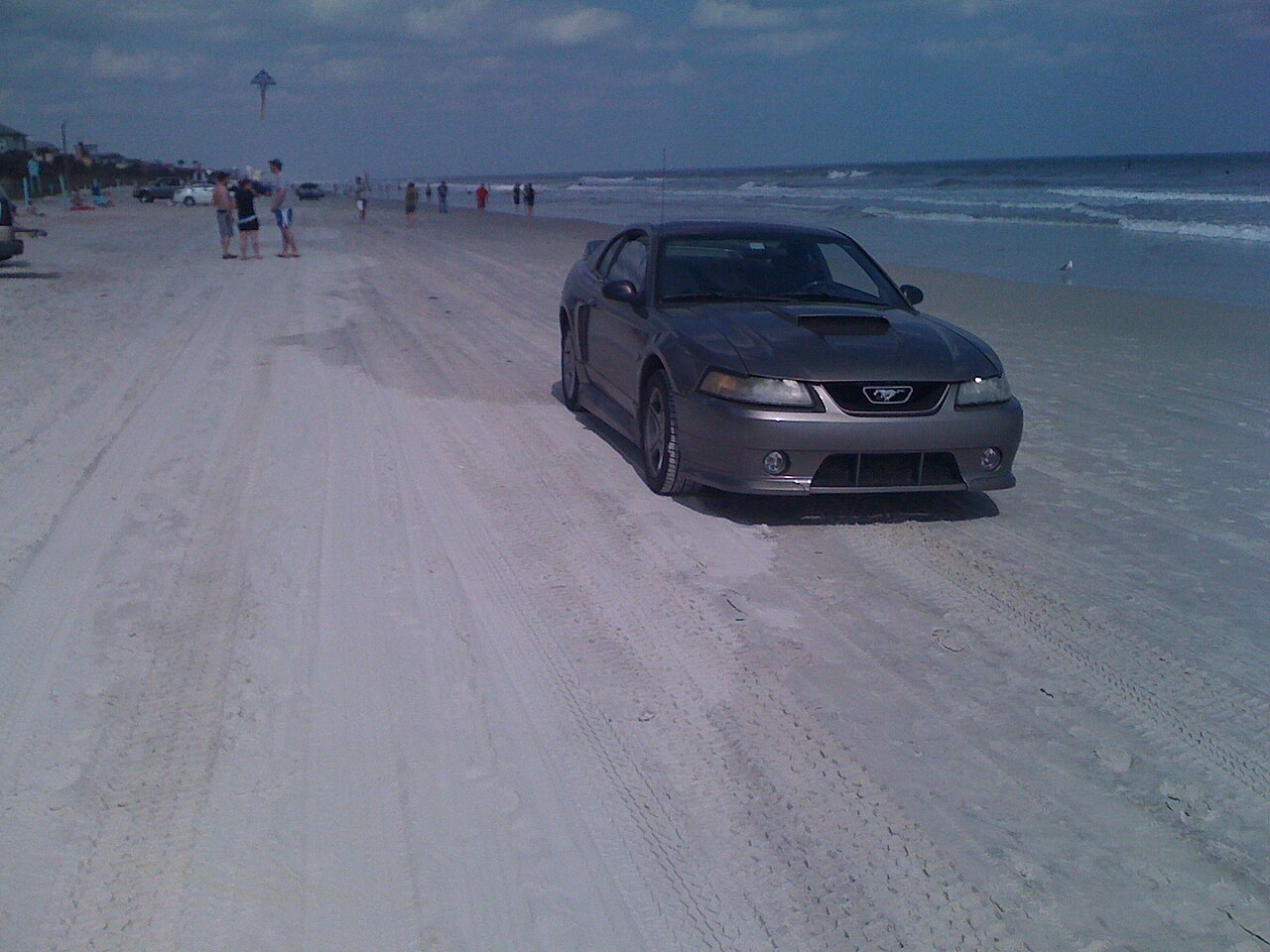
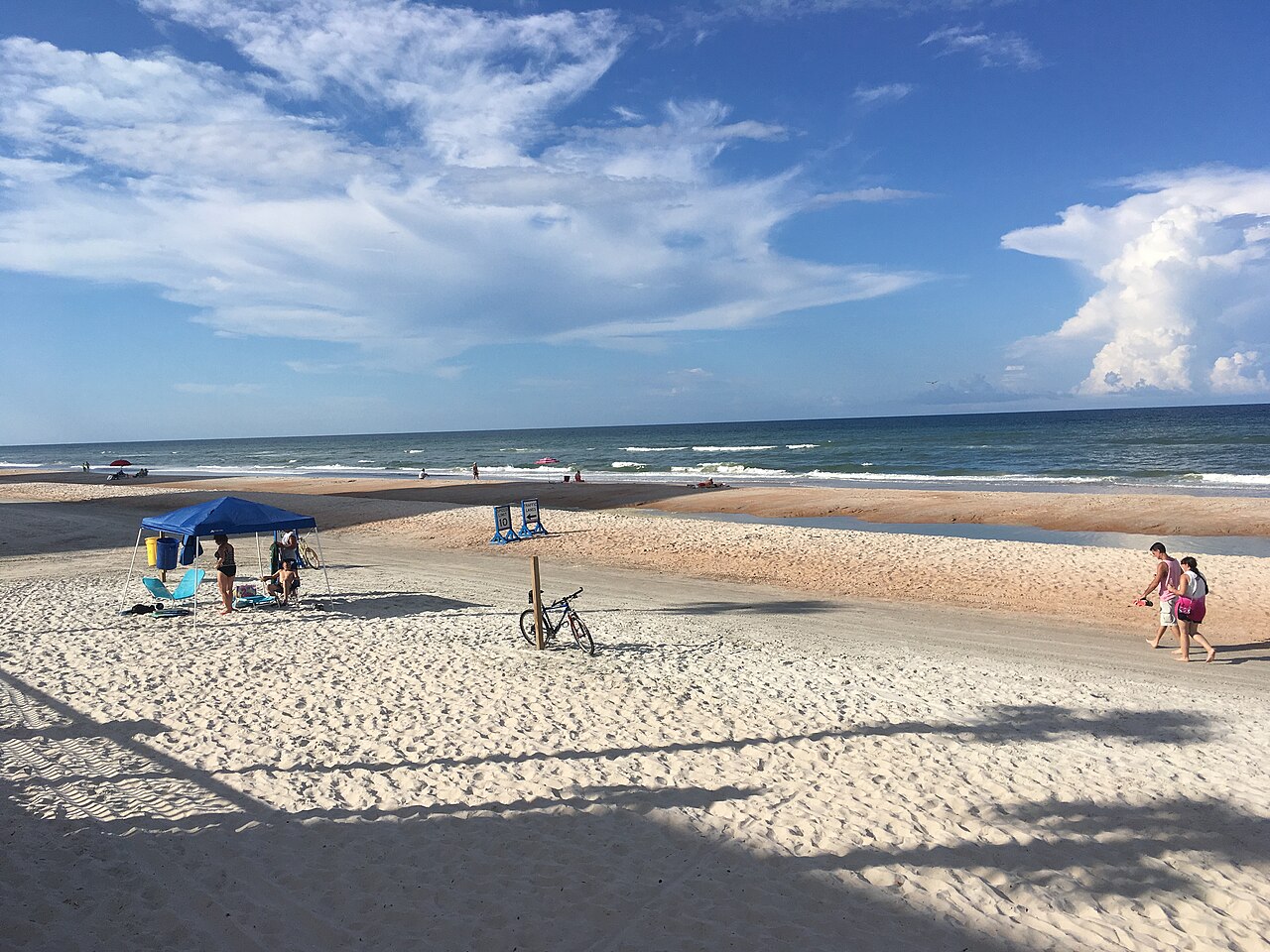
Along Daytona Beach's oceanfront, the wide Atlantic shoreline features snow-white sands packed firm by receding tides. The surface was so flat and hard that early drivers used the beach as a natural proving ground for automobiles, culminating in Malcolm Campbell setting a world land speed mark of 276 miles per hour on the sand in 1935. Two years later, the inaugural Daytona 200 motorcycle race raced directly across a 3.2-mile course that incorporated the beach strand. Today, the city maintains over twenty-three miles of wide public beaches and more than ten waterfront parks, offering endless room for an ocean swim. While the open coast is usually benign, the Atlantic can surprise: in 1992, an unusual rogue wave measuring twenty-eight miles long with a nine-foot crest surged onto the shoreline, causing minor injuries and shoreline property damage before the ocean settled back into its rhythmic surf.
Anchoring the boardwalk area is the vintage Daytona Beach Bandshell, built in 1937 out of native coquina rock with the Atlantic Ocean serving as its dramatic backdrop. The bandshell still welcomes crowds for free outdoor evening concerts, accompanied by weekly fireworks over the water during the summer season. Just down the strand, the Daytona Beach Pier extends out into the surf. Swimmers can head out to the far end to fish without needing a license or sit upstairs at the pier restaurant's rooftop bar, looking out across the Atlantic horizon and down onto the sandy shoreline. Whether tackling the one-mile distance or sprinting across Lake Lloyd in early December, this event blends the rush of America's most famous speedway with the peaceful rhythm of open water.
Sources: Daytona International Speedway · City Island (Daytona Beach) · Daytona Beach Bike Week
Course
Sprint distance swim held in Lake Lloyd, located within the iconic Daytona International Speedway tri-oval track.
1-mile charity swim hosted by Swim Across America in the famous Lake Lloyd at the Daytona International Speedway.
Awards
Note: The 9:15am & 9:25am Sprint races are NOT eligible for awards.
Previous editions
- 2025results
How to get there
Daytona International Airport is a 5-minute drive. Free parking is available via Gate 40 (Williamson Blvd).
SAA Daytona Open Water
Frequently asked questions
- When is SAA Daytona Open Water?
- SAA Daytona Open Water takes place on December 6, 2026.
- What distances does SAA Daytona Open Water offer?
- SAA Daytona Open Water offers 800 m and 1.6 km.
- Where does SAA Daytona Open Water take place?
- SAA Daytona Open Water is a sea swim. Location: Daytona International Speedway, Daytona, Florida, United States.
- How do I register for SAA Daytona Open Water?
- The reference page for registering for SAA Daytona Open Water is https://clashendurance.com/pages/daytona.
Where to stay
Accommodations in Daytona range from high-rise oceanfront resorts to historic boutique hotels along the waterfront near the South Beach Street district. For those preferring proximity to the venue, various campgrounds and RV sites are available on-site at the speedway, allowing for immediate access to the race start. Budget-conscious travelers can find standard hotel chains starting around $120 per night, while premium oceanfront properties or historic boutique stays typically range from $200 to $400 per night during the festival weekend.
Things to do nearby
The weekend offers a mix of local history and active exploration. Visitors can walk through the South Beach Street Historic District to view early 20th-century architecture or visit the site of The Abbey to learn about the city's origins. For active recovery, the area provides opportunities for kayaking and paddleboarding in the calmer sections of the Halifax River, offering a different perspective on the regional ecology. Local dining often features fresh regional seafood, reflecting the coastal culinary heritage of the Florida Atlantic coast.
Swimmers
Similar races


Comments
Transparency: some links on this page (stays, flights, experiences, gear) are affiliate links — if you book or buy through them, Omniathlon may earn a commission from the partner at no extra cost to you. As an Amazon Associate we earn from qualifying purchases.