
LXXIII Travessia Sitges
- Aug 3, 2025
- Last edition date
- Distances from 200m to 2.2km
At a glance
- Last edition date
- August 3, 2025
- Distances
- 200 m · 800 m · 2.2 km
- Where
- Sea · Club Natació Sitges, Sitges, Cataluña, Spain
About the race
The LXXIII Travessia Sitges offers three distinct open water journeys mapped along the sweeping urban beaches, all converging toward a festive common finish line at Playa de la Fragata. Swimmers tackling the main 2,200-meter crossing set out from the soft sands of Playa de las Anquines, navigating along the open Mediterranean sea parallel to the gentle shoreline. Middle-distance participants launch into the bay from Playa de l'Estanyol for an 800-meter swim, while the sprint course covers 200 meters starting from Playa de la Ribera, letting competitors of all levels pull through the clear swell toward the sands of La Fragata.
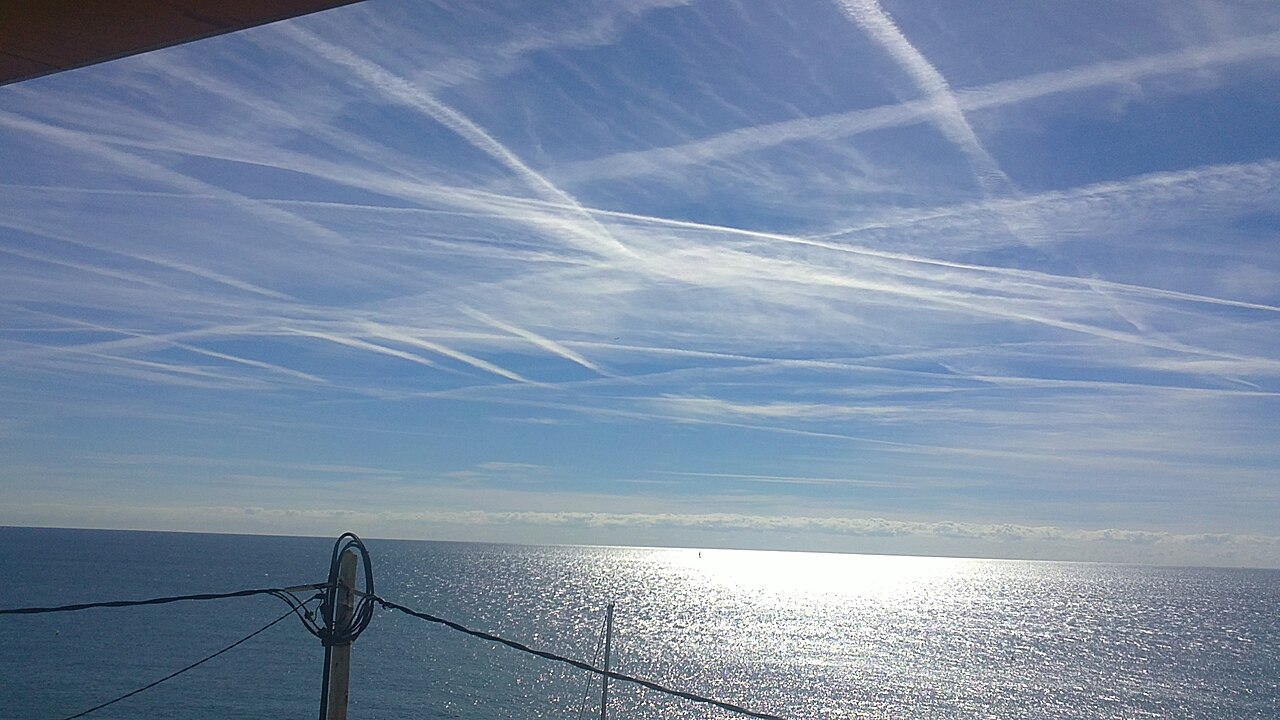
The Travessia in Sitges: circuit, field and beaches
The Travessia de Natació Sitges is included in the official calendar of the Catalan crossings circuit of the Federació Catalana de Natació. The Sitges town council reported that 567 swimmers had entered the 2019 Travessia, 140 more than the year before and the largest field in its history. The Travessia is open both to federated and to non-federated athletes. The Sitges town council's 2019 report names the courses of the Travessia as the Gran, the Mitjana and the Petita. Sitges has 17 beaches, and Sant Sebastià, Fragata, Bassa Rodona, Balmins, Ribera and Aiguadolç are the most popular among them.
The Garraf cliffs and the sea cave of Cova del Gegant
Just beyond the town boundaries, about eight kilometres from the race course, the limestone cliffs of the Garraf Massif rise abruptly from the Mediterranean Sea. Among these coastal formations sits the Cueva del Gegant, an ancient karst sea cave nestled at Punta de les Coves within the massif. Today, the cave's natural marine mouth is permanently flooded by water due to altered coastal currents that were exacerbated by modern marina developments along the shore. Despite this flooded seaward entrance, the cavity extends across a total explored path of sixty meters, featuring a main 22-meter interior length split into two large chambers and twin parallel side galleries that remain accessible to specialists through a fourteen-meter vertical chasm descending from the cliffside above.
This secluded flooded cavern holds an astonishing prehistoric heritage. In its subterranean chambers, archaeologists discovered Neanderthal stone tools and bone fragments dating back at least 50,000 years, including a fossilized Neanderthal mandible dated to 53,000 years ago that provided one of the very few Catalan Paleolithic mitochondrial DNA samples ever recovered. In 1985, specialized rescue excavations were carefully undertaken within the sea cave to systematically recover and preserve these invaluable ancient treasures from the relentless erosive forces of the Mediterranean waves.
The secluded coves of Hombre Muerto and Vallcarca
The varied coastline around Sitges includes seventeen sandy beaches, ranging from bustling urban stretches to tranquil natural coves that remain completely wild. Tucked beneath the rocky crags is Playa del Hombre Muerto, one of the area's three designated nudist havens alongside Platja dels Balmins and Platja d'Aiguadolç. Bound tightly by vertical cliffs, this compact inlet measures only 110 meters in length and ten meters in width, providing a secluded swimming escape framed by dramatic stone walls. Local accounts recall that the striking name of the cove originated when the body of a fallen aviator was washed ashore on its pebbly sands during World War II, embedding wartime coastal lore into the geography of this peaceful cliffside refuge.
About five kilometres from the race area, the coastal cove of Vallcarca presents another captivating chapter in the maritime evolution of the region. Built in 1913 to facilitate the sea transport of industrial cement, the port of Vallcarca became a vital shipping point where twelve million tons of raw limestone blasted from the Garraf Massif were loaded onto vessels to construct the extensive modern harbor of Barcelona. While the industrial dock continues its specialized operational duties, the adjacent natural beach of Vallcarca remains in pristine condition, offering an unvarnished coastal strip where the raw limestone landscape meets the calm Mediterranean water.
The modern promenade: breakwaters, chiringuitos, and coastal estates
The golden ribbon of sand that greets swimmers during the race is itself a triumph of mid-twentieth-century coastal design. Beginning in 1956, the coordinated construction of stone breakwaters and protective marine ports altered the natural sediment dynamics, significantly expanding the surface area of Sitges' sandy waterfront and creating the sweeping, calm swimming bays that define the modern course. Today, the town proudly carries the international Biosphere Destination certification, recognizing its enduring municipal commitment to environmental stewardship, protected habitats, and sustainable coastal tourism practices. This picturesque beachfront is also the birthplace of a quintessential Spanish seaside tradition: the beach bar. It was right here on the Sitges shoreline in 1949 that the term 'chiringuito' was first coined to describe casual seaside drink stands, drawing direct inspiration from a traditional Cuban method of straining freshly brewed coffee.
Further east along the Garraf coast, about eight kilometres from the swim venue, the grand estate of the Bodegas Güell stands as a testament to the maritime trade routes that connected these shores to the wider Atlantic world. Constructed from regional limestone quarried directly from the coastal terrain, the striking building features an open loggia-style porch that looks out across the sea, entered through a porter's lodge guarded by a delicate wrought-iron gate shaped like a traditional fishing net.
Sources: Sitges · Iglesia de San Bartolomé y Santa Tecla
Course
Previous editions
Since 1926
- 2026Sep 12, 2026
How to get there
LXXIII Travessia Sitges
Frequently asked questions
- When was the last edition of LXXIII Travessia Sitges?
- The last edition of LXXIII Travessia Sitges took place on August 3, 2025.
- What distances does LXXIII Travessia Sitges offer?
- LXXIII Travessia Sitges offers 200 m, 800 m, and 2.2 km.
- Where does LXXIII Travessia Sitges take place?
- LXXIII Travessia Sitges is a sea swim. Location: Club Natació Sitges, Sitges, Cataluña, Spain.
Where to stay
Sitges offers a dense selection of lodging, ranging from historic boutique hotels housed in former 'Americano' mansions to modern apartments near the promenade. For a more rugged experience, there are several well-equipped campsites nestled in the foothills of the Garraf Massif just outside the town center. Expect to pay between €120 and €250 per night for a mid-range hotel during the August season, though prices fluctuate significantly based on proximity to the beachfront.
Things to do nearby
Beyond the water, visitors often explore the local Malvasia wine cellars, a heritage dating back to Mediterranean trade links with Monemvasía. The Garraf Massif provides extensive trail networks for trekking, while the coastal caves, such as the site of La Cova del Gegant, offer a glimpse into the area's prehistoric human occupation. Kayaking along the cliffs is a popular way to reach hidden coves inaccessible by road, often followed by local seafood tastings in the historic center.
Swimmers
Other races by this organiser
- LXXIII Travessia nedant de SitgesSitges, ES
Similar races


Comments
Transparency: some links on this page (stays, flights, experiences, gear) are affiliate links — if you book or buy through them, Omniathlon may earn a commission from the partner at no extra cost to you. As an Amazon Associate we earn from qualifying purchases.