
Circuito Maratour 2026 — Mangue Seco
- Jan 31, 2026
- Last edition date
- Distances from 300m to 4km
At a glance
- Last edition date
- January 31, 2026
- Distances
- 300 m · 750 m · 1 km · 1.5 km · 2 km · 3 km · 4 km
- Where
- Sea · Mangue Seco, Sergipe, Brazil
- Entry fee
- 35.2–40 €
- Registration
- circuitomaratour.com.br
About the race
The Circuito Maratour — Mangue Seco is an open water swimming race in the sea around Mangue Seco, right on the coastal border between the states of Sergipe and Bahia in northeastern Brazil. Organized by Maratour, the competition brings athletes to a remote tropical outpost. The Maratour circuit has been staging open water swimming events since 2011, establishing a dedicated following of coastal swimmers. The race is held in late January. Swimmers gather on the beach, studying the tide and watching the surface chop before the start horn sounds. The program is designed to accommodate different levels of experience, offering shorter distances of 300 meters and 750 meters alongside longer endurance courses. The main events feature a 1,500-meter Sprint and a 3,000-meter Challenge.
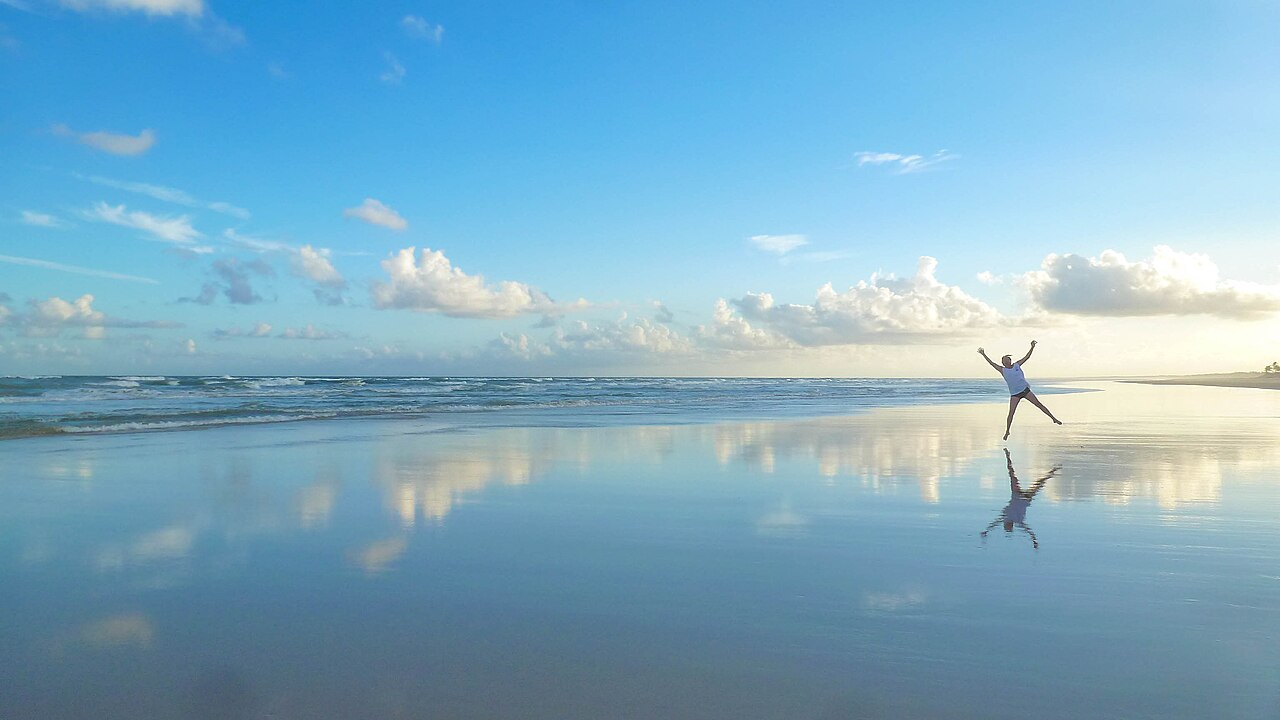
Race day unfolds as a vibrant celebration of endurance and sport along the secluded shoreline. In past editions, more than 150 swimmers have lined up along the water's edge to plunge into the surf together. The pack stretches out quickly as navigators search for sighting buoys against the low skyline of dunes and mangroves. Negotiating the tide, the shifting sandbanks, and the open sea current turns the course into an exhilarating tactical swim from the opening strokes to the final sprint back toward the beach.
Where the Rio Real meets the Atlantic Ocean
The physical arena of the race is defined by the Real River, a major waterway that serves as the natural state border separating Sergipe from Bahia. Standing on the shore before the race, you can feel the distinct tug of fresh water mingling with the maritime swell, creating subtle changes in water density and buoyancy. Just across the river mouth lies Praia do Saco, positioned directly at the confluence where the Piauí and Real rivers discharge together. The geography here creates two completely different water environments along the same strip of sand: the northern section faces the open Atlantic with rolling oceanic surf, while the southern stretch tucks into the protected river estuary. For swimmers, this dual character means that sheltered conditions can turn into lively ocean chop in just a few hundred meters. At Ponta do Saco, the visual drama of this aquatic confluence reaches its peak.
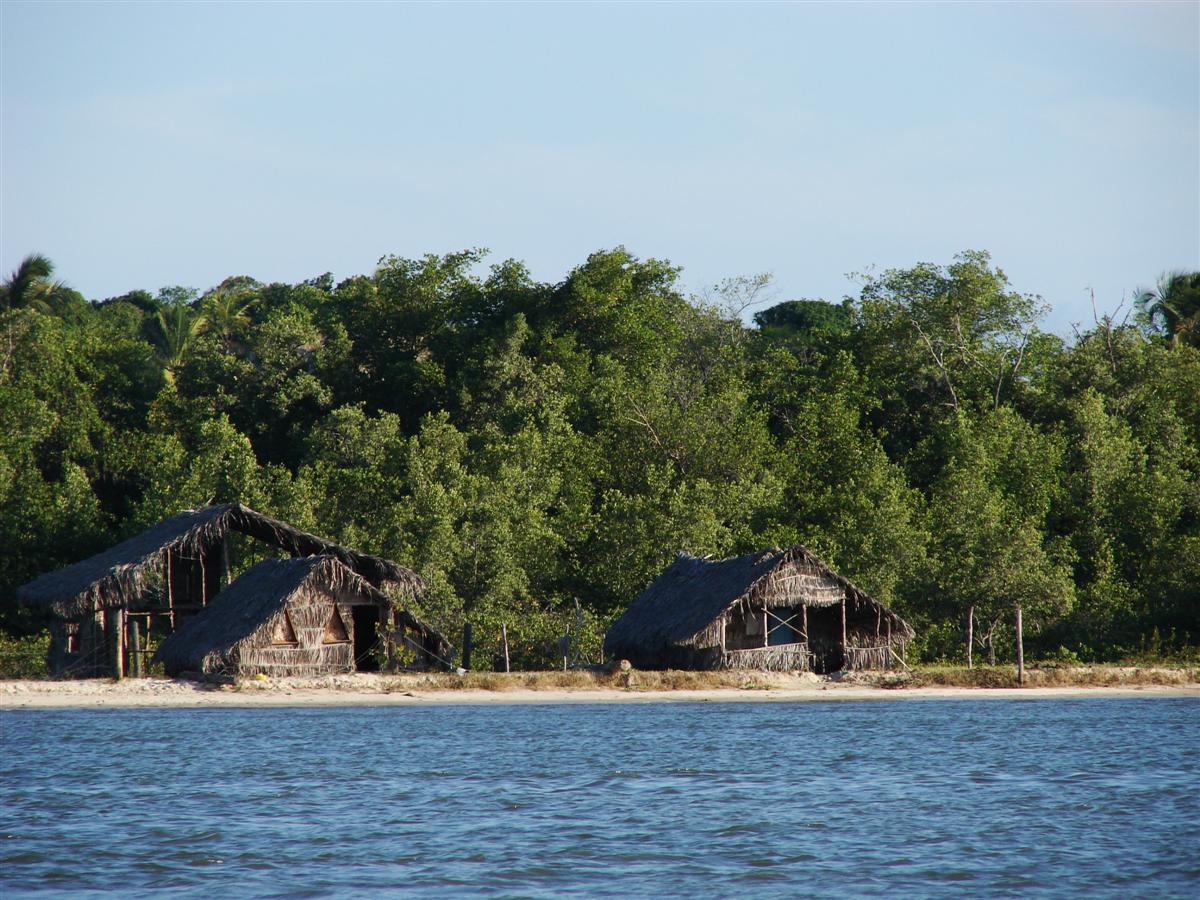
Dunes and mangroves of APA Litoral Sul
The coastline framing the course is protected as part of the Litoral Sul Environmental Protection Area, a reserve established in January 1993 to conserve this delicate coastal wilderness. Thanks to these protections, the shoreline remains untouched by high-rise developments, presenting swimmers with long, sweeping horizons of white sand dunes and dense greenery. As you turn your head to breathe, the backdrop is entirely natural, dominated by rolling dune fields and quiet wetlands rather than concrete promenades. This preserved terrain is an intricate mosaic of shifting sandbars, coastal beaches, and extensive mangrove ecosystems.
Mangue Seco: boat arrivals and fishing life
The base for the event is Mangue Seco, a small and secluded fishing community perched at the northernmost tip of Bahia near the border of Sergipe. The village retains a wonderfully quiet and unhurried rhythm of life. Swimmers and travelers arrive by taking a 15-minute boat crossing from the nearby river ports of Porto do Mato, Terra Caída, or Pontal. The short passage across the Rio Real sets the tone for the entire trip, leaving vehicles behind in favor of wooden skiffs and tidal breezes. Life in the village revolves almost entirely around the tides and the river. Local maritime culture runs deep here, celebrated through spirited sailing boat races and traditional fluvial processions that glide across the wide surface of the Real River.
After completing your race distance, lingering along the sandy streets allows you to witness this enduring relationship between the villagers and the water. You can dry off by the riverbank, watch traditional wooden hulls ride the current, and sample local fresh fish prepared by the community.
The Maringa shipwreck off the Sergipe coastline
The waters off this coast also harbor hidden maritime history beneath the surface. About eleven kilometers away from the race area, the seabed holds the remains of the SS Negley D. Cochran, a vessel later renamed the Maringa that sank on June 16, 1969.
Sources: Mangue Seco · Rio São Francisco mangroves · Real River (Brazil)
Course
Previous editions
Since 2011
How to get there
Circuito Maratour 2026 — Mangue Seco
Frequently asked questions
- When was the last edition of Circuito Maratour 2026 — Mangue Seco?
- The last edition of Circuito Maratour 2026 — Mangue Seco took place on January 31, 2026.
- What distances does Circuito Maratour 2026 — Mangue Seco offer?
- Circuito Maratour 2026 — Mangue Seco offers 300 m, 750 m, 1 km, 1.5 km, 2 km, 3 km, and 4 km.
- How much is the entry fee for Circuito Maratour 2026 — Mangue Seco?
- The entry fee ranges from 35.2 € to 40 €. Registration includes athlete Day Use. Payment via bank transfer or PIX (CNPJ 24.901.343.0001-95).
- Where does Circuito Maratour 2026 — Mangue Seco take place?
- Circuito Maratour 2026 — Mangue Seco is a sea swim. Location: Mangue Seco, Sergipe, Brazil.
- How do I register for Circuito Maratour 2026 — Mangue Seco?
- The reference page for registering for Circuito Maratour 2026 — Mangue Seco is https://www.circuitomaratour.com.br.
Where to stay
Accommodations in Mangue Seco consist primarily of rustic guesthouses and converted traditional fishing cottages, reflecting the village's heritage as an isolated coastal enclave. There are no large-scale resorts here; the visitor experience focuses on small-scale hospitality directly on the sand or near the river landing. You can expect to find simple, comfortable lodging options ranging from $40 to $90 per night, depending on the proximity to the river estuary and the level of amenities offered.
Things to do nearby
The weekend centers on the natural rhythm of the estuary. Beyond the race, visitors typically engage in guided boat tours through the mangrove channels to spot local wildlife or rent kayaks to explore the shallower tributaries that are inaccessible to larger vessels. Trekking across the extensive white sand dunes is a popular activity, often concluding in the village center. For those interested in regional culture, local cooperatives offer demonstrations of traditional fishing techniques, which have been the backbone of the local economy for generations.
Swimmers
Other stages of this series
- Circuito Maratour — Itaparica (novembro)Itaparica, BR
- Circuito Maratour 2026 — Mahi-Mahi (Salvador)Salvador, BR
- Maratour Village ItaparicaItaparica, BR
- UltraMaratour — Itaparica–MutáItaparica, BR
Similar races


Comments
Transparency: some links on this page (stays, flights, experiences, gear) are affiliate links — if you book or buy through them, Omniathlon may earn a commission from the partner at no extra cost to you. As an Amazon Associate we earn from qualifying purchases.